

Your phone is ringing. Your marketing is bringing in leads. So why isn’t your firm signing more clients? Tyson Mutrux sits down with Vaidas Cikotas and Steve Williams from RizeUp Media to talk about what happens between the first inquiry and the signed client. They share examples of unanswered calls, promising cases turned away by mistake, and website inquiries that sat untouched while potential clients moved on.
How Mike’s Firm Eliminates Silos and Serves Clients Better
Subscribe





Watch the YouTube version of this episode HERE
Are you a business owner who is looking to learn about running a more successful firm? In this episode of the Maximum Lawyer Podcast, Tyson interviews Mike Payne, the founder of BOSS Advisors, about his pioneering journey in establishing an alternative business structure (ABS) that combines legal and accounting services.
Mike, a lawyer and CPA, shares his motivations, challenges, and the regulatory landscape in Arizona that allowed him to create this unique firm. Being able to provide clients with multiple services is such a huge benefit to a business owner and can make one look desirable to clients who want more than one thing. Mike shares his insights in marketing to clients who might want multiple services.
For Mike, marketing to these clients involves providing them with services that go hand in hand, like legal and accounting support. Without having to register as a CPA, Mike is able to help business owners with their taxes, provide bookkeeping services and legal services.
For a firm that has 5 different departments all doing different work, it is inevitable that silos will exist. It is easy for people to learn or share knowledge within their own teams. For Mike, it is important to eliminate silos and ensure there is cross collaboration and information sharing. This happens through training that is provided across departments. For example, accountants are provided training from an attorney's perspective on how things work and vice versa. A successful business will ensure to show how all roles affect each other and encourage collaboration.
Listen in to learn more!
Episode Highlights:
- 04:00 Ideal Client Profile
- 10:53 ABS Application Process
- 13:29 Stigma of Working with Lawyers
- 18:53 Annual Re-evaluation for ABS
- 22:30 Global Perspective on ABS
- 30:41 Starting the Firm
- 43:14 Transition to Remote Work
Connect with Mike:
Resources:
- Join the Guild Membership
- Subscribe to the Maximum Lawyer YouTube Channel
- Follow us on Instagram
- Join the Facebook Group
- Follow the Facebook Page
- Follow us on LinkedIn
Transcripts: How Mike’s Firm Eliminates Silos and Serves Clients Better
Tyson Mutrux 00:00:11 So, Mike, I want to start with alternative business structures. You started Boss Advisors, which is at least my bio of you says it is the first in the United States to provide that's been approved and that it's to provide legal, tax and accounting services under one roof. I think that's awesome. What inspired you to do that?
Mike Payne 00:00:31 Yeah, it's a great question. It's a loaded question. And I'll give you a little bit of my background to kind of tell you how I got there. So I'm a lawyer and a CPA, got my CPA license right before I started law school. Had the experience already. So got that license done. Then I started law school. And during law school I worked for Ernst and Young, one of the big four accounting firms doing non-profit work, and then I ended up staying on with them after law school, bounced around a couple of times between law practice and accounting practice. And by the time I knew I was done at big firms, which was about, you know, 2017.
Mike Payne 00:01:03 I realized I had found a niche that I didn't see many people doing, which was kind of wearing both hats, the JD and the CPA hat. And before I started my firm, I talked to probably 5 or 6 other people that were JD CPAs. They all gave me the same advice. They said, choose a hat. Don't try to do both. I said, great, I'm going to try to do both. And so I left EA at the end of 17, and I met with the State Bar and the Arizona Board of Accountancy. And I told them my plan was to open a law firm and an accounting firm and run them side by side. And I looked at what I thought the ethics rules would be that would apply on both a separate set of professional ethics and basically present it to them. And they said, yes, we agree. Here's a couple other things to consider. But overall your idea is going to work, so go forward with it. The biggest things I had to consider at the time we're making sure I had separate, you know, basically running two separate businesses.
Mike Payne 00:01:58 I needed a separate books, separate calendars, separate bank accounts. And it was an administrative nightmare, frankly, to run two firms.
Tyson Mutrux 00:02:05 Was the reasoning behind having two of everything?
Mike Payne 00:02:07 Basically, they want to make sure that we, you know, we're following all the ethics rules. So I want to make sure that we weren't co-mingling funds. I want to make sure that we weren't soliciting accounting clients for legal work. Some of those other, you know, underlying rules and the confidentiality, because the way I described it was I wanted to grow the accounting business like a business. I wanted to scale it and grow it and leverage staff and tools and the law practice I wanted to keep as a solo practice, basically just for convenience. Right. So when I had to send stuff to an attorney, I could send it to myself instead of having to send it to somebody else. And so I ran things that way for about three years, and I was spending so much of my time on the administrative part of running the firms that I was doing a disservice to my team in order to, you know, training them.
Mike Payne 00:02:51 And my business development wasn't where it needed to be. And, you know, my client service, I was always trying to keep up. And so I saw an article somewhere at the end of 2020 that said, Arizona is going to waive the ethics rule that prohibits lawyers from sharing fees with non-lawyers. I think it's 5.1 I can't remember exactly. And so what that meant for me was I could now bring my not. I had a non-lawyer partner who's an accountant in the accounting firm. I could bring him into the law firm as a partner, share fees with him and then combine the practices. And so we were the first ones to apply and be approved as an ABS alternative business structure. And basically it allows me to now take these two disciplines that again, my my vision was always to I wanted to wear both hats. I wanted to be a lawyer and a CPA, because I think that intersection of law and tax is very unique, and that's kind of where I just staked my, my tent and decided that's where I'm going to live is right at that intersection.
Mike Payne 00:03:44 And so now I can do that formally through one entity. I can bring in CPA partners, I can bring in law partners. And I have one of each right now. And we don't have any ethics. You know, it's kind of took all of the ethics minutia out and we can do everything under one roof.
Tyson Mutrux 00:04:00 Yeah, I still don't understand. I mean, I understand there's ethics rules and there must have been something very specific that prevented that from happening before. That seems kind of crazy. That being said. I guess what would your ideal client then be? Because they are. I mean, there is overlap between the two, but they are distinct things. So I wonder what your ideal client is that you're looking for.
Mike Payne 00:04:17 Yeah. So we're looking for, you know, if you get down to the really nitty gritty, what's because there's a difference between what's your ideal client like, who will you work with and won't work with, and who are you spending marketing dollars on?
Tyson Mutrux 00:04:26 Right. And that's really what I'm getting at because how do you market to that person? Because with it being the accountancy firm and then the law firm combined into one.
Tyson Mutrux 00:04:35 So how does the marketing work?
Mike Payne 00:04:36 So so my ideal client is a professional service provider doing, you know, over $1 million in revenue. Ideally, you know, closer to 5 million in revenue. And that needs ongoing services. Right. So tax planning, entity structuring, transactional legal work, estate planning, those type of things that are all they're all typically code based, and they're all things we can do across state lines. So we're not doing any litigation on the accounting side. We're not doing any audits, not anything that would require us to be registered as a CPA firm. So tax Prep, tax planning, CFO services and then transactional legal work, contract review and M&A deals.
Tyson Mutrux 00:05:12 Interesting. So that's so you don't have to register as a CPA firm. You're able to kind of work around that.
Mike Payne 00:05:18 Yeah. It's interesting how you know, just we see this in a lot of different professions now where you've got the traditional path to licensure, say for psychology, for example, to be a psychiatrist or psychologist, you've got to go through college, get a degree, take a test and become licensed, and then you can charge, you know, whatever the market rate is or whatever the insurance reimbursement rate is, whereas somebody else can go become a life coach or a, you know, whatever personal development coach, executive coach, skip, skip, skip out on all the formalities, probably make more money than the licensed professional, have a lot less risk, certainly much less regulation.
Mike Payne 00:05:54 We see the same thing in both these industries, both in accounting and in law. We see paralegals and legal document preparers who are coming up that can make good money, charge, you know, market rates without ever having to step into a school or gotten any sort of credentialing and certainly have no regulation for the most part. And then on the same side, within accountants, you've got bookkeepers and tax preparers. There are paralegal programs, right? But there's no real paralegal credential in most states. It's just kind of a self-proclaimed title, just like a bookkeeper tax preparer is. If you say you're a bookkeeper, you're a bookkeeper, and then you can, you know, if you're good at marketing and good at running a business, you can grow that business without ever having even thought about being a CPA.
Tyson Mutrux 00:06:34 Yeah, in Saint Louis, I know this guy. He's a paralegal that has his own business cards. He's like a criminal defense paralegal, and he's got his own LLC, and he. I can't prove it, but I'm fairly certain he probably gives legal advice, you know, but.
Tyson Mutrux 00:06:49 So you really it's hard to stop people like that. So it's one of the things where I think we all have to deal with it, probably more. So you do more than anything, I'm curious how you manage the firm or do you call it a firm, or do you call it a company? Because I'm curious, how do you like what do you call it?
Mike Payne 00:07:02 Yeah, I call it a firm. So we are registered with the Supreme Court of Arizona as it's a it's a type of law firm. The alternative business structure is. Yeah. And so we are under a lot of the same rules that a traditional law firm would be, ironically. And I've actually written a thesis on this basically and presented it to the state board AB's committee in Arizona. There's very little regulation of the law firms themselves. Most of the regulation efforts are focused on the attorneys themselves. Okay. So in Arizona, the attorney has to register every year, has to pay their dues, has to report their CLE.
Mike Payne 00:07:35 In Arizona, if you want to be a law firm, there's no registration. You just you just report. The next time you file your annual affidavit, you report which law firm you work for, and you report at that point that you're self-employed. But there's there's no annual registration, there's no initial registration, there's no annual registration, and there's no fees to register a law firm in Arizona. There is no registration for a law firm in Arizona. However, as an ABS, you have to pay $6,000 the first year to apply to be an ABS and then $3,000 per year after that. Along with essentially this whole audit process.
Tyson Mutrux 00:08:04 You still have to keep paying it every year.
Mike Payne 00:08:06 Every year. Yeah. And it's it's really interesting the disparity between the regulation of law firms versus, you know, an ABS. Whereas frankly, I could do everything I do, you know, within our abs. I could do it as a traditional law firm. There's nothing that would prohibit me from preparing tax returns or doing bookkeeping through a traditional law firm.
Mike Payne 00:08:24 So our primary reason for being an ABS is the fact that I can have non-lawyer partners, which is a big deal for me. And then and that's that's really the only reason I need to be an ABS. Secondarily, it's a marketing tool for us to be able to to say we're the first ones approved. I just heard a couple of days ago, KPMG, one of the big four accounting firms, just applied to be an ABS in Arizona. This is something I've been predicting. It's going to, you know, we'll be happening across the country. We're going to see we see legislation right now in Utah. They've got the sandbox rules. And then I believe Washington state has some proposed legislation allowing the ABS structure. And we're going to see more and more of the big players, the accounting firms and other ancillary professional service providers that are going to want to start playing in Arizona, because, you know, if you're a licensed as an ABS in Arizona, you can do certain transactional legal work across borders without being licensed there.
Mike Payne 00:09:12 As long as you're not representing a client in front of a tribunal and, you know, basically going to court, there's a lot of stuff you can do.
Tyson Mutrux 00:09:17 It's interesting that they've got that that barrier to entry, the 6000 up front and then 3000. My guess is, and maybe you know better than I do, is that I'm guessing that's just to kind of keep the riff raff out, you know, like there's at a certain number that's just high enough just to make sure that some, you know, a little bitty dinky firm out of another state that is, that's not very organized. They're not going to come in and pay 6000 bucks and then pay 3000 a year to, to get this set up, as my guess.
Mike Payne 00:09:42 Yeah, I think that's right. I think it's a little bit opportunistic in some ways too. I think it was we can we're the first ones to do this. And I applaud the state bar for thinking like business owners. Because if you if you can charge fees and people will pay them, then might as well they and they have costs, you know that they have to cover to administer the service.
Mike Payne 00:09:59 There's a committee and there's people that are all they do is ABS compliance. And so, you know, they have costs that have to be covered too. But I just think the disparity between the regulation of law firms and ABS is pretty interesting.
Tyson Mutrux 00:10:11 The only thing that surprised me about KPMG coming in is that it took so long. I'm surprised it's taking so long for these companies to come in, because it seems like it would be a cash cow for them.
Mike Payne 00:10:20 Yeah, I think there's, those are giant ships that are hard to steer. Right. And so having been at big four firms, I actually interned at KPMG when I was a kid and, and then spent, you know, several years at Ernst and Young. And I know how the decision making process is. They're like their own governments. Right. These are very slow decision making. They're not they're not agile. They can't run like a small firm where you can make a decision and go for it. It's probably been something they've been looking at for years and then finally got, you know, some committee to approve.
Tyson Mutrux 00:10:50 What was the ABS application process like?
Mike Payne 00:10:53 I spent about 50 hours on that process. I was very thorough, and I've actually helped other firms become ABS entities since then. So no, not not waste of time. But I read through every regulation. I read through every page to make sure that we we were going to meet all the requirements because it was so there was no model to follow, right? There was nobody that could tell me how to do this. We were the first ones to apply, and so.
Tyson Mutrux 00:11:13 Were you the first to apply in the entire state, or were you the first ones that combine accountancy and legal?
Mike Payne 00:11:18 So there were two initial applicants. It was us and another firm and the other firm. We sat in front of the Supreme Court together in the initial meeting. We both were approved at the same time. There's this personal injury and so unrelated to what we do completely. And then ours, you know, we're the first ones and might still be the only ones that do tax and law.
Mike Payne 00:11:36 I think there may be another 1 or 2 smaller ones, but I haven't kept up with it since we got our, you know, regulation. I basically just keep up with the annual renewal and haven't spent a lot of time on it since then.
Tyson Mutrux 00:11:47 So from the moment that they said, hey greenlight, you can start submitting applications to the day you submitted it. How much of a gap was. I'm super curious.
Mike Payne 00:11:58 It was basically the fourth quarter of 2020. That's what I did. I spent any extra time I had outside of client work working on this application, reading things, and in January, when the first when the application process opened, I submitted our application and it took us. I think the first committee meeting actually happened in like March. So that's when we were actually approved.
Tyson Mutrux 00:12:16 Oh, wow. So that's not that's not that long. That's a pretty quick no.
Mike Payne 00:12:20 And it was interesting being you know, it was a little bit nobody really knew what to do. Right. So we're sitting in the first meeting and they're like well the rules say this.
Mike Payne 00:12:27 So everybody's just kind of following the rules. And I'll never forget this. One of the committee members, who was the one that actually took our application through. She thanked me for being so thorough in my responses. She said they're going to update the application to include things that I put in there that they didn't think that should, you know, they didn't think of to put in.
Tyson Mutrux 00:12:45 You ruined it for everybody. Yeah. Yeah, yeah.
Mike Payne 00:12:48 Keep that.
Tyson Mutrux 00:12:48 Bar high. It's right. Well, it'll help. It'll help protect you too. That's. That's really good. So what what sorts of things were they. Were they looking for?
Mike Payne 00:12:58 So number one is the one of the initiatives of the program is providing, access additional access to lawyers for the the population. Access to justice really is I think it's the term they use. And so my job was to take these kind of stated initiatives and take our situation and, you know, basically justify how the work that we were doing by bringing legal and accounting under one roof would provide additional access to lawyers that the general public didn't generally enjoy.
Mike Payne 00:13:29 I think that's that's come to fruition. And I think one of the reasons is there is a stigma, for the general public working with lawyers, there's a stigma against that. Right. And so because normally you only work with a lawyer when you know, things have hit the fan, right, in divorce or a personal injury or some other, you know, bad circumstance. We're trying to turn that on its head to where the public sees working with lawyers as a benefit and as a proactive. Specifically, business owners look at working with lawyers as a proactive step they can take to make sure they're structured properly, that they're proactively making sure they don't get in trouble, and that their structure, you know, they are doing things efficiently, they've protect themselves against liability and things like that. And so what we found is that because everybody, you know, every business owner needs an accountant is almost unequivocally. And so every every business owner has a bookkeeper. Most have tax preparers. That's just kind of cost of doing business.
Mike Payne 00:14:22 But most business owners don't have a lawyer that they refer to regularly that knows their situation. And so we've been able to approach our tax and accounting clients and basically tell them, hey, we've got lawyers on staff. Every time a potential red flag pops up, every time a potential issue pops up, we can just bring somebody in from down the hall and say, hey, let's just take a quick look at this. There's no obligation, but let's just get this guy's opinion and see if if maybe you have a legal issue that needs to be vetted out here. Sometimes they do. And sometimes the attorney will say, no, everything's fine. You guys are doing everything right. And it'll, you know, if nothing else, it provides some some assurance. In most situations, there is some legal step that needs to happen, whether it's an agreement that needs to be put into place or a, you know, some state filing that needs to be made. And so then we've, you know, at a very low pressure situation, have introduced them to a lawyer who can help them without them having to go, you know, through the trouble of engaging a separate firm, explain the circumstances, trying to interpret what the CPA said.
Mike Payne 00:15:20 And and then, you know, being the go between between the CPA and the lawyer, that all goes away. And we have direct communication and we even do this is there's a lot of times we'll get referrals from other accounting firms and other law firms. we'll do this in a way where if if there's a lawyer that refers to their business counsel for a company and they were for the accounting work to us, We'll work with them, you know, side by side and make sure that we're meeting with them every quarter or every year or whatever, so that the client's still getting the perspective of the accountant and the lawyer, even if we're not serving in both roles.
Tyson Mutrux 00:15:52 So I think it's an interesting idea. I think it's a great concept. So you, you, you did the research, you pay the filing fee, you submit the application that you put together, other documents that they ask you for that go with the application.
Mike Payne 00:16:05 Yeah, a lot of it is just self certifying things.
Tyson Mutrux 00:16:07 But like what.
Mike Payne 00:16:08 So they want to make sure that you have a compliance attorney for example. So it's got to be somebody at top my head I believe it's 10%. They own 10% of the abs. They have to agree to, you know, basically make sure that the firm, with regard to the legal services it's providing, is complying with all of the rules applicable to attorneys. Right. And so that's where there's this interesting gray area where, you know, we we provide non-legal services. And so the question arises is whether those services are subject to the legal restrictions. So say like trust accounts. For example, if we're collecting fees for tax planning, does that mean that we have to put it into a trust account? Right. And do we have the same confidentiality? A lot of the a lot of confidentiality rules between the county profession and legal profession are similar. But, you know, certainly attorney client privilege, you know, doesn't apply in every situation. So we kind of have to what we've done, our approach has been to take the more stringent rule, whether it's under the rules of professional conduct or under the AICPA or circular 230 rules, whatever is more stringent.
Mike Payne 00:17:10 That's what we apply for ourselves and we play it across the board.
Tyson Mutrux 00:17:13 So it's kind of a when in doubt, put it in the trust account. Yeah. Yeah. Exactly. Yeah.
Mike Payne 00:17:17 That's right.
Tyson Mutrux 00:17:18 I did not mean to actually whenever I was thinking about it was like I didn't think it would be be a rhyme. But that's, that's something I think that's it's probably sound advice just because you don't want to. I mean, what's it going to hurt? You know, I guess I guess you don't want you can't put money in the trust account that shouldn't be there. So like there is a there's a consequence to that. But you have a pretty good excuse for that. So you you go through, you submit the documentation and is there like a back and forth between the date that you submit everything and then the the actual hearing date is so like they're asking for. Yeah, they ask.
Mike Payne 00:17:49 Some clarifying questions. Certainly between those two times you have a representative at the state, you know, on the ABS committee who will process your application and present you to the board.
Mike Payne 00:17:58 Oh, interesting. And so she, our representative, asked us a few clarifying questions. We had done a pretty thorough job of applying, so she didn't have a lot of questions.
Tyson Mutrux 00:18:07 And Claire, to clarify. So there's a separate committee and then there's all. And so you have someone that from that committee that represents you to the board. And then you have a separate board that decides on whether or not you're approved.
Mike Payne 00:18:18 Well, the ABS committee is the is the board I suppose.
Tyson Mutrux 00:18:21 Okay.
Mike Payne 00:18:21 Gotcha. Yeah. So within the ABS committee, one of the roles or maybe more than one is, is reviewing applications. And that's the person that kind of presents you to the ABS committee for approval.
Tyson Mutrux 00:18:31 Gotcha. Are these are these full time employees of the state?
Mike Payne 00:18:35 I've wondered the same thing. Yes. They are full time employees of the state. I don't believe they're full time employees of the ABS program, though, which I think is which I think is why some of the fees, I think some of the fees goes towards their salaries.
Tyson Mutrux 00:18:47 I'm guessing whenever you submit that 3000 every year, are you re-evaluated at that time?
Mike Payne 00:18:53 You are. Yes. They they the application process is a lot easier. It's probably takes me, you know, a couple hours. And basically what it's asking is things that you would expect. Have there been any significant changes in ownership or purpose, things like that. But then it also basically asks you to reaffirm that you're meeting the committee's organizational objectives. So providing access to justice and things like that.
Tyson Mutrux 00:19:15 If someone is considering doing it, I mean, are there things that they should look out for some red flags? Any advice you'd give to to people that are considering it?
Mike Payne 00:19:24 Yeah, I would say whoever's doing this, if you're getting whether you're doing the research yourself or getting advice, you're talking with somebody who's sat through some of these meetings before. And if you're if you're applying for the first time, slow down a little bit. Make it a point to go on the ABS committee website and attend a few meetings just so you can see what they're looking for.
Mike Payne 00:19:42 Read the applications that have been submitted. You know, get it? You can get a feel for what other types of organizations have been approved and which ones have not been approved as ABS structures. And so if you, you know, like like with a lot of things, a lot of times we think we have novel ideas, but in reality somebody's done it before us. I find that to be the case here too is go, go figure out what other ABS structures there are out there and try to model one, because if you model one that's already done and have been approved, you're most likely going to be approved as well.
Tyson Mutrux 00:20:12 So is it all publicly available online? Yep. Wow. That's so you can see everyone that's that's been declined. Everyone that's approved. You just download the PDF I guess. Yeah. Wow. That's that's I had no idea that that was a thing. What what percentage of applicants are denied?
Mike Payne 00:20:27 I don't think it's a very high percentage. I don't know, off the top of my head, but certainly there are some that have been denied.
Tyson Mutrux 00:20:32 Are they capping it at all with the number of abs?
Mike Payne 00:20:35 Not that I've seen. There have been much fewer applicants than I would have expected. I don't know how many there are active now. I think it's, but I think it's still less than 100.
Tyson Mutrux 00:20:44 Why do you think that is?
Mike Payne 00:20:45 I think people find alternative ways to to meet their same goals without formally, you know, partnering with lawyers in these things. There's certainly all sorts of referral relationships and informal business partnerships that you can get into that accomplish the same goals without the cost. And and the additional I think, I think part of it is the additional regulation, frankly, because you can do a lot of the same things through a contract that's not publicly visible and accomplish the same objectives for us. Like I said, we don't necessarily need this because we could operate as two separate firms. But the convenience of having my business partner, who's not a lawyer, be my formal business partner, and then the marketing part of it is very convenient.
Tyson Mutrux 00:21:25 So, I mean, that's why it would make sense for a law firm to do it, because you can bring in that outside money if that, which is nice. That is I mean, so I think for anyone that's there wondering why a law firm would do it, because you could just get licensed in the state, or you could you could hire someone that is an Arizona licensed attorney. But if you want to bring that outside money, that's that's pretty handy. Yeah.
Mike Payne 00:21:45 And that's what the most of the ones I've seen are for specifically for that reason, p firms that want to bring in an outside financier without having to go through all the red tape. The more interesting aspect to me is bringing in the outside talent and expanding legal services, expanding your services to go beyond, you know, traditional legal services. So business consultants, for example, there's plenty of people who have, you know, been real estate developers and done other things in business, you know, taking companies public, things like that, that they don't.
Mike Payne 00:22:15 It's not law practice at all, but it's valuable services that a law firm can tack on to what they do, you know, expand their scope of operations and services.
Tyson Mutrux 00:22:24 Given the the limited adoption. Do you think it's going to be something that is going to spread across the country?
Mike Payne 00:22:30 I still think it is. Yes. And the reason I say that primarily is because this is very commonplace outside the US, in places like the UK, Australia, Canada. Some of the biggest law firms outside the US are what we consider the big four accounting firms.
Tyson Mutrux 00:22:44 I'm going to shift gears with you a little bit. Tell me what I'll tell you about the ADHD, if you don't mind. We talk about that.
Mike Payne 00:22:52 All day long.
Tyson Mutrux 00:22:53 Okay. Because that is interesting. Because that one of the things you listed as your personal accomplishments that you're the most proud of is being able to, I guess, overcome that. And so let's, let's hear I think that would be important for people to hear.
Mike Payne 00:23:06 Yeah.
Mike Payne 00:23:06 I think it's been an interesting experience for me. I, I identify as neurodivergent. Those are all new terms for me. Right?
Tyson Mutrux 00:23:13 I don't know what that means.
Mike Payne 00:23:13 Neurodivergent. Basically, my brain doesn't work the way everybody else's brains work. Right. But I think there's a lot of people who do resonate with that as a kid and as a college student, as a law student, even as a young professional, everything was working properly, right? I got good grades. I was an Eagle Scout. I served a church mission. I got scholarships to college, I got scholarships to law school, passed my CPA exams, passed my bar exams. All the first attempt. Really didn't even have to work that hard for it, right? I was top 10% of my class and that all came very naturally for me. About the time I started my firm, I started to notice that in order to function, I needed more and more caffeine. And I needed, you know, to take more walks.
Mike Payne 00:23:53 And I needed to sleep more, and I needed to start making these changes that were like, I've never needed this before. But I figured, okay, I'm in my 30s now, and you know, this is what happens when you get in your mid 30s. But as that, as that leveled up and progressed, I kind of started thinking there's something wrong. Like I'm not just being lazy, I'm not just getting distracted. There's something that's blocking my brain from actually, like functioning properly. And so I started doing a lot of research online, and I took an ADHD test and I like knocked it off the charts like 100%, you know, seemed to qualify. So I went and met with a psychiatrist and they're like, yep, absolutely. You have ADHD. We'll get you on some Adderall and and some meds and, you know, make some changes in your life. And this should help. And it has helped tremendously. It doesn't you know, I can't say the symptoms are always gone, but I can tell you that if I go days or weeks without using my meds, I started I started to get really creative, but very, you know, very unproductive in terms of actually getting things done.
Mike Payne 00:24:51 I start a lot of things and don't finish a lot of things.
Tyson Mutrux 00:24:53 So that's interesting about the creativity. So let's stay on that for a second. Are you ever concerned that that it's removing the the creativity and to a point where it's detrimental on you or the business.
Mike Payne 00:25:04 So the way my brain works, it doesn't operate naturally in a structured way anymore. Right? I can't say that was always the case. This is definitely adult adult onset ADHD. I have to surround myself with systems and processes and, you know, people, personnel that keep my keep me in line, that basically keep me structured. Right. So if you look at my calendar, I have time blocked off on a daily basis to do creative things, to write, you know, write on LinkedIn, for example, to do podcasts to do think about the firm and kind of work on the firm. And then I have time where it's specifically, you know, to clear email. And I do that 30 minutes a day, twice a day.
Mike Payne 00:25:41 And that's the only time I spend on email.
Tyson Mutrux 00:25:43 Do you have anyone that like I have an executive assistant. So if I'm not, let's say that I'm not doing some of the things that I'm supposed to be doing on my calendar. I get kind of a nudge, a reminder, you know, do you have anyone else that works for you that that helps give you that nudge?
Mike Payne 00:25:57 Yeah, and that's probably been one of the best things I've done for myself and for the business is to hire an executive assistant to manage my email and my calendar. And she she basically manages my task flow. I told her when she started and I've had an executive assistant, this is my second one for about four, 4 or 5 years now. I told her when she started, Judy, your job is to tell me what the priority is, tell me what to work on. I want to feel like an employee of my own business in some ways, because if I don't have somebody telling me what the highest priority thing is, I'll maybe work on something that's like in what I believe is important but not urgent.
Mike Payne 00:26:31 And there may be something that is like pounding on a door that I just completely disregard because I want to work on the thing that makes me feel good, that gives me dopamine, right?
Tyson Mutrux 00:26:39 It's interesting what you said about essentially wanting to be an employee of your firm, because I hear so many people saying the absolute opposite. They don't want a job, they want to own the company or own the firm. And I, I do I do find that interesting. Do you think maybe some of the things that that need being done should just be done by maybe other people instead of you?
Mike Payne 00:26:59 Certainly. That's always the battle is allocating my time in so that I'm doing the things that are most important to the firm. But, you know, I don't always get away with that. And, you know, sometimes, frankly, balls get dropped and I've got to clean them up. Right. And that's the I'm the only JDC CPA in our firm. There's about 12 of us total. I'm the only one that has both professions.
Mike Payne 00:27:18 And so I can do everything that the firm does. But that doesn't mean I should do everything right. And so I, I find that the more the firm grows and the more you know, the fewer hats I wear, the more I want to take off the hat of practitioner and give that to somebody who's really good, a really good transactional attorney or good tax planner, and just focus on strategic, you know, firm level decisions.
Tyson Mutrux 00:27:42 Interesting. I wonder, did you, whenever you were going through the whole process, like learning about the ADHD and all that, did you ever do you ever get blood tested? Yeah, absolutely. Because the reason why I asked that is I was noticing I was getting fatigued last year and when gotten by my thyroid, I was having issues. So I was wondering if you, if you were able to because I don't think you can test ADHD from blood. So was there anything else that you were able to identify? Because the reason why this is important, I think, is like maintaining our health is obviously really, really important whenever we're running our firms.
Tyson Mutrux 00:28:11 Otherwise we can't take care of our people, we can't take care of our firm, can't take care of our families, so I do. Was there anything else you were able to identify that that helped you kind of get back on track?
Mike Payne 00:28:19 I've done blood work regularly over the last few years. I just do it as part of my annual physical. Luckily, it hasn't been anything that's, you know, completely out of place. Just kind of some pointers, like pre-diabetes, for example. You know, I got to that point where I stopped taking care of myself and, and that became a concern. And so I had to start wearing a glucose monitor and making some changes around the way I eat. And you know what I eat and when I eat and things that you wouldn't even consider before.
Tyson Mutrux 00:28:43 So I want to talk more about that stuff, because that is an often thing neglected by legal entrepreneurs. It's, you know, they they're too busy running the firm. They're too busy, you know, doing the work that they neglect themselves.
Tyson Mutrux 00:28:56 So why do you think that is?
Mike Payne 00:28:57 It's a great question. And it's it's actually my my theme this year for 2025 is, is improving my health. And I really like 100%, you know, understand and agree with what you're saying, that if we don't take care of ourselves, we can't take care of anything around us, can't take our families and our firms and and our employees and our clients. I can tell you in my case, and this was kind of all in one, you know, it's right about five, five, seven years ago when I started, before I got diagnosed with ADHD. I noticed my health was slipping in a lot of ways, like. And I felt so much anxiety and, you know, again, separate from ADHD but often very closely related was my anxiety. And so I felt so much anxiety about dropping the ball at work or, you know, with a specific client or, you know, whatever the case might be, cash flow that I would wake up naturally at 5 a.m. and then 4 a.m. and then the 3 a.m., and then some nights I would just lay in bed from 10 to 12.
Mike Payne 00:29:52 Once I once I in my mind, I decided that I wasn't going to be able to sleep. I would just go back to the office and just work on things. And so that's when I stopped exercising regularly, was around Covid, where I kind of, you know, once I got Covid and then my lung capacity wasn't great. And so I stopped running. That's when we, you know, started walking instead of running. And and that's always the first thing to go for me is when you feel stressed is like, I can I can afford to not work out today because if I took that hour back, how much could I get done at the firm? When in reality it's those those small and simple things that stack up over time that that actually improve your health, whether that's, you know, the way you eat on a daily basis, how much water you drink, your sleep, your exercise. None of those in 1 or 2 days is going to kill you. But over the course of years, those will sink you.
Tyson Mutrux 00:30:37 Yeah. When did you start the the accountancy firm and the law firm. What year was that?
Mike Payne 00:30:41 End of 2017.
Tyson Mutrux 00:30:42 So 2017. It sounds like it coincides kind of with the time that you put the health to, to the back seat.
Mike Payne 00:30:48 Yeah. And I don't know what the chicken and the egg was in that situation. But it's it's definitely around the time I started, my firm became an entrepreneur that I did start to let my health slide. Before that, I, you know, I was in good shape. I didn't drink a lot of soda. I didn't eat a lot of fast food. And part of that was a function of being a poor student. Right. So yeah. And then once you get a little money and you, you know, decide I can just eat out, I can just expedite some of these things and, and forego my health. You know, you start to make those decisions and those become habits. And then, you know, before you know it, you eat out more than you eat at home.
Tyson Mutrux 00:31:20 Totally. Did you notice and or have you been able to notice since the beginning whether or not your your health changes have affected your quality of work?
Mike Payne 00:31:29 I would say they effect certainly have the effect of my quality of work. Not in that I don't produce a good work product, but it takes me longer to get to that point. I can't I can't do that very efficiently when I'm not taking care of myself. And at one point I wrote down this little thing that helped me kind of like focus on myself. I wrote down, no one wants to hire a slob. And I stuck that on my monitor. I was like, you got to take care of yourself, because if you don't like, not only is your work product going to suffer, but your overall presentation. And, you know, most of what we do is sales, right? No matter your profession, your sales are going to suffer because no one wants to hire somebody who can't even take care of themselves. No one's going to trust you to take care of their finances and their, you know, legal problems.
Mike Payne 00:32:10 When perception is that you can't even take care of yourself.
Tyson Mutrux 00:32:12 Is that notes still on your computer?
Mike Payne 00:32:14 Yeah it is. And now, authors, no one wants to hire a slob.
Tyson Mutrux 00:32:18 Can I make a suggestion.
Mike Payne 00:32:21 Love that.
Tyson Mutrux 00:32:21 Would you remove it and then say I am a healthy man or whatever you want to say? Because I do think that there is a very negative thought to that, because that means you view yourself as a slob. I'm looking at you. You're not a slob. And I think that changing that perception of yourself might help substantially.
Mike Payne 00:32:40 I love that, yeah.
Tyson Mutrux 00:32:40 That's great. Or I've just made up something, you know, like like instead of, like, I am healthy. Or you can just say I'm healthy, you know, like, whatever it is.
Mike Payne 00:32:48 Yeah. It's interesting to say that I did affirmations recently. I would have put on my bathroom mirror. My first one is I am a healthy person, right. Which is saying the same thing, but in a positive, reaffirming way.
Mike Payne 00:32:58 So 100% agree.
Tyson Mutrux 00:32:59 Yeah. If you if I don't know if you've ever read anything by Jason Silk, but I recommend reading some stuff by Jason Self. He talks a lot about that stuff when it comes to mindset. He's great and I can get you his information later. But that's yeah, I it's one of the things that when you said that, I instantly was like, okay, we got to change that. That's that's something we gotta because you obviously care. You obviously you obviously give a damn. So that's good. That's that's the starting point. Caring and then kind of going from there. But it was funny. I started touching something and then we went in another topic I want to ask you about management of the firm, because you've got the accountancy side and you've got the law firm side. And in my head, managing an accountant is different than managing a lawyer. Like they're different backgrounds, different beasts, you know, completely. Is there a difference in how you manage your people?
Mike Payne 00:33:44 We centralize all of our task management through a tool called carbon with a carbon with a K.
Mike Payne 00:33:50 It's built for accounting firms. It's a workflow system. Right. And the whole purpose of the tool is to make sure that nothing falls through the cracks. It integrates with our email, integrates with our billing, integrates with our, you know, accounting records and with our CRM. And so we've used that as a central tool to make sure that every task that gets completed, every every deliverable that we're engaged to do, has to get tracked in there and has to the status has to be kept up. And so, in a very literal sense. To answer your question, we manage everybody the same way. Everybody has to use that system to so that we have visibility into what's even happening at the firm. Right. And we can filter by client, we can filter by due date. We can filter by assignee. I can see at any point, as long as the tool is being used properly, I can see everything that is due within this week across service lines, whether it's tax, accounting or legal in other ways.
Mike Payne 00:34:41 You have to manage people differently, right? Whether they're lawyers or accountants. And, you know, certainly there's different compliance requirements and different, you know, regulatory issues that come up with with managing a lawyer versus an accountant. But at the end of the day, it's about providing accountability to them. And, you know, we've got different continuing education requirements, certainly, but we have enough overlap in what we do today. Before I came to the session, I led with one of our other business attorneys. I led a session on it within the firm, just we do technical training every month. And this one was all about S Corp. Elections. certifications, qualifications, tax compliance requirements. And that was led by me and our other tax attorney. And so all of our accountants, all of our attorneys, all of our admin were on the call because it's all things that, you know, this is one of those primaries where there are legal implications and there are tax implications, and you can't really distinguish those.
Mike Payne 00:35:35 And so we you know, we do a comprehensive training on everything.
Tyson Mutrux 00:35:38 Training is really, really important. We're at our firm. We're firm firm believers in and training. Do you have scheduled regular trainings. How does your training of your employees work?
Mike Payne 00:35:50 Yeah we do. We haven't always done this, but it was some feedback that I got recently over the last couple of years is that everybody understands the work that has to be done. Everybody, you know, can basically pick up what you give to them and take it to the finish line. But we're not spending enough time collaborating amongst ourselves. And so the training is, you know, maybe, maybe people learn a few things every time we have one of these trainings. But for the most part, people already understand the basic principles of s-corp. Right? If they're if they're a CPA, in practice, they should already understand those things. What they don't understand and what we want to do is, is remove the silo effect from our firm because we have multiple practices.
Mike Payne 00:36:29 Right? We've got bookkeeping, we've got tax, we've got legal, we've got nonprofit, and we've got CFO. So five separate departments that we run, as you know, separately, we track all of our income and expenses separately so that we can see profitability per group. Everything is coded under one of those five classifications. But in reality, what we're trying to do is avoid those being siloed firms. And so this cross training is intended to provide the accountants with an attorney's perspective on how things work and an accountants perspective, you know, providing that to the attorneys on the practical implications of these different, you know, whatever the technical training is about. So it's meant to kind of break down those barriers and break down the walls, because that's certainly one of the things I saw in larger law firms is you may have, you know, ten different lawyers with ten different specialties, and none of them ever learn about the other person's specialty, which is is frankly, you know, it's a disservice to the other attorneys because if they're getting paid on the production and their origination and nobody has, you never have an opportunity to to teach your other attorneys within your firm what you do, what a good client is to you, how you can help their clients, then you're, you know, you're you're wasting an opportunity there.
Tyson Mutrux 00:37:40 I love that I think that's really smart because then they all know how the roles affect each other. I think that's that's really, really smart, especially because they're I mean, they're they can be at times probably drastically different parts of the business. It seems like you've got I mean, quite a good business acumen. Like, like where does that come from. Where did you learn that.
Mike Payne 00:37:58 So thank you. I'm still learning it. I, posted the other day on LinkedIn, somebody asks, you know, how much did your accounting and law degree help you in what you do now? And I would say it certainly helped, you know, with credentialing and kind of got me to where I am. But in terms of the practical advice I give to clients, I would say 60% of the advice I give to clients comes from running my firm. It comes from very practical. I've been through the situation with this retirement plan. I've been through the situation with hiring and firing an employee. I've been through the situation with the bookkeeping not matching up with the tax return or whatever, and so I can provide that advice.
Mike Payne 00:38:32 Not from a book, you know, book smart. This is what I learned in accounting school or law school. But from a very practical this is running a business. This is what you actually need to know. And and by the way, nobody cares about the technically correct answer. They want to know, like under my circumstances, what would you do? And so that's the advice you, you draw from is the more I practice and run a business, the more of the advice that I draw from, you know, from from that experience and not from what I learned in school at all.
Tyson Mutrux 00:39:01 I think that's pretty common. I think a lot of us, we've kind of learned as we're kind of building the ship, which is just how it works sometimes. Do you have any sort of leadership structure like set up for the for the firm.
Mike Payne 00:39:13 We do. We have three partners and then so three partners ones. One is me obviously. And then the other one's a CPA, the other one's a lawyer.
Mike Payne 00:39:20 And then we have a leadership team that includes the partners as well as our we hire a fractional CEO who works with us about, you know, ten hours a week. And then we have a we're hiring our first sales director who's going to be on the leadership team as well. And then we have the director of tax who's on the leadership team. So there's six of us, which is kind of funny because half the firm is on the leadership team, but they're strategic hires. And this is this is meant to get us to the next level. Not we're not structuring for where we are now. We're structuring for where we're trying to be.
Tyson Mutrux 00:39:49 Yeah, I've always found the the CEO, the fractional CEO to be an interesting concept. I understand the fractional CFO. A lot of that is it's a strategy with the money. It's there's a lot with that that you can do by looking at the numbers. So I find it harder to do because you really got to understand the business. So tell me about your experience having a fractional coup and whether or not I want to ask you whether or not you think it's worth it, because that person might listen to this.
Tyson Mutrux 00:40:17 So I'm not going to ask you that, but what is your experience been with the fractional CEO and how long have you had a fractional CEO?
Mike Payne 00:40:24 We've had a fractional CEO for probably about six months. Let's start some some time last summer. This is our second one. first one, it was a short term contract and we had some specific objectives and then ended up finding somebody who was a little bit better fit. He's been great. he focuses on accounting firms that use our specific tech stack. Right. So he's a carbon carbon user. He actually does projects for the carbon company. And so what I find is he's best and it's the best use of our money to have him oversee projects and get him to the point where they can be administered by somebody else. Right. So I'm trying to use him at a strategic level so that, you know, for example, crafting a project he's working on right now is looking at all of our tax prep work. Top to bottom, figuring out which clients fall within the acceptable range of fees, which ones are under that range, which ones may need to be adjusted, which ones you know, frankly, we should part ways with because they're no longer a good fit.
Mike Payne 00:41:22 And then making sure that all of those get assigned into our workflow system and make sure that, you know, every everyone gets assigned to a specific preparer, that we're doing capacity planning and making sure that we're not overcommitting and, you know, overpromising on these that they'll be done throughout the year and then that those clients will be communicated to that, hey, you're going to be extended. We're going to work on your return in March. And then we commit to that. Right. So there's these kind of strategic type initiatives that, once he's set them up properly, they can then be administered by an admin type person. Interesting.
Tyson Mutrux 00:41:56 I mean, do you find that he's got a good understanding of the firm?
Mike Payne 00:41:59 He does. Yeah. And we we brought him in. He's in Texas. Our firm is pretty much remote at this point. There's a couple of us that are old school and like to have an office, but for the most part, everybody works from home and we. And that's actually a separate topic.
Mike Payne 00:42:12 But that's been tremendous for us because we were able to hire nationwide instead of living it ourselves to the Phoenix area. But we brought him in to a firm training in November. He met the entire team we've sat through. I gave it basically gave him full access to our playbook and our systems and said, hey, spend some time, go through our billing system, go through our email system, go through our document management system, really understand, get into the nitty gritty and I'll pay you to do this. I really want you to understand from a very detailed perspective how we do things, and then come back to me with a report and recommendations on how we can, you know, whether big or small changes need to happen. And and then basically, you know, we got to trust that what he comes back with is going to be beneficial for us.
Tyson Mutrux 00:42:56 Yeah. I don't think people understand the the advantage you have when you can hire nationwide. And it really is interesting because once you when you do start to open up the map, the amount of talent you have access to is just so much greater.
Tyson Mutrux 00:43:12 How long have you been doing that?
Mike Payne 00:43:14 So I had my first business partner left about two and a half years ago. It was it coincided with that. And he and I had built this, built out this beautiful building. And it was it was immaculate. It was too much space for us at the time, but it was affordable. And we got a good SBA loan, built it out to our specs, and it was ready for us to grow into. I mean, we had like a soda machine and all this cool stuff there, right? But then when he left, we decided to sell the building. And at that point it just made sense to me. You know, I interviewed everybody on the team. You know, we kind of he took a few people with him. I took a few people with me, and I kind of just got feedback from my team at that point and said, hey, you come into the office pretty much every day. Tell me your experience about that.
Mike Payne 00:43:53 And you do work from home once a week. How productive are you when you're working from home? And really, just like at the end of the day, like, what do you want to do? And pretty much unanimously, the feedback was, I like coming to the office. It's fine, but I can be a lot more effective at home.
Tyson Mutrux 00:44:07 Yeah. It's interesting. We did a Zappos tour in Vegas when we had our mastermind out there, and they talked a lot, a lot about the culture and all the things they had done at the campus to for employees and all kind of stuff. And then Covid happened, and then after that, they invited everyone back and they gave her an option and no one came back. So I do find that interesting that they spend a lot of time on the culture, and they still do, even though it's remote. But people, if given the option, it seems the vast majority will work, will work from home.
Mike Payne 00:44:41 Yeah, and I think one of the challenges for me was I used, for lack of a better term, but in seat time as a gauge as to people's production.
Mike Payne 00:44:50 Right. And in reality, there's a lot of inefficiencies that can happen when you're sitting in an office where you're sitting, you're going to the water cooler, you know, chatting it up. And you know, there's really no correlation between the amount of time in the office and your production. so we had to look through that and use our workflow tool to kind of figure out what metrics should we actually be tracking, and then find a way to track those, no matter where in the world the person was sitting, that's what they were going to be held accountable to. And that's what you know, we do now is we look and that's our primary role of our CEO, is to hold people accountable and track the right metrics, report to us and tell us when things are maybe, you know, not where they should be.
Tyson Mutrux 00:45:30 The button see time. It reminds me of my first boss. I, in as a lawyer, and it was really interesting because me and another associate, he and I would always get there at 7 a.m., we'd get really early, boss wouldn't show up to like nine, but the boss wanted us to have that face time.
Tyson Mutrux 00:45:47 So that button seat time, though. But he he really liked more like the face time. So we were there later, but because we, he and I would go like 7 to 5, we'd go off at five because we got there early sometimes, you know, six, 7 to 6 or whatever. But the boss wanted us there when he was there and so we it was funny because we were like, okay, we'll stay later, but we're not coming in at 7 a.m. then. So we end up working less just because he wanted but and seat time and it really it was more that face time and how he was focusing on the wrong metrics. And it was just so interesting how how some legal entrepreneurs are that way.
Mike Payne 00:46:19 Yeah, I've definitely worked for the face time. I remember working at a firm, I'll say the name of the firm because they've actually gone under since then. It was Jenny Strauss. Okay. Here in Phoenix is a regional firm. And I remember one time it was like 6:30 p.m. I was the same way.
Mike Payne 00:46:34 I would get in the office by like 536 every morning, and it was 6:30 p.m. and I was sitting at the elevator waiting to go down, you know, downtown Phoenix firm. And one of the partners I worked for walked by and he's like, I was like, what does that mean? He's like, it's interesting that you're you're leaving and you don't have your briefcase with you. Like, okay, I'll go get my briefcase I message received.
Tyson Mutrux 00:46:57 Yeah. Okay. Okay. Great. I'll carry a briefcase. Great. That I'm not going to do anything with it when I when I get home. It's such. It's such a terrible way of managing people. It's it does not. They're not focusing on the right behaviors. It's absolutely crazy to me. Speaking of firms going under or splitting, I do want to ask you about the partnership split or whatever you want to call it breakup or see parting of the ways you went through a you and your partner decided to part ways at some point. What was that like?
Mike Payne 00:47:28 It was it was challenging in some ways.
Mike Payne 00:47:30 I'm really glad I went through it because I, you know, my practice is coaching business owners on forming and ending partnerships in a lot of ways, right? Every partnership will end eventually, whether by death, disability or voluntarily. And so having gone through it myself just gave me more ammunition and more practical insight as to how I can, you know, coach and and advise my clients. It was challenging for sure. We had a luckily we had a very well written operating agreement, and so we didn't have to answer a lot of the questions that, you know came up. They were already answered for us because we had thought through things ahead of time. And so in terms of, you know, splitting clients and, and employees and who would take the name of the business, all that stuff was kind of already thought through. And so then it was just there's an emotional aspect of it. Right? That was probably the most challenging part was the emotional aspect of, you know, hey, feeling like he's abandoning me, right? And, you know, having some of those thoughts and but in reality, like, you know, I was able to kind of go back and be like, all right, well, I started this firm.
Mike Payne 00:48:30 I was on my own. I started with zero clients, and I built it to what it is, and I can do this on my own. And it was just kind of like reaffirming that confidence that it's nice to have a business partner. And we had a great partnership. You know, there's I can't say anything about my business partner. He was awesome for us for the time. It was great. Kind of grew in separate directions and that was okay. And and things terminated. And, and we both are now practicing in the areas that we think are best for us individually.
Tyson Mutrux 00:48:54 Was it an ugly split?
Mike Payne 00:48:55 Not particularly. No. I've seen much uglier. No. We remain friends and, you know, we keep in contact. And he's moved out of the state. He moved actually moved across the country. So we're not you know, both of us run our practices nationally. And he's just focused on tax only. He doesn't do a lot of the other things that we do. So there's not a lot of even, you know, overlap between our practice areas anymore.
Tyson Mutrux 00:49:16 With hindsight, was there anything about the operating agreement you would have changed?
Mike Payne 00:49:20 Yeah, that's a good question. I would have put in more specific language around the buyout formula, just because that was something we had to negotiate at the time because it wasn't spelled out, you know, very clearly. So what I've learned is and this is me wearing both hats, right? I'm an accountant and a lawyer. When I draft agreements I put in, I put in a addendums with an Excel file that shows exactly how the calculations to be done. And I run 2 or 3 examples so that there's there's no ambiguity from the language of the contract as to how that's to be interpreted. And if both parties agree by words and by numbers how things should be split or you know how, whether it's distributions or allocation of profit and losses or, you know, payment on a on a breakup, if those are if the the words are supported by numbers, there's really no ambiguity. And so that's something I started doing after my partnership breakup is let's let's get really nitty gritty with your contracts and make sure there's no room for interpretation here.
Tyson Mutrux 00:50:18 I think it's great advice if you were to go back at the beginning whenever you form the partnership. Again, this is with the benefit of hindsight. Was it worth going through it for the things you learned, or would you have not done it?
Mike Payne 00:50:32 I wouldn't have done anything differently. Yeah, I learned a lot from him, both as a person and as a professional. And so I, you know, we we definitely grew faster and, and more targeted way than I could have done it on my own. And he and I were really good, just like my current business partners. And I have really good complementary skills. That was the same way. I was more of the if you follow like iOS. Yeah, I was more of the visionary and he was more the integrator, and those were our natural roles. And so it worked really well.
Tyson Mutrux 00:50:58 How have you managed that part of things? So if I kind of struggle with the whole concept of I understand what they are and that's all I'm talking about, I struggle with saying there is a visionary, there is an integrator.
Tyson Mutrux 00:51:08 I don't necessarily completely believe in that. I like the whole scaling up model more. It's more of that leadership executive team approach. It's kind of hard to say yes, there's a visionary and then there's the integrator. I when I took the test, I'm in the middle somewhere. So it's I'm kind of one of those weird unicorns if you actually believe in that. I don't. So I do wonder if do you believe in that? Do you think there is like a visionary and an integrator? And if so, how have you dealt with that with the new iteration of the firm that you have?
Mike Payne 00:51:37 In the same way that my ADHD, ADHD test was extremely conclusive, the visionary integrator test was extremely conclusive for me. I'm 100% a visionary. I'm very good at strategic. And this is I see this in client work and in my strengths as a firm owner and and in my personal life, very good at the strategic, high level decision making. At some point I learned an executive executes. So you've got to be able to quick quick on your feet.
Mike Payne 00:52:02 And and so those are my skills when it comes to actually implementing a plan and getting into the nitty gritty details of making sure this gets done initially and then these follow ups happen. And then this third level follow up, I have to pull teeth in order to get myself to think on that level of detail. But I'm very good at the high level. And so to me, I think those that the integrator visionary doesn't necessarily need to define your position within the firm. But when it comes to development of new ideas, I think those are good natural roles to rely on. So I think I probably buy into it more than you do. We don't follow us strictly. I've read scaling up as well, and we probably have some sort of hybrid type. We have a leadership team, you know, it kind of naturally fall into our roles of when it comes to coming up with new ideas. That's usually what naturally happens with me is I bring ideas to the team and then my team will tell me, great idea, let's do it.
Mike Payne 00:52:53 And then they take it from me or they tell me a terrible idea. We have too much going on already. Why don't you focus on getting stuff done that we've already thought about and talked about? And then let's put that one on the table and, you know, and we'll we'll deal with it later.
Tyson Mutrux 00:53:07 It's funny because I think that the people that have just read EOS believe in all that. I think the people that just have read scaling up, just believe in that. And I think that the people that have read both like us, have some sort of there's a variation of the two that that works. It's a melding of the two. And I think that's very funny because that's a very common thing. The people that have read to have picked from both and put together some something that that works for them. That's really interesting when it comes from the visionary standpoint, when it comes to your vision for the firm, what is so if we're looking in ten years, what does it look like in ten years?
Mike Payne 00:53:38 Yeah.
Mike Payne 00:53:39 So very specific objectives. We usually I don't go usually ten years out I find that unrealistic. It's hard. It's hard for me to think that far ahead. I usually think in terms of like 2 or 3 and five years where I want to be like, you know, in terms of numbers, we're on our way to become a $10 million firm. That's that was kind of my goal when I started out, was become a ten, $10 million firm and put my head down until we get there before we consider, you know, what would what would things look like next. But, you know, and I'll answer your question not directly, but over the next five years, you know, my my goal is to start continue taking off all of these extra 27 hats that I started with and just focus on the few things that I do best, right, which is business development and and training my team. Those are the things I enjoy the most. I do the best. That will probably are going to give us the best returns as a firm, and so I'm trying to take off my practitioner hat completely.
Mike Payne 00:54:29 I'm trying to take off, you know, my my business partner that came in, he's a CFO. He runs our fractional CFO team. He took over all the finances and payroll and administration of the firm. So I've been able to take that hat off in the last year. And that's been a nice relief. And so I'm just trying to personally focus on the things that I really enjoy the most. And then, you know, as a firm, you know, I'm really working on putting in department heads who are people that can I can completely hand off that service line to, and that they'll take it and run with it and and grow it. And those are, those are positions where we've done profit shares or other, you know, incentive based compensation for them so that they have some skin in the game. We're not ready to issue equity broadly, but, we can do, you know, this kind of in between incentive based compensation and, and give them some of the profits of, of what they do and also some of the responsibility to manage costs?
Tyson Mutrux 00:55:19 I think your answer is brilliant.
Tyson Mutrux 00:55:21 Whenever you're just focusing on, you know, one hat at a time, removing all the hats, because I think if you're if you are, do that in five years, ten years, I mean your, your firm's going to be in a much better place. I think that that's I think it's a definitely a brilliant answer. I think that's good. I do want to hear more about this, these this compensation and how you're utilizing that, because I think that's something that other other legal entrepreneurs could implement into their firm. So you talk a little bit more about what the things you're doing.
Mike Payne 00:55:48 Yeah, absolutely. I just did a presentation on this at the Intuit conference and got some good feedback from it. And I didn't realize how few other accounting firms and law firms are doing things like this. I'll give credit to a firm called Radix Law here in in Phoenix. Okay. And Andy Keswick, they're someone that, you know, I've he's the one that introduced me to the specific model that we're using now.
Mike Payne 00:56:09 I think it's brilliant. So basically the way that we do this, we don't offer this to our our staff. We offer it to basically the, the service, you know, client client managers and above. And they have to be distinctly able to service clients on their own without, you know, obviously they have me and my business partner for support, but for the most part, they're autonomous in managing their client load. And so the way it works is we figure out a percentage of the gross profit, and we share that with the employees and that there's no base salary that basically just replaces any kind of fixed compensation. And so it works within our firm because most of the work we do is on a subscription basis. And so, for example, a lawyer who manages, you know, say we have this legal subscription, which is a essentially in-house counsel or outsource counsel. They pay us, you know, let's say 1500 bucks a month for that. He can manage 30 clients. That generates, you know, and then that generates the gross profit will reduce that by his compensation, compensation of paralegals.
Mike Payne 00:57:13 Any other indirect costs for like Westlaw or wealth counsel that will tell us the gross profit. And then so that's where we'll base the compensation on. So it's essentially putting him into almost into a contractor role, right where we he's doing most of the work with supervision and with administrative support of the firm. Right. So he doesn't have to send his own engagement letters and, and, you know, manage to account and things like that. But he has the ability to go in and earn, you know, 40 to 50% of the fees that are being billed, net of the costs. And again, that that part is important, that it's not the the gross income, right. It has to be the gross profit because we have to consider.
Tyson Mutrux 00:57:54 Those might not work.
Mike Payne 00:57:55 It might not work. You have to align your incentives right. So we have to align what's important to us with it's important to him. And once those are aligned it's a home run. And we saw we've done this with three of our service lines.
Mike Payne 00:58:07 We're about to do it with the four service lines here. We've seen production go through the roof like basically double in a year when we properly incentivize people.
Tyson Mutrux 00:58:16 So that's interesting. So does that mean that there are. So let's say they can each handle 30 I mean it essentially means that they have a cap right.
Mike Payne 00:58:24 So that's this is where they have autonomy in deciding which costs they want to incur, because it really appeals to appeals to a broad range of practitioners, some that want to operate solo. Right. And those are the ones that want to DIY. Right. They don't necessarily not interested in bringing work in, but they'll do the work all day long, and they can operate solo. And if they want to handle 40 subscribers And 20 M&A deals every year and do it all themselves. They can keep more of it. Whereas somebody who's on the other side of the spectrum and says, hey, I can actually handle 60 clients and I can handle 40 deals if I hire two paralegals to help me.
Mike Payne 00:59:02 And so they're going to make they're going to incur some costs. Right. So it's almost like running a small business within our business. They can decide and we give them the autonomy to decide staffing and tools. So they can they can say, hey, I want to hire a junior attorney so I can handle more work. I'm still going to make money off the gross profit, but I realize I'm going to incur more costs, but I can handle so much more if I if I leverage staff and tools.
Tyson Mutrux 00:59:25 So with that, because this is now I'm getting really fascinated. Or are they paying the junior associates or are you paying them.
Mike Payne 00:59:33 We're paying. We're paying everybody, but we're their compensation is going to be adjusted based on the cost they incur to provide the service. And one of those costs might be staffing.
Tyson Mutrux 00:59:42 So this is, this may not be what you do, but I'm curious like because so what you could do. So let's say that they get for let's say the person on the top gets 50%.
Tyson Mutrux 00:59:51 So so that's the person that's at the very top of their division. And then they bring in a junior associate. So let's say that that person gets paid 40% and 5% gets kicked to to the person at the top, and the other 5% gets kicked back to the boss, right. Which is your boss advisors. Do you do something like that? Because I feel like you could do something like that where like, don't take this the wrong way. It's I think it's more of like financial model. You could set up almost like a pyramid scheme in a way. Right? Yeah. Yeah, yeah. Multi-level. Yeah. It's not a pyramid scheme, but more of like a multi-level marketing. You could set up something like that where, I mean, ultimately you could make a ton of money.
Mike Payne 01:00:28 Yeah. And ultimately, I mean, you see that in traditional law firms as well. I remember working at Jennings with a guy that he was in his 70s. He spent three months a year at in Tahoe skiing and three months a year on the lake.
Tyson Mutrux 01:00:42 Not too bad.
Mike Payne 01:00:43 And he was he build. He told me the most he ever build was 800 hours in one year, and he made more money than anybody else at the firm because of the firm's incentive, basically, that they basically incentivize him for origination. And so he would spend all his time networking and, you know, doing business development. He would send all the work to the other lawyers at the firm. He barely did any of the work himself, but he made it more money than everybody else. And that worked. That worked for the firm firms happy with it because you got a ton of work coming in. They're still making the profit margin they want. And he's he's happy because he just decided to make his money through business development instead of through grinding through billable hours.
Tyson Mutrux 01:01:21 Yeah. So how do you do business development I wonder how what you're doing to to generate the business for for boss advisors.
Mike Payne 01:01:28 Yeah. It's, I'm not doing enough.
Tyson Mutrux 01:01:30 Well, you're wearing 27 hats, so.
Mike Payne 01:01:32 Yeah, it's, it's interesting. It's something I'm learning more and more about. We have not done any formal marketing or advertising campaigns. We haven't done paid ads. We have social media. But that just kind of sits there. The only thing that I do, a couple things that I do proactively that I think have helped a lot. Number one is I post on LinkedIn every day and I'm not strict about that. If I miss a day, I don't beat myself up. Sure. And I try to write to the audience. So my ideal client, like I said before, is professional service providers. And so I write to other lawyers and accountants. And I had a business coach once. He was like, hey, if you're setting your niche, why don't you promote yourself as an attorney for accountants and as an accountant for attorneys? Like it's oh.
Tyson Mutrux 01:02:15 Yeah, that is nice. Yes.
Mike Payne 01:02:16 And so that's why I write. To write. You know, my my kind of the way I write on LinkedIn is kind of a day in the life of a firm owner.
Mike Payne 01:02:22 And, and I get very real. And a lot of times I'll talk about, like, actual things that are happening within the firm. And so that's, that's actually provided a lot of good feedback for me, good networking. But, you know, a lot of client work has come out of that. I probably get 1 or 2 clients a week from LinkedIn alone. And then I also belong to these different communities. So there's an accounting community I belong to that. It's a paid community. And basically they they pay specialists within, you know, within accounting. They pay specialists to meet with their community members and advise them. And so I'm the attorney in residence for that group. And so basically, you know, anytime one of these accountants wants to meet with an attorney and ask high level, broad questions that aren't going to be specifically considered legal advice for them, they can ask general questions, and I can kind of coach them through what you know. That's a that's a line you have to kind of, you know, toe carefully because I don't want to provide legal advice to them without engaged.
Mike Payne 01:03:16 But what actually, for the most part, that turns into paid work anyway. And then there's a couple of groups I'm on that are specifically focused on M&A deals, and we serve basically, I give a presentation every month or two and it's, you know, about the legal side of a business transaction. And these are kind of there's one that's buyer side that they they basically do all the tax planning for business deals. And then they bring us in and and we just educate their clients as to the legal implications of business transactions. And that turns into paid work. And then there's a business broker group we work closely with and financial advisory Group who work closely with that, that we send referrals back and forth. So those are kind of the the big things I do. We are hiring a sales director, so I'm going to hand off part of that torch to him that that's in process in the next two weeks. And we'll have a formal CRM and email marketing campaign and, you know, more social media content outside of what I'm doing personally.
Mike Payne 01:04:13 And so we'll see how that changes things. We're at the point where we we have a ringing telephone and it's never going to stop. And, you know, we've served thousands of clients at this point and the phone will never stop ringing. But the goal is to qualify more and more of those leads to where they're their clients that we want to work with. So we're not just picking up the phone and and regularly saying no, but we're we're attracting and proactively trying to get the clients that are going to be a good fit for us.
Tyson Mutrux 01:04:41 I like it. Throwing a sales person into the mix is going to really let it on fire. I think that that's a smart idea. It's something that we have been we've been talking about in our firm for a while about adding that to the mix. We've we've not done so. So I'm curious to check back in with you in about a year to see how things are going. Last question I have, I'm super curious is why boss advisors?
Mike Payne 01:05:04 Yeah, that's a good question.
Mike Payne 01:05:05 Well, my, I started off as Pain Law and Pain Financial. Those are my two firms. When my first business partner came in, we used his last name, and his last name was a German of German origin. Nobody could pronounce it. Nobody could spell it. And so that was a short lived experiment. And then, you know, we we decided we wanted to rebrand. The primary reason we wanted to rebrand was because I was sick of clients that and potential clients that demanded to work with me personally because it just became a problem because my I was at capacity.
Tyson Mutrux 01:05:39 I can't.
Mike Payne 01:05:39 Scale. I can't scale at all. And so I realized part of the reason is, you know, your name is on the wall. And so they're going to they're going to ask for the, the managing attorney. They're going to ask for the lead accountant. And so we decided that the firm was bigger than us. I think at the time, we had maybe just hit $1 million for the first time.
Mike Payne 01:05:56 And so we decided, you know, we want to rebrand to a fictitious name. We want something that will, you know, basically show that we work with the decision makers within a company. Right. And so I thought of boss and I, you know, I'm trying to get real creative. So I was like, it's got to be an acronym. It's got to be an acronym. Right. So it came up in bosses. It's kind of funny. If you ask anybody within the firm, they'll probably give you a different definition of boss. But the one that we've adopted is business owner Systems and Strategies. And so it's an acronym. We wanted advisors in the the name because we didn't want to limit ourselves to legal or tax or accounting.
Tyson Mutrux 01:06:33 Could be estate planning or not. Estate planning could be financial advising. So yeah okay. So that's going to be in the mix at some point potentially.
Mike Payne 01:06:40 Yeah. Potentially. Right now it's a good referral partnership we have. But but boss you know we we work with the boss the decision maker and.
Mike Payne 01:06:48 Right. And that's what the symbolism that I want to put out there is we help the executives when it comes to legal entity structuring and tax planning will help you make those high level decisions. And so we're we're the boss advisors.
Tyson Mutrux 01:07:01 I like it that that explains why boss is capitalized. Because I had that I had that question too. So I like it I like that how you, thought it through. But I really appreciate you doing this. This is great. I learned a lot from you. And this is, I. I'm hoping you'll be able to listen to this in a year and be like, okay, this sandwich we've grown since we had that last talk, so I'm. I'm hoping we can stay in touch.
Mike Payne 01:07:24 Absolutely. Tyson, thank you for your time.
Tyson Mutrux 01:07:26 Thanks, Mike.
Guild Membership
Meet us in Scottsdale, Arizona! The first quarterly mastermind of 2023 has tickets available! Become a member to purchase your ticket.
Join the MembershipFree Access to Stage 1 of Maximum Lawyer in Minimum Time
Sign Up Today!Customer Reviews
4.9 out of 5

Amy McGarry Law Office, PLl, 05/23/2023
Amy McGarry
I listen to every podcast, Saturday morning shows, HotSeats, etc. The information and ideas I learn from
each one. I may only receive a nugget of information, or feel encouraged that I am not the only one
going through something.
Harlow law office ltd, 04/21/2022
Jennifer Harlow
The podcast and fb group has been life altering. I always felt like I would never know enough to hang my
own shingle and employ people, but here I am, killing it. Lots of actionable steps for working on mindset,
business (some I had to go outside of law to learn) and really gathering attorneys who are willing to
share and lift up others, as opposed to tearing other attorneys down. I first heard about the podcast on
Ernie the Attorneys podcast and how they were doing amazing stuff. And they continue to do so. Now if
we could bring back maxlawcon I’d be over the moon.
Phil from AMEC, 04/17/2022
AMEC 2022
My name is Phil and I just met Dr. Renee Darko at AMEC Conference. Her energy was radiant and inviting; similar to how it is on the show. Drs Nii and Renee Darko are doing amazing
Psychcvb account, 03/02/2022
Yo Nii
Love the show especially first generation or first in family physicians!! Stories of the hard work, bus rides to prerequisite classes etc.. Digging out of school debt then making
Join Our Facebook Group
If you want to discuss current events or ask for help from other thought-provoking legal professionals, join our Facebook. Stay tuned for updates.
Become a MemberYou Might Also Like
Shift Every Owner Needs
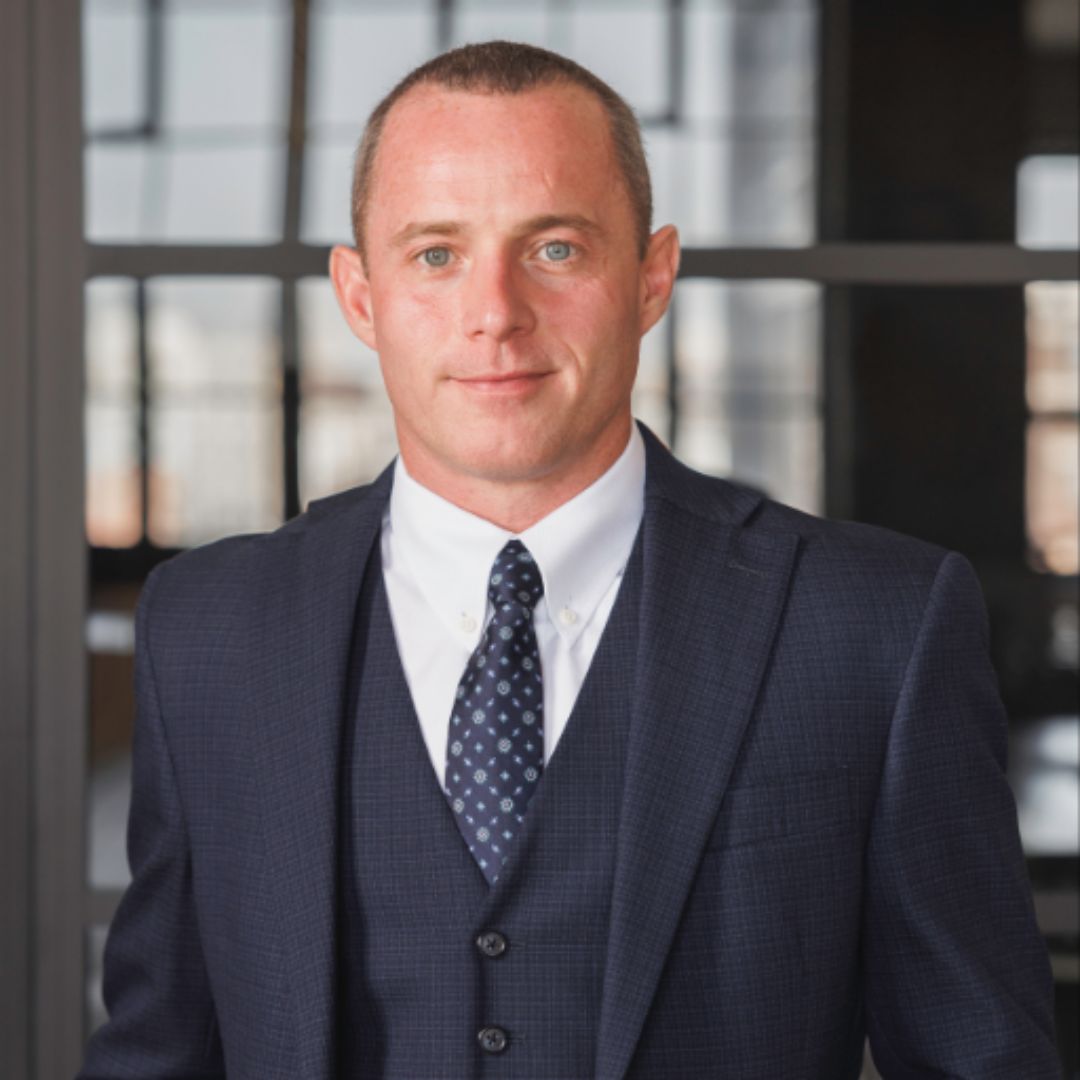 Peace Over Productivity: The Mindset Shift Every Owner Needs
Most law firm owners say they want to be “happy.” But what if that’s the wrong target?
Owners Are Rethinking Growth
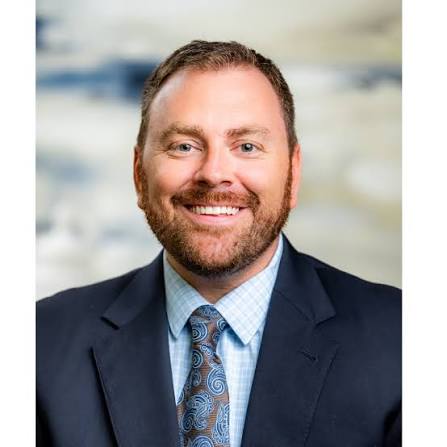 Why Successful Law Firm Owners Are Rethinking Growth
What happens when the pressure of practicing law gets so intense that you crawl under your desk just to get ten minutes of quiet? Tyson Mutrux sits down with Steven Lefkoff, founder of Lefkoff Law, to talk about the moment that changed how Steven thought about work, stress, and running a firm. Steven shares the weekly planning habits that help him manage the chaos, why he prioritizes an in-person team, and how he uses his office as an intentional part of his client experience.

Unlock The Law Firm YouTube Accelerator Playbook
Get the complete, step‑by‑step system we use to turn YouTube into consistent, high‑value clients!
Button: Get Instant Access to the Playbook
Button: Get Instant Access to the Playbook
We only send you awesome stuff =)
Privacy Policy
Privacy Policy
This privacy policy has been compiled to better serve those who are concerned with how their ‘Personally Identifiable Information’ (PII) is being used online. PII, as described in US privacy law and information security, is information that can be used on its own or with other information to identify, contact, or locate a single person, or to identify an individual in context.
Please read our privacy policy carefully to get a clear understanding of how we collect, use, protect or otherwise handle your Personally Identifiable Information in accordance with our website.
What personal information do we collect from the people that visit our blog, website or app?
When ordering or registering on our site, as appropriate, you may be asked to enter your name, email address or other details to help you with your experience.
When do we collect information?
We collect information from you when you register on our site, place an order, subscribe to a newsletter, Use Live Chat, Open a Support Ticket or enter information on our site.
How do we use your information?
We may use the information we collect from you when you register, make a purchase, sign up for our newsletter, respond to a survey or marketing communication, surf the website, or use certain other site features in the following ways:
- To personalize your experience and to allow us to deliver the type of content and product offerings in which you are most interested.
- To improve our website in order to better serve you.
- To allow us to better service you in responding to your customer service requests.
- To quickly process your transactions.
- To send periodic emails regarding your order or other products and services.
- To follow up with them after correspondence (live chat, email or phone inquiries)