

What happens when the pressure of practicing law gets so intense that you crawl under your desk just to get ten minutes of quiet? Tyson Mutrux sits down with Steven Lefkoff, founder of Lefkoff Law, to talk about the moment that changed how Steven thought about work, stress, and running a firm. Steven shares the weekly planning habits that help him manage the chaos, why he prioritizes an in-person team, and how he uses his office as an intentional part of his client experience.
The Legal Tech Shake-Up with Chief Legal Futurist Dr. Cain Elliott
Subscribe





Watch the YouTube version of this episode HERE
Are you a firm owner looking to integrate technology into your business? In this episode, host Tyson has a conversation with Dr. Cain Elliott, the Chief Legal Futurist at Filevine, about the evolving landscape of legal technology. Dr. Elliott discusses his role in developing innovative legal tools, emphasizing the importance of historical trends and user feedback in shaping future advancements.
As technology develops, the legal space can lean on it to create better processes and ways of working. Dr. Elliott shares some insight on how to develop legal tools while meeting client demands. It is important to understand what you want out of a legal tool. Are you looking for a tool that fits within a specific infrastructure? Do you want a tool that creates a better flow for communication or client intake? This has to be understood from both the firm and the technology company that is helping design or manage a tool.
Dr. Elliott delves into the importance of those in the technology space to think about what can be done to raise standards or help outcomes. For most law firms, this is what legal tools and technology are used for. There might be conflicts within firms or even between a firm and a company as ideas are flowing or tools are being created. This is a core value that technology companies need to have as they go through the process of developing legal tools.
Listen in to learn more!
Episode Highlights:
- 03:48 Document Assembly Tool Experience
- 10:40 Balancing Client Demands and Tech Feasibility
- 13:39 Challenges in Building Future Tech
- 28:18 Understanding Database Limitations
- 33:20 Capturing Team Ideas
- 37:53 The Challenges of Email Communication
- 54:51 Vulnerability in Legal Tech
- 59:59 Future of Legal Tech
Connect with Dr. Cain Elliott:
Resources:
- Join the Guild Membership
- Subscribe to the Maximum Lawyer YouTube Channel
- Follow us on Instagram
- Join the Facebook Group
- Follow the Facebook Page
- Follow us on LinkedIn
Transcripts: The Legal Tech Shake-Up with Chief Legal Futurist Dr. Cain Elliott
Speaker 1 00:00:02 This is maximum lawyer with your host, Tyson Matrix.
Tyson Mutrux 00:00:11 So, Cain, I've got a quote from Peter Drucker. It's the best way to predict the future is to create it. And I think this is a really perfect quote to start with when it comes to you, because you are the chief legal futurist at five nine. And so I wonder what your what that quote means to you. The best way to predict the future is to create it.
Cain Elliott 00:00:34 So for what we do, I think that if you're working in technology, the best way you can figure out what the future is going to be is certainly by building it and helping to shape how it's going to be built. I think what's most interesting for myself and my team is that what I like to say is that now pixels and code are equally as cheap. So what that means is that not only can you work on building the future, but you can work on building it much faster and bring it there much quicker. But I will say, in my own work, I tend to spend a lot of time thinking about historical trends.
Cain Elliott 00:01:12 When thinking about what to build for that future. I think that's really important, particularly in a field like law. All of us come in with a lot of training, baggage, other things that that we're bringing to the fore, whether it's on the technology side or you're in a firm practicing or in a company as corporate counsel, whatever it is you're doing, everybody in law has a lot of pretty intense opinions about things, and those are usually shaped by some long historical trends. So I try to take those into account as well. But it's a really fun time to be building and to be building the future.
Tyson Mutrux 00:01:47 Give me examples, some historical trends that you look at because that's interesting to me.
Cain Elliott 00:01:51 Yeah. So when I think about things like when people ask me about why I'm so interested in the manufacture of our tooling. And what I mean by that is something like. Why spend so much time working on something like our document assembly tool? Why are you not that, you know, excited about how far you could take word for me, that's something like go back to earliest examples of human writing in the West and Mesopotamia, and look at people literally inventing writing in order to create contracts.
Cain Elliott 00:02:21 Yeah, right. We will invent the written word in order to make legal documents. And I think you've got to go all the way from there up to what we have now. And then I also ask myself questions like, why is it that myself or someone in the field would have a preference for paper rather than a PDF? Maybe the answer isn't just that people are being stubborn in their ways, but maybe the answer is we haven't created something that's as efficient as that. And maybe a, you know, a PDF isn't that much better than a clay tablet. The example I would give to on on that same theme is. So after the printing press emerges in Europe for hundreds of years, people spend time doing things like putting wax on the paper, smearing imperfections into it, and you think about, you know, why would you take the energy, time, resources, the investment into doing something like that? And it's because it's giving you some particular feeling that matches a previous experience you've had. So sometimes when we build things that are quite futuristic, but people aren't adopting or wanting to use them, the answer could be, well, the users just aren't there yet.
Cain Elliott 00:03:29 But a lot of times it's just the tech hasn't caught up to the past, if that makes sense.
Tyson Mutrux 00:03:33 Yeah, and it completely does give me an example of something that one's done, that you've connected those where it's you're connecting the past to the future, and you're trying to have that overlap in a way where people are going to want to adopt it.
Cain Elliott 00:03:48 So for me, I think that one of the experiences that's been Really exciting was to watch with. I'll just stay with our document assembly tool on that to try to give the experience of something that's interactive, right? That relates back to people's data in a way that's useful, but then also trying to figure out the ways that people actually edit or work with documents. So my favorite example on this one, it's a small thing, but major pet peeve that that I saw and other people have been in practicing life would have seen. So I was always very annoyed by the concept of check in checkout with a digital document. The reason I found that really obnoxious was the idea of if you go to a filing cabinet and grab your read well right and get your file out, nobody else is going to mess with the file at the same time.
Cain Elliott 00:04:36 So it seemed like, you know, there's a certain efficiency in everyone having access to the document at the same time, but check in and check out just wasn't the experience, not the experience too, of like, you take a piece of paper and let's say you just drafted something. You hand it to an associate or paralegal to work on. There's a chain of connection there that's not interfering with the work, but also helps you work with others. I really love this idea of just checking in and out a section that I'm working on, because that's usually what people are doing, where I've asked somebody to check out something like, I ask Emily on my team to look at a contract for us. She's recovering attorney of 16 years, and I really want her to focus on a few clauses in there, not the whole thing. Or go into the finance section where I'm going to put the finance team on or something like that, that kind of experience. I think there's no replacing bringing in experience of either having worked in or around the domain and then what users say back to you and what other people say back to you and, and some things, like I said, that are very feel very tangible and physical, even if it's about digital objects.
Tyson Mutrux 00:05:41 Yeah. That's interesting. What's it like working with lawyers, both as coworkers and also as customers?
Cain Elliott 00:05:47 Rough, man.
Tyson Mutrux 00:05:48 Rough, yeah.
Cain Elliott 00:05:49 It's not for everybody for sure. I think that I like it because I'm a very, I would say, high demand person myself and what I expect of myself and my team and things. And there is well, let me put it two ways. If you're not ready for it, there's nothing more shocking than feedback you will get from attorneys as clients. And you will see this across legal tech. It's nothing particular to file line everybody I know in the legal tech space, if they haven't been around law before, they're freaked out by it. But there's nothing also so directive, you're not going to have any. There aren't a lot of times when we're guessing about the opinion of our users on a particular thing we do. I mean, even things where there's a certain shade of like a color in an update. We do. And I'll be honest, the way my brain works, I probably didn't notice it.
Cain Elliott 00:06:37 The design team did. They thought about it long and hard of why to do it. I probably didn't see it, but I will hear about it. So recently, Chris Smith, who's a principal developer on my team, he was doing something on a landing page for us that had kind of a a green that was tilting back and forth out like so if you looked at it from it's like Mona Lisa kind of view it gave you. So if you looked at it one side, you thought it was kind of a blue hue, looked at it the other side, you got this, what we call internally file pine, this green that's everywhere on our stuff right now.
Tyson Mutrux 00:07:08 It's a funny name. I hadn't heard that one.
Cain Elliott 00:07:10 Okay, so man alive, did we get reactions on that? Where? I've got to be honest. Like, I saw it, thought it was cool, but didn't really think because it was a header and also not part of the work product. Sure. Usually I'm my focus is elsewhere, but so I would say it's very intense, very direct feedback.
Cain Elliott 00:07:26 There's an interesting distribution I would say, but not a lot in the middle between attorneys you work with that are hyper analytical and the way they respond and do things or hyper emotional, and the emotions are the raging part or the analytical part, sure. But I think people lean on one side or the other pretty heavy. It's not usually a mix, I think. I think it's something of whatever you've figured out is your particular trait that makes you good, especially with litigators. You see that, right? Like litigators, will people lean on their strength and it will go one side or the other, whether it's rhetorically leaning into a lot of emotion or, you know, a lot of analytical vigor that they have in responses. But I think it's the best thing you could be doing for a couple reasons. One is because what's going on in law right now is just fascinating. There's more action, attention, everything going on in legal tech now than in the last ten years. There's more investment, there's new people coming in.
Cain Elliott 00:08:25 A lot of them will give out. So you see that to in legal text. Someone gets in and says, I got a great idea for legal. They've never worked around law. I usually give it 3 to 5 years.
Tyson Mutrux 00:08:37 Right.
Cain Elliott 00:08:38 Or companies just get tired and stop moving and stop innovating. But yeah, I can't think of a better spot within tech to be working on, especially right now.
Tyson Mutrux 00:08:47 Yeah it is. It is interesting what you said about the feedback that lawyers give you. A lot of people could view that as a negative, but that's something you view as a massive positive because you I mean, you're getting that constant feedback. It's a feedback loop that you're getting, whether it's like, I'll give you an example, I hated the first color of file on that color. The color scheme sucked. It was awful. You all finally fixed. It was great. But people are going to tell you that stuff. Yeah. And so, you know, to iterate and iterate and iterate until it gets better.
Cain Elliott 00:09:11 So I have to say, as a CIO at a firm, the bar five line, I didn't like that color either. I didn't like the fonts either. And I made sure as a client to tell them, and I probably notice more as a client than than, like I said, when I'm building something now, it's also maybe because there are other people focusing on that part. But yeah, I think there are different people who are who are sometimes looking for different types of things and feedback. The way I take it is, is this way. I think if when we try to cultivate the attitude of we're serving legal professionals well, legal professionals have to cultivate a certain way of responding and hearing their clients. I've never heard of any of our clients saying our clients are always quiet and soft, and never ask us for an update on the case and never go hard about how they're feeling about. So we're trying to match the level of the people we're trying to serve. You know, people on our platform.
Cain Elliott 00:10:01 They have high expectations they set for themselves and try to meet those. We try to run as hard as our clients. So that's what I like about it, because then there's no separate setting of standard, because I think in legal tech you've got to go as hard as the clients if you want to stay with it. So it makes a really clear example of how hard are we going to go today? We're going to go as hard as our clients, and most of them are kicking it hard. So that's what I like about it. There's a match there if you can find a way to match that energy, it's really good. If that's not for you, go to marketing tech or do something else. If it's if it's not your style to grind, I probably wouldn't do legal tech.
Tyson Mutrux 00:10:40 Yeah. Are there times where you've had like the customers on one side demanding for something, whether it's a feature or whatever. And then on the other side you knowing, listen the text not heading that way, you don't want that.
Tyson Mutrux 00:10:53 And here's why X, Y, and Z. Have you encountered that yet? Where the way that the people wanted to go, it wasn't necessarily the right way to go ultimately.
Cain Elliott 00:11:01 So I've seen that several times. The most interesting one, though, for me is also to I think one of the things that you find is and I think everybody finds this in any, you know, industry where you're serving other people. But it comes up a lot in legal tech where I will get back feedback, where I'll say, am I supposed to split the difference? Because half the clients are vehement that this is the only right way to do something, and half of a group wants to see it another way.
Tyson Mutrux 00:11:27 So do you. Do you split the difference or what's the answer?
Cain Elliott 00:11:30 Now, I think we can build better tech when we do it in an opinionated way. And I think that most, most of the clients, if I talk to them and try to explain why a certain thing is done a certain way.
Cain Elliott 00:11:42 It's not that they're going to agree with me necessarily, but they're going to value the fact that I put my judgment into it and tried to steer it in the direction that I thought was right, and that will be more appreciated than try to appease people by building something generic to fit. That usually doesn't make for good tech. And I think those experiences then are pretty, pretty lackluster. So usually what we try to do is listen to the feedback. If there's a place where we have to iterate, we do that. Yeah, as many as we have clients. Usually those clients somehow times, you know themselves have 2 or 3 opinions about everything. And then in the organization to I would say another thing that we've done, which is matching the energy of our clients, is we go pretty hard for debating internally about those items. So if you have a culture that's really accepting of the idea that a lot of people are going to take different positions on things, we're going to go after it. We're going to bring those conflicts out into the open and work with them that way.
Cain Elliott 00:12:38 Instead of saying, well, I think this particular faction within the company likes it, this design group said they really like this flow, you know, and the group working in development said this flow will work better with the infrastructure and this group. It's okay if everybody has different position, but they've all got to come out and we try to bring those conflicts out and go after each other with them and then keep going the next day. And so that's another thing to that. We we try to bring people into the culture of the place of saying, we're going to argue this out in the same way the clients would argue it out with us about what we should do, and then we're going to try to make our best estimation about what we should be doing or how we should do something. But an example of, you know, there are also plenty of things we want to do where the tech isn't there and we have to, you know, find another way to do something, or we have to wait till we can do something.
Cain Elliott 00:13:30 So those kinds of things do exist where you, you know, when you're talking about building the future. Now, there are also things we'd like to build tomorrow that if we did, they would be a mess.
Tyson Mutrux 00:13:39 So can you give me some examples?
Cain Elliott 00:13:41 Sure. I got a good one for you, actually. So last time we met in person was at Mastermind in Saint Louis. So. Or maybe we saw one another. Aleks.
Tyson Mutrux 00:13:49 Did we there? I think it was at the conference. Yeah, I was at the conference in Saint Louis. Yeah.
Cain Elliott 00:13:52 Okay. So at that event in Saint Louis, we were working on a voice assistant.
Tyson Mutrux 00:13:57 Oh my gosh, I'm glad because I would I've wanted to know about this for so long because it poof, gone. It was disappeared.
Cain Elliott 00:14:04 The search by voice. Here's an example though. So search by voice worked very well in the background. I had from dynasty here for some of the listeners, but it was an insurance defense background when I was a CIO.
Cain Elliott 00:14:18 So yeah, yeah, I know, so.
Tyson Mutrux 00:14:20 Bu.
Cain Elliott 00:14:21 It helps me to know a lot of our client base very well.
Tyson Mutrux 00:14:24 You ever been on a podcast before? This would be the first one?
Cain Elliott 00:14:27 No. Normally I'm just, you know, doing applause for myself in the background. So here's what happened. Work very well from the background. I'm from where every case had a distinct number when you're doing a lookup. So 4965.1-327. Great for voice search. Smith versus Jones with repeated repetitions of the same names getting the wrong case all the time. The search was not ready then do I think that will still be coming out in, you know, the near term future with what we have access to now? Yes. But at the time and absolute failure there, I felt burned over and over by that. Chris, my developer, and I think about that one probably monthly or weekly, but those are the things that push us forward. And then we we should have found that early and we did not.
Tyson Mutrux 00:15:16 That was so funny because we so Ryan did. So those of you don't know, Ryan Anderson, the CEO file, when he does the demo on stage, they it's like an exclusive announcement. You know, we talk about on the show a couple times, I go back and tell my team about it and they're ecstatic and then nothing. And then we're like, well, what happened? And I it was funny because I had at a certain point forgotten about it until a couple months ago, and I was talking to someone and I was like, wait a second. Whatever happened to that feature? And now? Because like, now, I know.
Cain Elliott 00:15:44 I can't forget about it. It burns me all the time. But there are things like that, though, to where the tech isn't there for what you want to do, or you discover something in the way clients will be using it. That is just not the same as you were planning. Yeah.
Tyson Mutrux 00:15:57 So I don't know if I have a great definition for chief legal futurist.
Tyson Mutrux 00:16:02 I've got an idea as to what it is, but I want to hear it from you. What? What does that mean? I don't want the actual. I don't want, like, the formal job description. Like, what do you do? Like what is what's the point of the position?
Cain Elliott 00:16:12 So there are a couple of things. So so one is I run a skunkworks team inside of file lines. So anybody listening who doesn't know about skunkworks, the idea is to have a smaller company within the company essentially that can innovate really fast, build new things, and then hopefully push all those learnings to the rest of the organization. So as an example, over the last two years, my team was building out immigration. I well, the great part about that is when my team is building out that tool first. It's a smaller group so we can move really fast. You are not going to move really fast necessarily or at the same speed, I should say, with the platform that has 70,000 daily users, we can't just change something up and release it like that.
Cain Elliott 00:16:55 When so many people look at fireline as their infrastructure for their daily work, we can do that. When we have a smaller team that's rolling something out and the impact radius can be smaller. So first we build things. The other part of of my job, that's not necessarily job description, but I think the way it's been described to me and now I've adopted this as a kind of self-description, is to be a perpetually dry sponge. So another big part of my job is to watch everything going on, both in legal technology. But beyond legal tech, a lot of the best ideas for legal tech just come from other spaces where people are doing things. So a lot of my day is making sure I'm up to date on everything going on in the domain and space so I can give new ideas, fresh looks to our development team, to the product team, to anybody who's working on a different item, keeping track of what's going on in our space, and also acting as a kind of bridge between different teams.
Cain Elliott 00:17:56 So I do a bunch of speaking on behalf of fireline and going to events and have ear to the ground. So listening to our users, listening to our potential users listen to the industry and what's going on and then building things out. And the other big part is having a really high tolerance, just like we were talking about for failing at things. Sure. So most of the stuff our team tries first will fail, and then it takes a long time to iterate things out and make, you know, systems that are working and processes that are work and then will work for the rest of the organization. So take those things together and then find a way to communicate them to others.
Tyson Mutrux 00:18:35 Are you trying to predict the future?
Cain Elliott 00:18:37 Predict is a strange word for me to the. I think I have some very good ideas of what will happen in the next 3 to 5 years. Not beyond that.
Tyson Mutrux 00:18:46 The point of the Drucker quote is, I wonder if you're trying to create the future, if you're trying to predict the future, or somewhere in between.
Cain Elliott 00:18:53 Maybe somewhere in between. What I would say is this is there's some kind of line between those two where you can decide what you think the future looks like and start building it. But there's got to be some kind of another line where you have to know where things are going. To your earlier point, to say, this isn't a direction where we'll take things because things are moving in a different direction.
Tyson Mutrux 00:19:14 Do you ever worry about when you're studying the current industry, what it's doing, what's not doing that you can get stuck in sort of a silo where you start doing what other people are doing.
Cain Elliott 00:19:24 Yes. So this is one reason, like I said, that a lot of the attention is spent on what else is going on in technology. I think if you look at just at what others are doing, I mean, this applies to legal tech is everything else I've seen in life. There's very little you can actualize. That's the best representation of what you can do if it's just repeating a pattern by someone else.
Cain Elliott 00:19:49 Because as you would know with your practice and whatever anybody is doing, if you don't take the best parts of yourself, your organization, whatever it is your skill set is, and put that into your vision of the future, it's not going to come out that well. If I try to pull off what someone else has done just as a copy of that, it not only rings as inauthentic, but it's just not a very it's not the highest quality it can do. Right. So so you've got to be able to combine those pieces and know, you know, organizationally, what are we really good at? Can we execute on that. But just pattern following it? I don't think it leads to very good outcomes. But I think that's for legal tech, for life, for other things.
Tyson Mutrux 00:20:27 I'm very curious about if there's ever a clash between the work that you're doing, where you think something should head, and then maybe where, you know, the leadership team for filing, which I mean, I think you would technically be considered part of leadership.
Tyson Mutrux 00:20:41 Right. But you're you're in this interesting position, I think. So let's let's take you out of it. So let's assume for a second leadership team is is the leadership team right. Is you okay. And there is a vision for the company. Is there any ever a clash between the things that you're doing where you think, think things might head and then the vision for the company as a whole.
Cain Elliott 00:21:02 So clash wouldn't be the way I would look at it or phrase it. Not just as like a nice city to colleagues or something, but I would say the nature of the position and what I do means that I'm always trying to push it everyone to go harder and harder and harder, especially on new things that are happening. Impossible tech. And I think there's, you know, within any organization, there are people who may feel like a direction looks different or something. Like I said, one of the ways we work with that is just by having it all out in the open. So yeah, there's there conflicts about what way you think something's going on.
Cain Elliott 00:21:42 Someone else may see it going a different way, but we bring all that out and try to, you know, bring facts to bear on it. But some of it's also intuition and fight it out. I think that the company, it's fair to say, is really unique. And having invested in my position in the team I have, not everybody does that. And one of the things I've seen in legal tech, and this is no criticism of colleagues, but just to continuing your other earlier theme, it's always a worry in legal tech because your clients are so difficult, the company starts to just focus on like protective mechanisms. So I say that if you want to watch a legal tech company die, you watch them get very protective about avoiding the interactions with the clients and just becoming a hardened shell. Right. But the innovation and the inside, that kind of kills that. Yeah. Right. So five is pretty unique. You know, Ryan Anderson, you mentioned Ryan, our CEO. He pushes as hard or harder than anybody I know and wants to bring that conflict out.
Cain Elliott 00:22:40 And the whole leadership team, we have adopted that as our style. But people always have different opinions about stuff. But what I want to push on the hardest always is I want to push harder and harder. For what ways do new tools that I see that become available do? One of two things. Basically, I try to boil stuff down to. One is does it make it easier to use stuff? Because in my experience, one of the most expensive parts of all legal work is apprenticeship, right? You get a new person on your team. You know, people feel like sometimes it takes five, ten years to really get settled in a firm and know what's going on, know it inside and out, right? This is why I think all of us in our legal lives, you become so attached to the people you work with because that's that's almost an embedded sense. Somebody has like you have a team member gets in a new case, right? You can always, you know, run it to a partner to check on whether the case is the right fit.
Cain Elliott 00:23:34 But if you've had somebody working on the team, they'll have that same kind of intuition, you know, the knowledge in their bones. So if something makes our tech easier to use or more intuitive for the users, I'm really keen on that because lowering apprenticeship in legal ultra valuable makes work and outcomes better for everybody. And then also so that there's the ease of use component. But the other thing driving it to is, is is there something that we can do that may raise standards or help outcomes? Because at the end of the day, you know, all of our clients, all they care about is outcomes for their clients. It's just a cycle like that. You know, it's one one level separated, but they're tied together. So if it's making the practice somehow better. And there are a million different ways people define that depending on their practice and what they're doing. But those two things are kind of we're always looking for that kind of thing to drive. So I think conflicts are disagreements we have of what way we may take something.
Cain Elliott 00:24:33 It's always rooted in the same value of okay, but it has an objective where we're trying to go for the same thing.
Tyson Mutrux 00:24:39 Sure. I'd love to hear about your process for idea generation and then implementation because they are different. Just because you have a bunch of ideas, does it mean you're going to implement them? I'd love to hear about what your process is for those both of them, because they're going to be different. So idea maybe I think so idea generation and then implementation. So I'd love to hear that because I do think it might be helpful for law firm owners in their practice areas.
Cain Elliott 00:25:06 So and I have a kind of a couple of rules for thought on this too. So if you I'll share that as well. So I share that with my team there. Like anybody who joins my team the first day, they kind of get some prescriptions from me for this kind of thing.
Tyson Mutrux 00:25:19 And real quick. Yeah. Is the team sort of walled off like they have, like, special rules where like, they're, they can do they can go a little bit farther with things.
Tyson Mutrux 00:25:27 Yes. Okay. Okay, okay.
Cain Elliott 00:25:28 We can try stuff knowing that it's not going because our team if, if we're trying something, building something new, we may try it in, you know, 30 different ways till we decide that the 31st was the way we think it's looking. And then we can give the results of those 30 different ways back to the rest of the team and say, here are the 30 ways we thought it failed. The 31st was how we thought it was cooking. You know, use that information as you see fit. So what I tell the team is, number one with good ideation at the center of my work is no idols. And by idols I mean you can't have any dedication to the way you've done something before, to say that that's going to be the criterion for being successful this time. You may learn a lot of tricks on the way. And we have, and we've had a lot of really amazing stuff. We've done way more than that. We've had a lot of stuff we failed with.
Cain Elliott 00:26:23 And you learn all kinds of things, but it can't be the criterion for starting out with the same over and over. So no idols, especially idols like addictions to ways you've done stuff before.
Tyson Mutrux 00:26:33 So what are some red flags that you see where those pop up? We're like, okay, stop saying it that way. Quit asking that question. Whatever it may be.
Cain Elliott 00:26:40 You start doing a project plan and you start with the write up where to use a term we all know from legal. You see the boilerplate being overused, right? Okay. Did I look at the facts of this particular situation anew? Right. So I always tell team, I think it's I think it's Richard the Third. There's a quote from Shakespeare that says, you know, I dry renders form, gotta cock your head sideways and look at it a different way. So this is the idea that always look at something with a different perspective, you got to keep tilting your especially when you've seen the same things over and over. Yeah.
Cain Elliott 00:27:11 As an example, super boring example, but one that's useful. A lot of databases look exactly the same on the back end. Listeners, you don't need to know anything about database. To understand this example, you'll know it from fact sheet you put together about a case. Same idea. I've seen this MVA a thousand times. I know exactly where that intersection is. I know why they're smacking, right? I know exactly what's going down. In fact, I even know what the likely path is for the meds, for the treatments and outcome. I've seen it a thousand times, right? We see that in tech to the database with different structures. And I'm always telling my team, look sideways, tilt your head, look again, check if anybody else has done anything different. What's going on? Have we really read through that and found that it's the same? We may find it's the same thing, but you should be sure by looking at it sideways.
Tyson Mutrux 00:27:59 What's what's an example of something that you've looked at it sideways and you said, oh, that's not what we thought it was.
Cain Elliott 00:28:04 Okay, so on this database example, you know, my colleague Zach Brenner on the team. So Zach and I have known each other for over a decade. Zach Is by training a CPA and an expert in legal finance.
Tyson Mutrux 00:28:17 Oh, interesting.
Cain Elliott 00:28:18 So he and I came up around the same time. So he has some of the same prejudices about how the databases we were going to use, what was going to be the time frame for processing things with them. Well, we start trying to solve for these difficulties we think we're going to encounter, and we're prescribing ways to deal with. This is a simple example, but it's it's summarizing a bunch of records in advance, basically what we were trying to work on so that people weren't waiting on reporting results. Well, it turns out in the intervening time, there were plenty of different companies out there, some of them very well established, that had fixed some of these things. And if we were only looking for what was the real state of the art with the database, we wouldn't have been trying to solve for a problem that was no longer there.
Cain Elliott 00:29:04 It's a good lesson you learn every day, right? Yes. Yeah. So that's the first thing is I was no idols don't think that just because we've done it or prescribed way before. And that worked. It'll work again or it's the right way to approach it. The other thing I do, and I, I would tell the team to do this, I tell your listeners to do this, which is get away from a blank page, like the screen blinking at you. And I spend a hell of a lot of every day on a screen. Do not let that blank page look at you in the face. Get away from it somehow. Whether that's I use a remarkable tablet. I don't know if you've.
Tyson Mutrux 00:29:38 Ever seen that. Yeah, I've got a remarkable.
Cain Elliott 00:29:39 If it's that that can get you out of the stuck place. If it's a piece of paper, it's a whiteboard. Whatever it is, I think getting something tactile in your hands first doing it, then go draft what your plan or ideas.
Cain Elliott 00:29:51 You want to run a new marketing campaign. Get yourself away from the screen first, away from looking at just what else you've seen that it's like an example. So if we stay with the marketing campaign idea, you see somebody else, another attorneys video in a particular space. You're like, man, God, that was good. I gotta go do that. I need to make that happen for my firm? Well, I usually think that the better thing to do is at that point, step away from the screen, start thinking ideating somewhere else. Like I said, preferably something tactile. Get your hands involved, other parts of your body, or even, you know, dictate to your machine, whatever it is. Sure, that's works for you, but get out of a blank beeping screen at you that has nothing that's like an abyss. It just seems to kill human creativity at its best. Get away from that. Sketch something out. Even if you're horrible sketch artist, guess what? Nobody else has to see it.
Cain Elliott 00:30:39 Yeah, you can leave that for yourself. Go out, sketch something about what you want that plan to look like, what you're thinking, what would be your unique riff or contribution? To do that, try that first. Then go sit down and start dropping the emails to your marketing team, dropping the emails to your colleagues who might have creative content pieces but get away from the machine first, then go back to it and go execute on it.
Tyson Mutrux 00:31:02 Yeah, I wonder what your thought is on this. So I was listening to Andrew Huberman a while ago and it's Rick. I think he it is. Rick Rubin was on it. I think that's his name. The music guy.
Cain Elliott 00:31:11 The music producer.
Tyson Mutrux 00:31:12 Yeah. So he was talking about how something he likes to do. And I actually like doing this too. I like to do it at bedtime. It's not a great way to fall asleep, but when you lay there. So it works best for me when I'm laying down. But you lay there and you let you instead what people like when you're trying to sleep.
Tyson Mutrux 00:31:27 People try to close off the thoughts instead. Follow the thoughts. So you go from one thought to the next, thought to the night and it could get wild. That's why I love it so much, because it gets you. Start getting some crazy things. So I wonder what your thought is on that. Or like if you have anything similar that you do where you just let the ideas flow?
Cain Elliott 00:31:45 I try to not have a capstone that finishes the thought flow. Okay, that makes sense. Like so if I say I'm trying to do a certain thing for clients, really a less effective way to do it, I think, is to back yourself into the solution, because then you're trying to solve for something. Just like I was saying with the database thing, trying to solve for something where I have an end state that I think I know, rather than can I push that in state even further? Yeah. So the flow of thoughts, that's something that's either, you know, my greatest talent or one of the greatest evils inside of my brain.
Cain Elliott 00:32:18 That's going all the time. But what I try to do is not have like a capstone achievement item that I think is the end goal. Does it work really well in software? They're physical objects that I think you can tweak and work on to perfection. Have you seen a beautifully, you know, hand-carved table the end state. Like you can achieve that with software that should always be evolving with our client base dreaming up the end state beforehand. I don't think it works that well. Like we have intermediary ideas of what's going on, but it's always got to be with the idea of that. This is iterative. Someday this too will die like it's not the end state. So it's a kind of an unavoidable human thing. If you want to see a destination in front of you and like where you're going to get. But on our team, we try a lot to say. There are intermediate stops we get to. It's like driving with my EV. Yeah, I'm gonna get somewhere in charge up again.
Cain Elliott 00:33:11 Sure, but I'm not stopping there. Keep going.
Tyson Mutrux 00:33:14 How do you capture ideas from the team? So you. I mean, you've got lots of ideas, but how do you. How do you capture those ideas?
Cain Elliott 00:33:20 The best way to do it is try to capture people in whatever their native form is. So I have team members who they really got to verbalize and talk it out. Yeah, I've got other team members who have to show something, Zack, that I described on the team, his, I guess, native language, if you want to say, is a spreadsheet. Emily on the team who's an attorney. But I can tell you a spreadsheet is not her native format. Hers is in a write up and a document, basically like a brief on her idea about something. Chris, who's the developer on the team, his will be in something he just tried, and code. So you got all different ways that people try to express themselves. If you capture people in their native tongue, whatever that may be, get their love language, pick whatever kind of, you know, metaphor, linguistic thing you want to do.
Cain Elliott 00:34:06 You can get more for them rather than I think a lot of people, when they start, they get in a role where they're leading other people. They really want to. It's I don't I don't think this is not something like sinister about it, but it's really easy to get in a format where you get people to start feeding you in the way you ingest the best. So I think because I'm really a written word person, and I think, like if I thought about my ideal state of just, you know, write ups just flowing to me, but it's not the way to capture the best out of different people. You get like, you got to listen to where, you know, if they're in their moment and that's when they communicate best. Try to capture it from that.
Tyson Mutrux 00:34:43 Yeah, that's a great point because I've had we've had, you know, employees or I mean even other people in general like vendors or whatever. We're like they'll convey something to us. It's an idea and it sounds amazing, right? But then you get some sort of written document where they clearly that's not their medium.
Tyson Mutrux 00:34:59 And it's like, well, this isn't this isn't the idea or and I've even had it where like in my head, it's one thing I've told it to people. I've put it down in something, either a spreadsheet or a document or a PowerPoint. They're not seeing my vision for it. Like what they're seeing is something completely different. So that's that's an interesting point about how to and not what you said about not forcing them to give it to you in. Yeah.
Cain Elliott 00:35:26 You I because I found myself wanting to do that of being like, can you give me a write up.
Tyson Mutrux 00:35:30 On a memo or something.
Cain Elliott 00:35:31 Exactly. Yeah, yeah. And, if they're a person who really gets their best ideas out verbalizing to you, you're not going to capture that. So what we try to do is when we put together so we have a style for team meetings that essentially in our daily standups, different groupings of the team, they each lead a different daily standup, and we try to give everybody the ability to do that, put it in front of the rest of the team, and then we can all drill through the translations Of.
Cain Elliott 00:36:00 Can you explain this to me in my world?
Tyson Mutrux 00:36:02 Yeah.
Cain Elliott 00:36:02 What does this mean? Because you've got to give everybody that opportunity to to see if if they can bring that alive for the rest of the team. Some people like just like we were talking, they won't see a vision on a spreadsheet. I rarely do if I talk through the vision coming from the spreadsheet and reinterpreted in my way, then we can get there. So yeah, when you look at our team folders, they're full of this. Like, you know, you can tell who wrote which document. Sure. And it's better if people stay in that language. And then, you know, I can act as a translator between them. The rest of the team can translate and also to when people go through that act of translating good ideas, they will have their own contribution that that translation provides. I'll give you an example. So in graduate school, so I went to grad school in Europe. And one of my favorite things that we had was a course that's called a translator dream.
Cain Elliott 00:36:53 And what it means is that you have an original text. So let's say the original text was in German. Everybody's got the original text in German, and then everybody in the course brings in variants of that text in translation with languages they know. So maybe there's somebody who knows Italian. They bring in an Italian translation of the text. I love somebody else. So I bring in an English version or a Polish version or something. Somebody else brings in a version that's in Turkish and Russia. And what happens is when everybody's reading through what they've gotten out of translation, that's the like highest level of understanding I think you can get to. So what I think about for our team documents is it's kind of like a translator seminar, right? Like everybody's bringing their ideas and their native tongue and going through the translation process. That's where other people get their ideas sparked and they see some kind of insight they didn't see before. So that's how I think about it.
Tyson Mutrux 00:37:52 What do you think about email?
Cain Elliott 00:37:53 I really dislike it.
Cain Elliott 00:37:54 Email. For me, There's a couple of things email now has. Well, let's say that a lot of people view the email very differently, especially depending on age. And I'm you know, I learn that more and more at work as younger and younger colleagues come in. Email has a strange quality right now of both representing something official and totally non-official communication at the same time. Yeah, so it's kind of like, you know, your mailroom also became the spam room. I find it overload and it's difficult to place at the right register now. Sure, I'm not as comfortable always with texting as some of my younger colleagues. I text all the time, but I would always like to pick up the phone too. I. I still feel like that that works for me. And using the human voice is like the best what I will tell you. So I do have a thought on where the tech is pushing us.
Tyson Mutrux 00:38:48 With that, because that's where I'm headed. I want to know.
Cain Elliott 00:38:50 So I think that when we start moving from just the first experiments and exposures people have had with AI right now to where there is content coming every which way from AI with a genetic workflows.
Cain Elliott 00:39:05 And we can talk about that if you want.
Tyson Mutrux 00:39:07 I don't know what an authentic workflow is.
Cain Elliott 00:39:08 So so imagine that you have like let's say instead of deploying a particular person to like go through and do the first round of emails on collections calls, let's say get outstanding bills, you've got some accounts receivable, outstanding. You got to get somebody in there to do the collections. Everybody's been through that, done it. Instead of just deploying the person to write that first round or second round or third round, you deploy an AI agent that's going looking where do we have that are how outstanding is it? Maybe if it's anything over, you know, 30 day threshold, whatever it is you tell the AI to do, it goes out drafts that, but not just drafts it, it goes and sends it. So that's why it's called agenda, because instead of just the experience a lot of people have had so far of, you know, chatting back and forth with an eye or getting results back from an I.
Cain Elliott 00:40:02 We're talking about it taking actual actions. And you have like an so doing things.
Tyson Mutrux 00:40:06 Sort of AI agent driven workflows.
Cain Elliott 00:40:09 Yeah. So when when this comes and it's coming fast and it's coming everywhere and in file line and everything else conceivable when that happens and you get an absolute overload on the email because people will be using these to draft things back and forth, I think there's going to be a lot more focus on what are things we can do to humanize contact, especially with clients like I think the phone call will actually it'll mean a lot more because you'll have an overload of those kinds of conditions. And I you know, I had an exchange at, at an event and with an attorney who said, you know, a big part of what I do is the emails that are going back and forth, what is my role if there's an agent on the other side. So let's say you're on a plaintiff's side. Firm. Okay. Okay. And the claims examiner adjusters got an AI agent writing back to you, and you've got an agent on your side riding back and forth, right? He said, well, then what is my role? I said, but maybe that's just the most important part of your role isn't in those emails.
Cain Elliott 00:41:10 Like, it's.
Tyson Mutrux 00:41:11 Not.
Cain Elliott 00:41:12 It's not it's not happening there. Right. So my thought is not sure you should be adjudicating your value there. Right. Like I'm not sure that that's giving the outcomes. You may think it is. So I think people are going to become way more invested in human contact because the I mean, even the level now we have with automated messages and things going back and forth is already kind of atrocious and people are overloaded. This, this is just the tip of the iceberg with that.
Tyson Mutrux 00:41:38 Yeah. It's not sustainable with the volume of emails we get on a daily basis, whether it comes to court notifications or client emails or just you name it. I mean, just it's not sustainable. I do wonder that I the genetic workflows. How is that different? I kind of got the idea, and maybe it's just the fact that the AI is doing a little bit of quote unquote thinking. It's not thinking, but you know what I mean? Processing where how was it different from like a decision diamond in a, some sort of automation software where certain factors are met and then these things are done based on that decision? Diamond.
Tyson Mutrux 00:42:11 How is the workflows different from that?
Cain Elliott 00:42:14 Yeah. So so I think the difference is so with some of those automations you're talking about. So they are like you said, they can they need to be very, you know, determinate and predetermined in order to function.
Tyson Mutrux 00:42:28 And the agenda can.
Cain Elliott 00:42:29 And the agenda can have that wiggle room space where we don't have to grant a cognition or worry that we're in some kind of sci fi movie exactly yet. But but there is some kind of room for giving descriptors that are not perfectly aligned with whatever it finds in a, you know, that space is really it's really valuable because it is that threshold of something that looks certainly a lot like intelligence, behave certainly a lot like intelligence. And I've told people before, you can think there's a really magnificent difference between wetware in your head and hardware and a machine. If you can't tell on the basis of a response whether it is or not, maybe that's not where the value really lies. So being able to ask a question to a machine, like a lot of people have gotten really, there's been a lot of coverage in legal tech and legal tech press and elsewhere about generative AI, let's say in the last two years and people getting obsessed with the idea of hallucinations.
Cain Elliott 00:43:29 There are a couple of things I'd say.
Tyson Mutrux 00:43:30 Tell people I know what hallucinations you tell people. If they don't know what those are, tell me.
Cain Elliott 00:43:33 Sure. So hallucination is some kind of fabrication by a generative AI system in response to a question or query. It's getting where it's essentially making up information, so there's been a lot of focus on that. I do think if you're someone working in legal research, it's a very serious question and it's a big deal in that space. Right. But one of the reasons it's more of a big deal is because what's happening with AI and agenda systems like we're talking about is it's it's changing the interaction with the tech. That's one of the bigger adjustments. So if you talk about like historically standard database, you do a lookup, you're going to get the answer. The answer in there. That's the only source. You know where it's coming from. You know that that's that end state. You're expecting to get the same thing over and over again. If you're using something like generative AI, you can get different responses every time.
Cain Elliott 00:44:24 You have to be careful of not doing a bunch of anthropomorphic kind of talk where you say, like, the AI is lying to you. No, it's not like I promise it doesn't care or have feelings about it. It's not. It's not like that, but it's trying to find an answer maybe where it doesn't have one. So it's creating one. And so there's a lot of people focus a lot. I don't know that that's actually where legal is going to get the biggest values from the generative piece. There is a lot of value there, but I think things like quality control, you get a lot of value there where you can say, you know, when I expect this information coming in, I want to see something between, you know, these parameters or something very vague that's helpful for checking what's going on. Like an email comes into the system. I want it to check if, like there was a court order for an appearance there, I'd like the machine to read through and be able to not have to find a particular word or phrase or the address it came from to know that that concerns that, but to be able to use pretty vague parameters I've given.
Cain Elliott 00:45:20 So this kind of interaction that's more fluid with machines, that's the part that's making a lot of people either upset about results they're getting or worried about it in other ways, because that kind of interaction feels more like interacting with other people. Also, the other thing I'd say is like, everybody's been there as a first year associate, you made up some stuff too, or misremembered some things That stuff will get better over time, but there's been a lot of focus on it because I think it gives people a lot to talk about without thinking about what's the other potential we're not thinking about with how we're using this, or enacting or thinking about how that relationship with machines changes over time.
Tyson Mutrux 00:45:56 By the way, when I said sure, I didn't mean the made up part, I mean the make a mistake and misremember so clear that plays back. So you know I do where it's funny, I'm not generally someone that's worried as much about the tech, but I do worry a little bit about the guardrails when it comes to an email.
Tyson Mutrux 00:46:13 Conversation can go a bajillion different ways, right? And it could turn. And I do wonder, and I'm sure you could create some sort of mechanism where it alerts the attorney some human needs to come into this, this conversation now. But I do also worry about a few different scenarios. There's a lot more. But like acceptance of an offer accidentally, you know, just because the way they the AI phrases something that it's interpreted as an acceptance of an offer. Another one might be where the review of a settlement release where in Missouri I'll give you can draft a settlement release and it looks like and this is I think this is an intentional thing by some of the bigger insurance companies, where it looks like it applies to the parties that are listed. And actually the case law says, no, you actually have to specifically set out, or you can word it in a different way where it doesn't cover all other parties. And the reason why that's relevant is, is that maybe you want to settle with defendant A but not defendants B through D, right? But if you sign that release, it gets the case, kicks the case.
Tyson Mutrux 00:47:15 It's completely right. And I worry about it maybe like analyzing a release like that. And I'm just giving a couple just random.
Cain Elliott 00:47:22 No, it's a good no. So it's a good one I so I would say the same way that applies in legal applies to stuff we do. So, you know, if an AI is helping my developers to generate code, they're still responsible for the code that comes out of their machine.
Tyson Mutrux 00:47:37 Sure.
Cain Elliott 00:47:37 I would really worry about anybody who says there's not going to be just just let the I just go. I mean, I wouldn't do that right now with my work. I wouldn't expect an attorney to want to do that right now either. I guess the place where I have the most concern about the misapplication or misuse of that kind of thing is when people are trying to do consumer focused tools that are masquerading as doing law for them or acting like a legal professional, but then we get close to that line of law without a license. But so consumer facing tools, I think that's a thing all of us need to be wary of.
Cain Elliott 00:48:19 Not in a not as like a protectionist racket on the profession, but because that's a real vulnerability that somebody thinks, well, this is I said, somehow superhuman is going to be even better than a lawyer. Like that's a concern I have of people who have tried to turn it towards like, yeah, you don't need a lawyer, just jump on an eye and see what comes out. I mean, I wouldn't do that.
Tyson Mutrux 00:48:41 You know, it's funny because I actually think I agree with you because, like, you know, I might think I'm talking to Kane. In reality, I'm talking to I so that's that's an issue. But I also think that in that same thought is that some of the best gains can be made in that same area where you're communicating with clients and increasing that customer service part of it, so that there is a that is going to be an interesting area in the next couple of years. I mean, like, I think I think originally I was saying what was really made me angry about this whole ChatGPT when it came out is that we were like, we were developing AI for our firm based on some accounting or cash.
Tyson Mutrux 00:49:16 If our CTO had a connection with an accounting firm that was developing AI, and we were working with them to develop our own AI, and then ChatGPT came out just it kind of disrupted everything. It's one of the things we're like, I mean, I do have some concerns when it comes to just the where the AI, it's happening so fast. I, I mean, I thought originally it was gonna be five years, you know, but it's changing rapidly so far. I think in two years it's going to be. What we're going to be seeing is way different from what we're seeing now. So I wonder what your thoughts are on that.
Cain Elliott 00:49:43 So the reality of this is I'll give it this is one of those, you know, life comes at you fast things. Yeah. Ten years ago when I was teaching about some of this stuff, the models that my team has access to today, I would have told you ten years ago, were about 30 years away.
Tyson Mutrux 00:49:58 Whoa. Okay.
Cain Elliott 00:50:00 That's way off.
Cain Elliott 00:50:01 So. And one of the reasons is size and scale. We haven't hit any walls with that really yet. There's all the time people wanting to get stuff printed and publish of. Have we hit a wall with AI gains? Have we hit a wall? One thing I would tell everybody is when people are putting, you know, when the largest companies in the world are putting about $200 billion a year at minimum, into the research side of things like this, we're not going to hit a wall. Well, so so like Microsoft does, they're putting in this fiscal year 80 billion into AI data centers, just the data centers.
Tyson Mutrux 00:50:35 And that's so that they can they can because like the there's a problem with the heat, there's a problem with the electricity. All the kind of stuff like there. Yeah, there's the infrastructure. But you have like companies like Nvidia, which I talked about this in the guild last week, is that I mean, they just released that desktop supercomputer.
Cain Elliott 00:50:51 $3,000 sitting on your desktop, a supercomputer.
Tyson Mutrux 00:50:54 Three is cheaper than an iMac or than a MacBook.
Cain Elliott 00:50:56 Yeah, it's a it's pure magic.
Tyson Mutrux 00:50:58 That is already happening. Yes. They just I mean, that is wild that that's happening already.
Cain Elliott 00:51:03 So the the size of the frontier models and what they can do is a bit mind bending when you get into it. They're also the cadence of releases like you're talking about. So you know I go through cycles where they're, you know, maybe only a few days in the month where somebody isn't releasing something new or tweaking something in their models. There's also because of the explosive investment, there's just a lot of creative people doing a lot of fascinating things with this, and people are finding new ways of utilizing what's out there all the time and of completely remaking the field, though month after month, which is really astounding to watch and even for myself, the perpetually dry sponge. It's a lot to take in.
Tyson Mutrux 00:51:51 Just say, how do you stay on top of it? Because it's just it's coming so quickly.
Tyson Mutrux 00:51:54 I mean, I feel like every time I'm catching up, you know, like that's.
Cain Elliott 00:51:57 Really.
Tyson Mutrux 00:51:58 I.
Cain Elliott 00:51:58 Mean, yeah, that that's part of it too. I do a lot of aggregation for different news and feeds. I mean, when you're talking about stuff that can come out, that's garbage though. I had fine tuned, you know, my Google News feed over many years of what stuff I wanted to to receive. I won't name which player, but a very large player in the space whose name everybody would recognize decided it was a great idea to start publishing Gen. I driven articles about legal and it ruined my feet. It took some work on my side to pull that out? Now I've got. And this is where we get into weird future stuff. And I would say weird future as the appropriate term here. Not like necessarily the dreamed of or enlightened future. I've got AI threading through my feed to pull out other AI junk.
Tyson Mutrux 00:52:47 Oh, I love it.
Cain Elliott 00:52:48 Yeah. And this.
Cain Elliott 00:52:49 So okay, so on the side of like, plaintiff side work, one thing that we're going to see that's going to be interesting to figure out how we all keep up with fake claims and larger, you know, like mass tort stuff. I am dreading the wave of that. So if you want to create entirely fake profiles with pictures and images that seem to have the right, you know, images of someone, the work sites, all of the documentation you need for certain torts like that. They were they worked in this shipping yard. They did it a lot. All these things probably, you know, someone who's clever enough right now could do that in eight minutes. Having machines whip that up.
Tyson Mutrux 00:53:23 You are spot on. It's funny. I don't even know if we should even be talking about this, but I'm going to I had not that never crossed my mind. You could create 8000 new injury claims, okay. And you could file all of those claims until they got to litigation. And if they didn't go anywhere after litigation, you could just drop it.
Tyson Mutrux 00:53:42 Or before litigation, you just drop it because you could go through and you I could see how you could easily say insured, you know, you know, Suzanne, whatever hit my client, right. Make up all these pictures and just say that she's lying. be like she she denies it, right? But she's lying because you can get her license plate. You can make you can do all these things. So, no, she wouldn't fix it herself or something, you know? And you could then go and settle all these claims. Now, the thing that the insurance companies do is they've got pretty good algorithms. They're going to figure it out eventually. Right. But you could you could go to get a good head start. that's scary.
Cain Elliott 00:54:19 So I mean, I worry about things like that where we're going to have to have, you know, I on one side, I on another side checking for what people are doing everywhere. Where there's a human vulnerability, there's someone who wants to take advantage of it, right? So who knows what's going to happen with that, right? Right now? I would say the, you know, one advantage you would have, but it's but it's only a temporary thing against scammers is a lot of this tech is very expensive to utilize like that at scale.
Cain Elliott 00:54:48 Yeah. That won't always be the case.
Tyson Mutrux 00:54:49 No. So what.
Cain Elliott 00:54:51 Is your. But that's another reason why I'm, I'm not terribly fond of like the idea of the open source models.
Tyson Mutrux 00:54:56 Interesting.
Cain Elliott 00:54:57 For me, it's very much like if Zuckerberg were saying I'm going to open source the Manhattan Project. I mean, we say I and like have it as a hidden mystery box behind, but I'm not sure about the efficacy of that at the at the end of the day, like, there's a lot of things that should be open source, some of these frontier models. Well, I'd like to see some more validation and, you know, know what's going to be some of the consequences coming from this before We just open source this thing.
Tyson Mutrux 00:55:28 So you have X I is open source I believe is so as Facebook is metas as there is is, is ChatGPT like OpenAI is there? I don't think so. It's closed and Gemini's closed. Closed. So what are the other open ones.
Cain Elliott 00:55:41 So there are a lot of spinoffs.
Cain Elliott 00:55:44 First of the llama models which are meta or Facebook. Right. So there's a lot of variations people have created because once it goes open source.
Tyson Mutrux 00:55:51 Yeah.
Cain Elliott 00:55:51 Then you have people riffing off of it. I think Mr. Leo, which is the largest one in Europe out of France, I think that's open source as well. Those are the only big ones right now.
Tyson Mutrux 00:55:59 What is your favorite AI tool? Yeah, you got to pick one notwithstanding.
Cain Elliott 00:56:04 All fine suite, right? Exactly like that.
Tyson Mutrux 00:56:07 You can't mention anything. Fine. But you gotta pick a non.
Cain Elliott 00:56:10 No, no, no, that's very fair. I am totally fascinated right now with the latest Gemini model that's used in Google AI studio. Have you ever used that? No Google AI studio. So it's kind of a parlor trick, a party trick kind of thing. But I can't get enough of it. If you upload sources to it or feed it different information, documents, things like this, it will create a podcast between two hyper realistic voices that you can now interact with.
Tyson Mutrux 00:56:39 It's like Google, it's like notebook. LM kind of yeah. Is it the same thing or are they.
Cain Elliott 00:56:43 Yeah, yeah, it's part of the it's the same same model set.
Tyson Mutrux 00:56:46 Yeah. Okay. Gotcha. So I'm familiar. Yeah. Yeah I've seen that today. It's funny because I hadn't noticed I was using I was an early adopter of notebook LM. And at some point they added that feature. I didn't even notice it. I was so used to using it. Right. And then it was like someone else had mentioned. I was like, oh, that's there. I was like, I had ignored that button that you can create the the voices and all that.
Cain Elliott 00:57:04 Yeah. And just something that feels magical, like over the holidays, you know, my wife's grandfather is a famous professor in computer science. And being able to create for somebody in their 90s in a couple minutes, a podcast about their life and work. That was just really fun.
Tyson Mutrux 00:57:20 That's amazing.
Cain Elliott 00:57:21 So we're sitting down over the holidays.
Cain Elliott 00:57:22 I feed stuff about his resume, CV background, right? Some snapshots from his books and things. A couple of his articles from early on in his career. Three minutes later, we're sitting there listening to a 20 minute broadcast about his life and what his contributions were to the sciences was really, you know, it was like I but a very moving, rich, enriching experience, right? Yeah.
Tyson Mutrux 00:57:45 Yeah, I like that. I'm gonna I'm gonna steal that idea. What's your favorite source of AI? New. So not like Google, not your Google News feed. Like, what's your favorite source that you like to go to if you want to find out, like what's up and coming, what's new, all that.
Cain Elliott 00:57:58 So that two really bad habits I have, which is X or Twitter and Blue Sky.
Tyson Mutrux 00:58:07 Yeah my my that's my problem with X. I just go to try to find because like there's some really good every hour there's new stuff.
Cain Elliott 00:58:13 There's all the time new things. It's also really interesting for for where fireline is, it's always I'm always really interested to in people who are like, you know, 1 or 2 guys or gals, startups that are just jamming away doing stuff that is, you know, crazy ideas that may never work out, but just brilliantly strange things like the the kid last year who was making the little kind of friend egg you wear on you with I kind of very pointless.
Cain Elliott 00:58:43 I don't see everybody who's going to wear this necklace around and have their little eye buddy with him. It was also very dystopian because it was kind of like if you watch the ad for it. I remember my team watched his ad. It was kind of like the sad end of if everybody's just social media or AI interacting and people aren't meeting where like the friend is keeping them company because they didn't get the date. Oh, like go out and try to get another day. Please don't sit with the AI egg. Don't do that with your life. But.
Tyson Mutrux 00:59:09 yeah.
Cain Elliott 00:59:09 But you get fascinating stuff like that where people are doing weird things and you can get interesting ideas from it, even if some of them are just off the wall.
Tyson Mutrux 00:59:17 Yeah. So I pulled my phone because I want to see if you know any of these. Like, do you follow Rowan Chung by chance? No. So it's the rundown. I it's at the rundown. He's he's really good. And then another good. Good one is, I samurai.
Tyson Mutrux 00:59:30 Oh, yeah, I like I samurai. That's another good one. So there's any any good, any people I could follow that you that you can think of?
Cain Elliott 00:59:37 Yeah.
Tyson Mutrux 00:59:37 I'd have to have so many of them. I'll ask you. I'll get it from you tomorrow. You mentioned, like, a couple things, but what else is on the horizon that are just over the horizon that you think that most lawyers don't know about that's coming. That could either give them an advantage if they start now or that we're not currently prepared for.
Cain Elliott 00:59:59 So a couple different things. One is that. So I really do think, you know, continuing from some other earlier threads, we now are at the point where other kinds of interaction with your software is going to be possible, like voice and other things. So I think dictation for some people never went away, but I think for people who are basically exactly aligned in our age group, it really did. Everybody started typing and only typing. And that's like your interaction with your devices staying limited to just your fingers on your keyboard.
Cain Elliott 01:00:33 I don't think that's going to remain the state of affairs. One of the reasons is, so this is my my wackiest theory. I'll give it.
Tyson Mutrux 01:00:39 Okay. This is okay. Great.
Cain Elliott 01:00:41 This is this is my weirdest take. No one agrees with me right now on this. I've rarely and even when I've talked to people about, I've rarely have anybody who's like, this is cool. Everybody's like, this sounds insane. But here's my take.
Tyson Mutrux 01:00:54 Depending on your what you say, I, I mean, I might I might hope you're wrong. So let's see.
Cain Elliott 01:00:58 I think that you end up with case matter management, especially in litigation that ends up I don't. And this one, I wouldn't know how far out it is because this too wacky doodle for anybody want to pursue right now look more like gaming. Okay, here's my theory. Why now people react strongly usually to that word because they associate gaming with frivolous.
Tyson Mutrux 01:01:20 I'm thinking game of fee is what you're thinking like your game of going to gamify it.
Cain Elliott 01:01:24 I mean, more like gaming.
Tyson Mutrux 01:01:26 Gaming.
Cain Elliott 01:01:26 Here's my theory Y one is it's a format where you've got like 30 years of user interfaces and testing and knowing that it works really well for people. The other thing is, is that it brings in a lot more of a person. So the example I get I like to give is there's a reason why it felt easier to keep track of all your read wells and files than all your digital files, and that's because it engages a lot more of you. So you've got cognitive part. You thought of the client's file. You know where to go to look it up.
Tyson Mutrux 01:02:00 Yeah. You'll walk over to the file, walk over.
Cain Elliott 01:02:01 You have physical associations. You open the filing cabinet, which, by the way, filing cabinets were made to be about as deep as the average woman who was employed as an assistant at a large company that her arm could reach. All these things have physical attributes. They were built into our environment to try to match the human scale.
Cain Elliott 01:02:19 So it engages all these different sensory parts of you. Gaming. When people are like questing for something, they'll remember where the loot box was of where they stored stuff in a deeper way than you talk about. Where's the file for Jones versus Smith? With this item in my digital box, where all the folders look the same, there's just different words on them. I think whether you call it gaming or something, I don't really care about that part, but where it feels more engaged with the totality, I think that'll actually get people further involved. And right now it kind of has that feeling of sounding like it's making it more frivolous, which is why people jump back at it. And I get that. But what I'm actually talking about is a way to engage you more. Now what that looks like, I don't know, because I didn't like the idea of everybody wearing around a headset all the time. So I'm kind of glad the Apple Vision stuff didn't take off.
Tyson Mutrux 01:03:11 So like, more like the metaverse stuff or like or do you think it's going to be more like the metaverse stuff?
Cain Elliott 01:03:16 I would guess it's more like an augmented type experience where you could use attributes of, like your physical desk at your office, like you have your glasses on.
Tyson Mutrux 01:03:24 You're wearing the glasses.
Cain Elliott 01:03:25 Yeah. And you can have the pile of papers that feel more tangible as like papers of where you've aligned them.
Tyson Mutrux 01:03:30 Stuff like the document, it analyzes it or something, right? Yeah.
Cain Elliott 01:03:33 Okay, I think so. More immersive stuff to use, more of you. I think we're going to end up with a lot of that because I think it'll improve outcomes so people will move to it. So that's one go ahead.
Tyson Mutrux 01:03:44 Okay. That's I mean that's I find that more believable. I think it is challenging whenever you call it gaming. I think that that may be the push, but I do I can't say I disagree with you at all. And the augmented part of it especially, I could I could totally see that. I also get the idea of setting me looking at those folders, you know, that are on the screen. Like there's another way of me, I, I actually like that idea. That sounds better. Yeah.
Cain Elliott 01:04:06 Like we we all got used to a setup that is really learned habit that now that's somehow normal.
Cain Elliott 01:04:15 But. Digital files don't. They don't really feel normal in the same way. So I think the way we can make that experience. But like I said, there's a reason why paper will still win for people. And it's it's not because people aren't advanced enough yet. It's the tech isn't there, like, you know, the coding. How many people do you know have the special coding on their iPad to make it feel more like paper with special tips they buy for the Apple Pencil? And so it's just not there yet. It'll get closer, but you need tactile elements like that are more immersive type experiences, I think, in ways that aren't just for gaming, but some gaming leads the way on a lot. Look, all the GPU production that's now being used for AI that all got spurned by use for gaming. One of the most insane demonstrations you could see is Nvidia talking about the fact that what they're, you know, using AI to do with gaming is where they only have to render, you know, 2% of the pixels and I is taking care of the rest instead of needing to rerender a whole kind of world around you.
Cain Elliott 01:05:15 So I think, I think that's more humane way to engage our work. So that's the strangest one that I seem to throw out there. But I but I want to work that way.
Tyson Mutrux 01:05:25 So what are your thoughts on the metaverse though? Because I asked you about that. And I do want because if you said it was more like the metaverse, I was going to I was gonna have a humanly disagree with you. But so what are your what are your thoughts on like those virtual worlds.
Cain Elliott 01:05:37 That I don't get.
Tyson Mutrux 01:05:38 It. Okay. So I'm like, do you think it's going to be widely adopted because I don't I from the beginning I've said this, I think to this point I've been right, I do. Do you think it's going to be widely adopted?
Cain Elliott 01:05:49 That's one where I you and I won't. But if you ask me, what does that look like generationally? A little bit harder to say. You know, my son's turning 15 this year. He thinks some of those experiences are way more fun than I do and more engaging my generals.
Cain Elliott 01:06:03 I haven't found anything interesting about the metaverse. Like, you know, if someone said, do I want to call up or go to the physical address of your law firm? That seems much more engaging to me than going in like a little, you know, cube in the metaverse to, to go into your law firm there. I, I don't get that's not the reality that I really want like that feels like more disengaged humans. Like I said, I like a phone call and a human voice and things like that. I, I don't want to be working in that space that's completely walled off. I don't feel like clients want that. But I also would be open to the fact that, yeah, there there may just be people much younger who will feel much more at home with it.
Tyson Mutrux 01:06:46 I've heard one use case that I thought was a good idea. What's that? And I mean, this only applies in very select scenarios and there's probably better ways of doing it, but I thought this was a good potential use case.
Tyson Mutrux 01:06:58 If there was someone that needed to meet with an attorney and it needed to be an anonymous in some way where they didn't want them to know who they were, it could be a domestic violence victim. You name? I thought in situations like that that you could find an application for it and say, okay, they need to speak to an attorney about something. They don't really want their name. But but the problem is there's a lot of problems with that. Let's let's say that that is the use case, right? Who wants to say that? The husband or spouse. Let's just say spouse. Let's keep it more generic. Spouse that is doing the abusing is the one that's faking. Goes to the attorney. Right? You get in on an inanimate. And now they've just blown attorney client privilege for the other spouse because they know that they've been going there. So there's a lot of other issues with it.
Cain Elliott 01:07:43 The other thing I would I would say there is just the same way we talked about email, my worry, there is like explosion of all the people I'm meeting with in the metaverse aren't people anymore.
Cain Elliott 01:07:52 Yeah. And I'm really just interacting with bots. And what is that interaction about? Like what's it there to satisfy and who's paying for that exchange. Because it it costs a lot to run the models. Like so even if the price goes down. To what end am am I being served this productized version? And I think there's enough sophisticated models with voice and other. I mean, just think about the way people get like scammed in catfish today, talking to other people who aren't real with stuff that isn't very sophisticated, where you're like, really? You can't.
Tyson Mutrux 01:08:24 Completely.
Cain Elliott 01:08:24 Hear or see that that's not the woman in France who just paid out. What was it, €850,000 to the fake Brad Pitt? And you look at those images and you're like, oh.
Tyson Mutrux 01:08:34 Let's play on weaknesses.
Cain Elliott 01:08:35 That's what it is. Right. But so if I'm spinning around in a metaverse that's totally cut off, I'm like, I my assumption would be most of those people I'm hanging out with aren't people. And then it's okay.
Cain Elliott 01:08:47 I guess it's like entertainment, but I don't know.
Tyson Mutrux 01:08:50 Yeah, yeah. All right. So the last thing I want to ask you about is.
Cain Elliott 01:08:52 I really like people in office and being around other humans. Yes. So I that's the thing about the like, headset on world that I'm not into.
Tyson Mutrux 01:09:01 I think if Covid has taught us anything, I think I think that it sounds that people want to be around other people, I think so I think that that's important. But I want to ask you about one less thing. And if you've not read this book, then the then there may not mean much to say, but have you read the book by Cal Newport A World Without Email?
Cain Elliott 01:09:17 I so I've read parts of it, yes.
Tyson Mutrux 01:09:19 So you understand the concept. I just wonder what your thoughts are on it and how much of that you try to apply to to what you're doing at five? Or do you even give it any thought?
Cain Elliott 01:09:27 Well, I'll give you my take on how I look at stuff we build up in legal and like how I bracket it in my brain, and then what goes in what bucket.
Cain Elliott 01:09:35 Sure. So I think we've got like three categories of things basically in legal stuff. So you've got what I think of as records are archives. So you got documents, video, whatever it may be, the differences. But whatever it is, that's record that's telling us what was the state of affairs or what happened to help us establish veracity of any set of events that may have occurred or maybe alleged to have occurred, all those kinds of things, then I think you've got documents that actually become things. So motions and orders, right. And things that actually do the action itself. Right. Things we file all those kinds of things. And then you've got all the comms that swarm around those two other categories and about those things and like, I think most things you can boil in somehow to one of those categories. So it's either establishing something, trying to do something, or trying to talk about establishing or doing a thing. That's kind of how I break it down. Email is a lot of the times.
Cain Elliott 01:10:37 The comms that go back and forth in there are not about establishing the state of affairs or trying to make a new state of affairs. Like those first two categories I mentioned. There is a hell of a lot of that that goes back and forth that is comes about itself. My favorite email remains that do you have this? Never mind, I yes, I have this and that. That goes six, you know, threads deep and all of us have about 20,000 of those lodged somewhere in whatever system, wherever we've stored them to the end of our lives. And the best hope is that, like with things like agenda systems, we really upped the threshold on the idea that will that you need that kind of calm or putting human energy into that communication because those kinds of like transactional comms about communications themselves, very empty items. And like if you go for the substance of what everybody does, it tends to not be just in that comms for comms sake category.
Tyson Mutrux 01:11:39 So with that in mind, how is that going to evolve file line from what it is currently the product, not not the company, the product from where it is now? Because I do wonder, like why not just three buckets? Whenever you go into Phil Vine, like you know what I mean? Like, so how is it going to evolve that product in the future?
Cain Elliott 01:11:57 So this is one of the things, like when you talked about conflicts between how people think about stuff and, and what people want to see right now.
Cain Elliott 01:12:05 But I'll give you my idea, okay?
Tyson Mutrux 01:12:08 That's what I want. That's what I want. I don't yeah, don't tell me where five lines go. I want to know what your idea is that I think that's more interesting.
Cain Elliott 01:12:13 Okay. My my ultimate vision for what you're looking at is like, put a put aside the gaming scenario. Right. But just what we're talking about with the data flow, I think about it much more in terms of like, think about how you use Spotify playlists, something like that. A lot of legal work is like putting together playlists and doing remixes. So you get these riffs, greatest hits. Everybody's got those. Like anybody who's you don't have a Greatest Hits folder. Come on, come on. There's every everybody has the, you know, Msj they wrote that they thought was just. Yeah. And then you reuse some different pieces. So like a mixtape or like a playlist, you've got pieces of that that you're rehashing, reusing, but using them in new ways.
Cain Elliott 01:12:53 You've got new stuff. And this is a way that like Spotify or Tidal or whatever. Whatever you do, you're streaming on. They keep doing a better and better job of which is also like suggestions that riff off of those past ones, plus a playlist when you're talking about, I don't know if you've ever done this with followed someone else's playlist.
Tyson Mutrux 01:13:10 No.
Cain Elliott 01:13:10 So when Spotify does that or some other streaming apps, it's not very intrusive, right? Like so my senior dev, if I want to see what he's riffing on, I can see it. But I don't have to like, pry into his. I can just see what his Jimmy if he's chosen to share it with me. A lot of stuff in work, like it's nice to know what someone's riffing on, but you don't have to delve into every bit of what they're doing. In fact, like we talked about in most firms, if you have to do that, you've probably got a problem with your team member. Sure. Like the reason you're delving into everything they're doing is because you don't trust anything they're doing.
Cain Elliott 01:13:44 And that's a human trust problem, not a tech thing. So if I can see what someone's riffing on and their playlist and maybe say, oh, you know, he's listening to that track, like, maybe I'll listen and see if that's any good to the new Post Malone record. I don't know, Post Malone Country. I live in Utah. We'll try it. Yeah it's fine. So but like you can see something choose to riff off of it. Have that added to the way that you work, a particular type of case. And just like a playlist, there's a type of way you work that fits the morning routine and schedule playlists you can pick up, pause them, put them back down. You jump in the car. Now it transfers over to the other location. You start it back up again, jamming out. So I'm thinking much more about the data flowing around you and that kind of naturalized way where you can remix all the time to make better tracks, better playlists, but also you're not spending all your time being the playlist manager.
Cain Elliott 01:14:36 That's what I think about it.
Tyson Mutrux 01:14:37 I love it. That's a great way to spot a great way to end it. So thanks, Kane.
Cain Elliott 01:14:40 Appreciate my pleasure.
Guild Membership
Meet us in Scottsdale, Arizona! The first quarterly mastermind of 2023 has tickets available! Become a member to purchase your ticket.
Join the MembershipFree Access to Stage 1 of Maximum Lawyer in Minimum Time
Sign Up Today!Customer Reviews
4.9 out of 5

Amy McGarry Law Office, PLl, 05/23/2023
Amy McGarry
I listen to every podcast, Saturday morning shows, HotSeats, etc. The information and ideas I learn from
each one. I may only receive a nugget of information, or feel encouraged that I am not the only one
going through something.
Harlow law office ltd, 04/21/2022
Jennifer Harlow
The podcast and fb group has been life altering. I always felt like I would never know enough to hang my
own shingle and employ people, but here I am, killing it. Lots of actionable steps for working on mindset,
business (some I had to go outside of law to learn) and really gathering attorneys who are willing to
share and lift up others, as opposed to tearing other attorneys down. I first heard about the podcast on
Ernie the Attorneys podcast and how they were doing amazing stuff. And they continue to do so. Now if
we could bring back maxlawcon I’d be over the moon.
Phil from AMEC, 04/17/2022
AMEC 2022
My name is Phil and I just met Dr. Renee Darko at AMEC Conference. Her energy was radiant and inviting; similar to how it is on the show. Drs Nii and Renee Darko are doing amazing
Psychcvb account, 03/02/2022
Yo Nii
Love the show especially first generation or first in family physicians!! Stories of the hard work, bus rides to prerequisite classes etc.. Digging out of school debt then making
Join Our Facebook Group
If you want to discuss current events or ask for help from other thought-provoking legal professionals, join our Facebook. Stay tuned for updates.
Become a MemberYou Might Also Like
High-Value Law Firm Referrals
 How Everyday Conversations Turn Into High-Value Law Firm Referrals
Could your daily coffee run be one of the most valuable networking opportunities you have? Tyson Mutrux explains why he has stopped looking at his regular coffee purchases only as an expense. By getting to know the people behind the counter, he has built relationships that have led to client referrals. He shares an example of a matter worth about $19,200 in fees and a referral partner whose Chipotle connections helped generate a case that settled for approximately $750,000.
Worth Less Than $500K
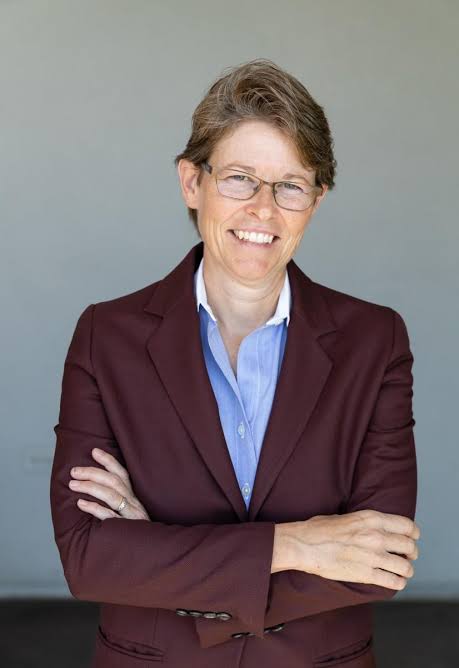 Why a $6 Million Law Firm Was Worth Less Than $500K
What is your law firm actually worth? And would someone want to buy it? In this episode of the Maximum Lawyer Podcast, Tyson Mutrux sits down with Victoria Collier, founder of Quid Pro Quo, to uncover what really determines a law firm's value. After building a seven-figure estate planning practice and realizing she couldn't simply walk away, Victoria transformed her business into something she could sell. Now she helps other law firm owners navigate valuations, acquisitions, and successful exits.

Unlock The Law Firm YouTube Accelerator Playbook
Get the complete, step‑by‑step system we use to turn YouTube into consistent, high‑value clients!
Button: Get Instant Access to the Playbook
Button: Get Instant Access to the Playbook
We only send you awesome stuff =)
Privacy Policy
Privacy Policy
This privacy policy has been compiled to better serve those who are concerned with how their ‘Personally Identifiable Information’ (PII) is being used online. PII, as described in US privacy law and information security, is information that can be used on its own or with other information to identify, contact, or locate a single person, or to identify an individual in context.
Please read our privacy policy carefully to get a clear understanding of how we collect, use, protect or otherwise handle your Personally Identifiable Information in accordance with our website.
What personal information do we collect from the people that visit our blog, website or app?
When ordering or registering on our site, as appropriate, you may be asked to enter your name, email address or other details to help you with your experience.
When do we collect information?
We collect information from you when you register on our site, place an order, subscribe to a newsletter, Use Live Chat, Open a Support Ticket or enter information on our site.
How do we use your information?
We may use the information we collect from you when you register, make a purchase, sign up for our newsletter, respond to a survey or marketing communication, surf the website, or use certain other site features in the following ways:
- To personalize your experience and to allow us to deliver the type of content and product offerings in which you are most interested.
- To improve our website in order to better serve you.
- To allow us to better service you in responding to your customer service requests.
- To quickly process your transactions.
- To send periodic emails regarding your order or other products and services.
- To follow up with them after correspondence (live chat, email or phone inquiries)