
Could your daily coffee run be one of the most valuable networking opportunities you have? Tyson Mutrux explains why he has stopped looking at his regular coffee purchases only as an expense. By getting to know the people behind the counter, he has built relationships that have led to client referrals. He shares an example of a matter worth about $19,200 in fees and a referral partner whose Chipotle connections helped generate a case that settled for approximately $750,000.
Why Successful Law Firm Owners Are Rethinking Growth
Subscribe





Watch the YouTube version of this episode HERE
What happens when the pressure of practicing law gets so intense that you crawl under your desk just to get ten minutes of quiet? Tyson Mutrux sits down with Steven Lefkoff, founder of Lefkoff Law, to talk about the moment that changed how Steven thought about work, stress, and running a firm. Steven shares the weekly planning habits that help him manage the chaos, why he prioritizes an in-person team, and how he uses his office as an intentional part of his client experience.
They also unpack how Steven built a niche serving car dealers and automotive businesses, why he focuses on long-term client relationships instead of constantly chasing new cases, and the membership model he created to offer clients predictable legal support. Plus, they discuss clients who resist AI, the importance of human trust, and the challenge of being fully present with family when the firm is always on your mind.
What You'll Learn
- How one ten-minute break helped Steven rethink his approach to law firm stress
- The Friday, Sunday, and Monday planning rhythm that brings structure to a busy practice
- Why a physical office can be a marketing investment for the right clientele
- How specializing in automotive businesses creates long-term client relationships
- What Steven includes in his $199, $649, and $1,649 monthly legal membership tiers
- Why client trust, human judgment, and personal priorities still matter in an AI-driven profession
Timestamps
- 0:00 – The ten-minute under-the-desk moment and burnout
- 08:27 – How Steven structures his week and case meetings
- 11:12 – Why his team works in person and his office doubles as marketing
- 21:15 – Finding a niche serving car dealers and automotive businesses
- 29:14 – Building relationships and recurring work with existing clients
- 40:25 – The legal membership program, tiers, and pricing
- 47:17 – AI, client trust, and rehumanizing legal services
- 1:01:36 – Balancing business ownership with family and personal life
Connect with Steven Lefkoff
🎟️ Get your MaxLawCon 2027 tickets: maxlawcon.com
🔍 Vet your vendors: beccaslist.co
Maximum Lawyer helps law firm owners build businesses, not jobs.
Resources:
- Join the Guild Membership
- Subscribe to the Maximum Lawyer Youtube Channel
- Follow us on Instagram
- Join the Facebook Group
- Follow the Facebook Page
- Follow us on LinkedIn
Full Transcript:
Tyson Mutrux (00:00) Today's guest is a good friend of mine, Steven Lefkoff, founder of Lefkoff Law, right here in Atlanta, Georgia. Steven has built a really interesting niche. I actually do think it's a really interesting niche. This firm serves car dealers and other automotive businesses across the country. And instead of doing one-off legal work, he's focused heavily on building relationships where clients stay with the firm for the long haul. We'll get more to that in a little bit. But today I was also I also want to talk about something we probably don't talk about enough as owners. There was a point early in Steven's career where he was so stressed that he literally crawled underneath his desk, set a timer for 10 minutes, curled up, and just tried to reset. He still thinks about that moment today. So we're going to talk about what changed between that version of Steven and the business owner he is now, how he's built a very s specialized practice, what growth has actually done to his workload, and why he thinks the future of law might need to become more human, less, not less. Steven, welcome. to the show.
Steven Lefkoff (00:58) Thanks, Tyson. Looking forward to this.
Tyson Mutrux (01:00) Absolutely. Uh this is a couple of years in the in in the making. Uh what are people going to learn by listening to this episode today?
Steven Lefkoff (01:07) That it's okay to breathe. And I mean that like um, you know, and we'll talk about it at length, I'm sure, throughout this morning, but we get so swept up in our schedule for today, in where where are we meeting, what are we doing? Did we have lunch with that person? Have we networked with that person? Are we hiring? Are we firing? It's okay to take a step back, breathe for a little bit, and we'll talk about my experience under the desk, which is exactly what prompted that. So I've got blocked time now where I just I breathe because we need it.
Tyson Mutrux (01:39) Well, we're gonna start there. I'm actually I wanna I have to start underneath the desk. Okay. So take me back to that day. What was happening in your career and your life that got you to the point where you literally crawled under your desk, curled in a ball, and set the time for 10 minutes.
Steven Lefkoff (01:54) This is exactly what happened, by the way. Like that is a hundred percent true story. So I was at a small firm here in Metro Atlanta and we did door law is what the the lawyers called it. And I'm sure you've heard that phrase before. If you walked in the door, we did it. And my background, my education background, I was a finance undergrad at the University of Illinois. I was very pro or or in favor of or really connected with our business clients. But that wasn't all the work we did. We did divorce work, we did some PI work. did some criminal defense work. We d you name it, they did it. And I had the fortune, I guess, of learning all those different practices, but also it made my brain go kind of crazy at times because I'd be working on a brief for a car dealer. We'll talk about those later. And then we'd get some crazy criminal motion in that I'd have to respond to. And by the way, that response is due at five o'clock today and it's three o'clock in the afternoon. And my brain doesn't work well.
Tyson Mutrux (02:49) With no AI either. No AI to
Steven Lefkoff (02:51) no, no. This was You know, 15 years ago, give or take. And so there was a day where that's exactly what happened. It was about three o'clock in the afternoon. I was exhausted. And I had an L-shaped desk. If you could visualize this, I had an L-shaped desk with solid panels in the front. So when you walked into my office, you couldn't see my feet, let's say. and so I literally just stopped what I was doing. I set a 10-minute timer on my phone. I figured I can, I can take 10 minutes. I got out of my desk. Turned my chair so it looked like I was out of the office, you know, in the bathroom or something, crawled under my desk, closed my eyes, and laid there. Didn't say anything, didn't tell anybody, didn't nothing, left the door open. I didn't even care. It wasn't like I shut the door to my office. I crawled under the desk, closed my eyes, and just sat there for 10 minutes. And from that moment forward, I it kind of was one of those like, there's bigger things than. the day to day practice of law in your life. You know, there's family, there's other things going on that is more important. And your sanity is like top of that list. There's a reason they say on the airplane to put your mask on before helping others. Sure. That was my mask on moment was I got under the desk, closed my eyes and spent that time.
Tyson Mutrux (04:09) Was it just like work life that was that was affecting you or was it were there things going on in your personal life too?
Steven Lefkoff (04:14) No, nothing personal. It was all just work. And and we're in a profession that's can be at various times very high stress, right? I mean, it's the nature of the beast, really, no matter what area of practice you're in. Now, I know there's lots of people that like to remote practice all over the world and travel and do all these things, but they're lying if they're telling you they're not stressed out at times. Right. There's just it just is.
Tyson Mutrux (04:37) So you called it your mask on moment. So what happened? What changed after those ten minutes? Like did you go back to work and operate the same way or did like did things actually change?
Steven Lefkoff (04:46) No, things changed because what I did from then is I started better planning my days. So I would have windows where I could either a fill it with emergencies if I needed to, or B, if I didn't need to, I could go walk around the building. I could go, I'll be honest, it wasn't the only time I crawled under my desk. I could crawl under my desk again. I could do things that were just opportunities for me to to recalibrate myself. So you know, they say that they're lot of people say like midday is when kind of you have that crash, right? That was the big five hour energy ad campaign years ago. Was like that's when you take it at two in the afternoon. So rather than an energy drink, my midday crash resulted in an opportunity to just recalibrate myself.
Tyson Mutrux (05:28) Well, the real reason for the afternoon crash is because people drink coffee within ninety minutes of waking up when they should wait because the adenacy needs to wear off. But anyways, we can t we
Steven Lefkoff (05:36) Thank you, scientists. All right.
Tyson Mutrux (05:38) but but th it's because they didn't understand it. So no one understood it back then. And so that's what they were they were that's how the market works. Anyways, I digress. Uh let's fast forward to today. Okay. And I want you to compare, give me, give me specifics. How is today's Steven Leftcoff different from that Steven Lefkoff?
Steven Lefkoff (05:58) number one, confidence. Number one confidence. and a lot of that is from the times of of s taking a step back, thinking about what you're doing, why you're doing it, how you're doing it. It is the crawling under the desk moments of just kind of I'm okay, right? I'm I know what I'm doing. I've got clients that trust in me. I've got clients that believe in me. There's a lot of always there's imposter syndrome all the time, but way less now than there was. And I don't think I even recognized that until I hired my first associate out of law school. And then you look at their work and you go, Wow, I really have learned a lot. You know, you you're 15 years out of law school, you still think I still think of my first few days practicing law. I still think at times I don't know things. I don't know what I'm doing. I don't know how to do it. And then I see some of the others and I realize how far I've grown. And so that that confidence I think is really important. And I think clients feed off of that too.
Tyson Mutrux (06:51) What's the structure of your week look like? I wonder.
Steven Lefkoff (06:54) So it's an interesting question. You mean like day to day or
Tyson Mutrux (06:57) Compared to like back then.
Steven Lefkoff (06:59) so it it's under my control now more so than it ever was.
Tyson Mutrux (07:04) think that that's what has led to the confidence or part of it because you have more control over your day?
Steven Lefkoff (07:08) Yeah, but but I'll tell you, I don't think I use that as much as I could. Okay. Meaning there's still lots of times where I'm always working, right? Even though I'm the boss, even though I own the firm, even though I can leave to go record podcast episodes, I can go on vacation, I can leave work early to go see my kids. I can I have the freedom. I don't have to ask anybody, right? But I still sometimes feel a little guilt and a little bit like I've got to be the person that's there all the time. got to be the you know, setting the example for everyone to follow.
Tyson Mutrux (07:41) Have your hours changed, I wonder.
Steven Lefkoff (07:45) Yes. Mm. I don't know that they have, actually. I don't know that they have. It's it's an interesting question. I think I've stopped working when I want to stop working. Okay. meaning if it's some days it's six o'clock, some days it's six thirty, some days it's five. But there are times where I just say I'm done for today and that's enough.
Tyson Mutrux (08:14) So is it is it as simple as that you've structured your week as opposed to just having chaos come to you?
Steven Lefkoff (08:20) I think that's a lot l a large part of it. Yeah.
Tyson Mutrux (08:22) Yeah. All right, so give me the mechanics. You said you do some time blocking. Tell me about the structure of your week.
Steven Lefkoff (08:27) Right. So Sunday is my week review day. Okay. So Friday Friday, let's say it this way. Let's start back the week before. So on Fridays we meet as a team and we look at the upcoming week's schedule. Monday morning we do our case meeting where we go through actual matters and what's going on. But the Friday before we meet as a team, we look at the schedule because we want to see, okay, what days are open for booking things, what days are not open for booking things, what days do I have court? Do the clients know all of that? That happens Friday. Sunday night, I take another look at my schedule. Okay. Because I want to see personally, all right, let's say I want to take a little break. Let's say I want to do something a little different. When can I fit that into my day? That way also Monday morning, I know with reasonable certainty. I mean, things happen, but I have a pretty good idea of what my week looks like. And then I get in Monday morning, we do our team meeting on Mondays. We go through every case. We have a list of it's about 200 different matters going on of various types. We'll talk, we can talk about that. That takes about two hours. From there, we've got now a task list for the week, which is what are the things we need to do this week in each of these matters? You know, in our profession, it doesn't always stick that way. And something will get thrown on me on a Tuesday that needs to be done by Wednesday afternoon or by Tuesday afternoon. Sure. That kind of stuff happens. But that way we can at least plan out the schedule. We did try. we tried to block like call times. We tried to block s we call them strategy sessions, our our intro call, our consult call times. It didn't really work that well because the nature of what we do, there are sometimes answers in lawsuits that are due in two days. There are sometimes very large corporate clients that get referred to us. And I'm like, you what? I'm gonna make an exception oh for that corporate client because they've got a thousand attorneys that will do whatever to get their business. And I don't want to tell them I can't meet until two weeks from now.
Tyson Mutrux (10:23) That makes sense. Uh what's your what you do when it comes to the we the meetings and everything, it sounds a lot like it's doesn't it's not identical. It sounds a lot like the twelve week year. Um did you ever read that book?
Steven Lefkoff (10:34) Haven't read it. Okay.
Tyson Mutrux (10:35) Really good book. but it sounds a lot like w with when it comes to the meetings and everything else, but they also go like off quarterly rocks and all that. But do you do you deal with all the quarterly rocks and do all that do all that? Try. Yeah.
Steven Lefkoff (10:44) Tried, tried. I fell off the wagon. Yeah. Totally on me. Uh we pick these things up. I have these great ideas. We try as a team to do things and then they kind of fall apart. Now I will tell you, we work in person at my office, which is I think less com certainly less common than it used to be.
Tyson Mutrux (11:01) I think it's interesting because one of your that was one of the main things when it comes to hiring was you went you needed someone in in house, which talk about that a little bit. Like why in person?
Steven Lefkoff (11:12) So there's a selfish component for me that's camaraderie that I just don't want to be working alone in my house, right? I want people around. I think it builds it the the non-selfish is that it builds team, it builds camaraderie for everybody. It's not just me. It's, you know, everybody feels a part of the team. And we really feed very, very well off of each other when we're in person. We can meet on a dime. We can, we know what's going on. You know, if if you've got an emergency you're dealing with, if you've, you know, if you've got this, if you need to meet about this thing, you know if I'm on the phone or not, because you're right next to me. Right. I know if you're in a meeting or not, because I'm right next to you. And I know there are I I mean, obviously a lot of ways to do that virtually. but it just for us, it works better. The training works better, right? We're training young lawyers, it works better that way. And so I've just found that I'm the boss. I get to make those decisions and it's better. And I'll tell you, we spend A fortune on my biggest budget is our space. So we moved into a new office. It's
Tyson Mutrux (12:16) Space. Beautiful.
Steven Lefkoff (12:18) I love it. I love it. but but it's I tell people it's my marketing budget. We bring clients into it to really to impress them. Like this is where your money's going, right? We know what we're doing. We're real people. We're not meeting you at a Starbucks. And we so we bring clients in there, I host mediations there, I try to get as many other lawyers in there as possible for the same reason. We try to do depositions in person in a lot of cases for the same reason, just to bring you into the office, because it really is, it's a really nice place to be, nice place to work, and we want other people to see that.
Tyson Mutrux (12:50) So I generally think that a really nice office is a just a bad investment. But if you are if you're using it the way you are, I think it's a great idea. I think it it is necessary, especially with your clientele, I think that that makes more sense too. Um so I I think I think that br like calling it your marketing expense, I think that that makes more sense if that truly is something that impresses your clients and you're using it for all these other things. If you're not, then it's a waste of money, I think, in my mind.
Steven Lefkoff (13:18) No, I agree. Yeah. I agree. And and it is it is client based. I mean, it's it's important to know who your clients are, why you're spending the money you're spending for those clients. And every firm's different. For us, it is it is our marketing budget and it works out really well. But for others, it wouldn't I agree with you, it wouldn't make any sense.
Tyson Mutrux (13:34) When you think back to like the under the desk left off versus like now, like did you remove anything from your plate that made things easier on you?
Steven Lefkoff (13:43) No. I I wouldn't say I did. I just thought differently. it was a mindset shift that it's it's those ten minutes are okay. It's okay. I don't need to be sitting at my desk frantically freaking out about okay, what's the next thing on the checklist? I've got, you know, these ten tasks to do today. Okay, finish one, next, you know, okay, finish the next one, next. Like it allowed me to say, Okay, it's it's all right to take a little break. It's all right to think, it's all right to, you know, plan. It's okay to call my wife and say hi in the middle of the day, just because I'm not we're all busy, but it's okay. You know, you get the work done.
Tyson Mutrux (14:23) Okay. I think that that is I it's it's not concrete enough for a lot of people to be like, hey, like how do I do that? I wonder what it what advice would you give to the person that may be under their desk right now thinking, maybe they're listening to this, how do I get out of this job? Kind of a thing. Like what are they, what would your advice be to them? Because I think it like it's almost like your brain broke. You know what I mean? Like you're like That's right. I've I've I've kind of hit this point where it's a breaking point and so y it almost like your brain was forced to do it. Do you have any advice to someone so they don't have to hit to that hit that hit hit that point?
Steven Lefkoff (14:58) Yeah, start thinking about why. And I and I don't mean why you're doing what you're doing. I mean why you feel the way you feel. you know, you can't fix a problem unless you know what the problem is. And for me, um, I I think that was the trigger was getting under the desk, right? but it had me thinking about okay, why am I under here? Right. It wasn't like I just crawled under to pick up a crumb that had fallen from lunch and I got right back at my de at my chair. I was under there because I needed a break. And so that was my why I was under the desk. But for everybody, that's going to be different. Like, what is it that's that's eating at you? What is it that's that's stressing you out? Right. What is it? Is it workload? Is it the people you're working with? Is it the type of work you're doing? Is it something at home on your person in your personal life? Like, what is it if there's something going on that's causing you to think I need my 10 minutes under the desk? I think it's important to think of why you need that time. You can plan for it. That's the solution, right? That that's what I'm getting at is okay, like if you need that time to yourself, like I've found that I do, I can plan for that now. I know when my times are. That's concrete. You can figure that out on your calendar. But the the hard part is determining or understanding why you think you need that time. What is it that you're trying to solve?
Tyson Mutrux (16:22) How much of what you were feeling had to do with how much money you were making at the time?
Steven Lefkoff (16:27) now that's a really good question. Okay, so you gotta understand something about me. Money doesn't drive me. Okay. It's important. I got to pay my bills. I'd like to go on vacations. I like to enable my family to do things. But I I was for I'll give you an example. I was in a business development group, and you had to have a certain income level to get in the group. And then you had to have or revenue level. You had to have a certain revenue level to get in the group. You had a certain revenue level to get to the next level in the group. There were like levels based on Your company revenue. It wasn't legal. It was a BI type thing. And I was in it for two years. I was steadily rising. And then I said, I don't want to do this anymore because I like where I am. I like the people I'm learning from in my group, but they highly encourage. They want you to grow, but the growth is based only on the revenue number. And there's a lot of reasons why I had a problem with that. I think. You know, obviously profit matters, size matters, where you're coming from matters, you know, family history, whether you come from money or don't come from like there are lot of factors that go into that. But I did not like that it was all based on a number. And I don't operate that way. I don't I I'm very confident, like that goes back to the confidence, yeah. That the relationships build the business, that if the business is running and I'm able to pay the bills, I'll keep going in this kind of a trajectory. And so far that's been true. But But it wasn't money. That that wasn't it. Um and and I don't know if that was because I was frankly able to pay the bills. It wasn't like, you know, I was struggling to pay the bills. So maybe money wasn't a factor because of that, but also because it's never really been my driver.
Tyson Mutrux (18:05) I bet and I'm I'm just making an assumption but generally about most people, the more money that you make, the more the the bigger problems you're willing to accept because you do have the money to deal with it.
Steven Lefkoff (18:19) Probably.
Tyson Mutrux (18:20) Yeah.
Steven Lefkoff (18:21) Probably. we had I'll tell you personal story. my son's bar mitzvah was last month. And you know, the it's it's like a wedding. For those that don't know, you're planning this big party. And similar to a wedding, at the very onset, you're signing a bunch of contracts, you're giving some deposits and down payments. Then you have this like, I don't know, six to eight month window where there's nothing going on. He's learning his stuff, but for us, we don't have to do anything and then Two weeks to a month out, you start to have to make final payments, go through walkthroughs, do all of these things. It's it's insane. It's I wanted to, I I told my wife, I said, can we just convert to Christianity for a while? My kids are 13 and then convert back. Please, can we skip this? But um, she said no.
Tyson Mutrux (19:07) That ex
Steven Lefkoff (19:07) but anyway, so four days before the event, the venue said they were having a problem with their they have a restaurant on site, and we had rented out the whole venue. And they said the restaurant, which wasn't there when we first signed our contract, wanted a payment to close. Okay, it's a takeout restaurant.
Tyson Mutrux (19:26) We deal with this all the time with Max Law. I completely get
Steven Lefkoff (19:29) And you get that to like a week before the event. And I'm going, Well, I could do the legal thing and go, Well, you gave me, you know, we signed this contract, you gave me the whole place, I don't care what they say.
Tyson Mutrux (19:42) The legal thing is not always the right thing. It is not. Not always.
Steven Lefkoff (19:45) It is not. And my but my wife says they close the whole place. Our contract says what it says. That's their problem, not ours. And I have to say, well, honey, no. It's our problem because it's our event. Yeah. And if they refuse to close and stay open, it's definitely our problem. We end up paying them a small amount. We negotiated a a deal where they gave us a gift card back to use their like it worked out. Okay. Yeah. Right. But that's one of those where you go, I'm just gonna pay I'm going to negotiate it down to something I'll swallow because I don't want to deal with the alternative. And in a lot of cases, my clients are almost all business clients. And these are the conversations I have with them on a daily basis. Yeah, that case might be frivolous. Yeah, that AI plaintiff may be insane. Yeah, that customer might be crazy. But let's look at the balance sheet.
Tyson Mutrux (20:36) Mm-hmm.
Steven Lefkoff (20:37) In the long run, is it worth it for you to fight the fight because you have the legal right to fight the fight? Or do we work something out because you just want to move on and get your deal done?
Tyson Mutrux (20:46) Gotta make the right business move. Always. Yep. Always. Whether that's family or business. It's it's one of those things. You gotta think of it like almost like a business decision sometimes. Just peace of mind.
Steven Lefkoff (20:55) I think a lot of law firm owners need to think that way too.
Tyson Mutrux (20:58) Completely. All right. Let's talk about your your niche because you have a very specific niche serving car dealers and automotive businesses, automotive businesses and some corporate clients too. was that an intentional business strategy from the beginning or did you stumble into it?
Steven Lefkoff (21:15) Total stumble. Um I'm not a car guy, which is kind of cool because it means that like I've I've got a small interest in them now because of what I do, but I was never a car guy. Um
Tyson Mutrux (21:27) Well, okay, well before you answer my question then, because like I grew up around car guys. Okay. They gotta you gotta catch some hell from that then from them sometimes, right? I
Steven Lefkoff (21:37) Do, but I'll tell you I'll tell you a little story. When I was in law school, I'm a huge Atlanta Hawks fan. Okay. And when I was in law school, sorry I have that's what I should say. It's you know, it's it comes and goes. It's tough. Yes. Not the easiest team.
Tyson Mutrux (21:47) It's always it will.
Steven Lefkoff (21:50) Well. Hope. That's what sports is all about. but I had the opportunity, my second year of law school, to interview with the Atlanta Hawks for a general counsel position. And I you talk about shaking in an interview. I was like freaking out. Yeah. And they asked me, the the GC said, How long have you lived in Atlanta? I'm like, I'm native. I've been a Hawks fan forever. He's like, got bad news. I said, Well, right in the interview. He goes, We're not gonna hire you. In the interview. And I said, okay, what was it something I said? What did I do? He said, We don't hire Hawks fans because you're you're con you're conflicted at times with what's best for the entity versus
Tyson Mutrux (22:32) Interesting.
Steven Lefkoff (22:34) what's best for the team. And
Tyson Mutrux (22:36) Interesting.
Steven Lefkoff (22:36) you know things that you're gonna have decisions that you have to make and help and and advise us on that are good for the entity, good for the arena, let's say, but may not be best for the product on the court. And how do you deal with that in your mind? So that was, I've told that story to a lot of clients who really appreciate it because they get that I'm not going to be swayed by, that's a Lamborghini, or that's a Ferrari, or that's a 1960 whatever Jaguar. It
Tyson Mutrux (23:05) It's
Steven Lefkoff (23:06) it doesn't change my mind as to how I handle that client, how I talk to the client, the relationship I build with the client. To those are just assets.
Tyson Mutrux (23:15) All so how'd you stumble into it? Okay.
Steven Lefkoff (23:16) So my old firm, the one I Climbed under the desk with uh, they had a small practice in the car industry. The partner I was working under had a relationship with the local car dealer association. And I started saying, okay, I can't, I I don't like, like I said before, I don't like the criminal stuff. I don't like my mind being in a million places. So I'm gonna find the lane that I like the most and I'm gonna start fostering and growing those relationships. And that because of, I think a lot of because of my finance degree in undergrad, I understand the terms, I understand the arrangements. There's a lot of math, frankly, that goes into these the back end, the front end of the car business, the financing, the funding, the security interests, all these different things. And so I started going to their conference. And I'm gonna talk. In fact, I'm I'm can't wait to speak at Max Law because I'm gonna talk about finding clients. And one of the things I did was really prioritize that association. And so when I left the firm where I was, I didn't tell any of the partners I was leaving. And I I did well, I didn't tell any partners I was leaving. I didn't tell any of the clients I was leaving. None, not one. I didn't give anyone a heads up. I out of respect to the partners I was working for, I was like, I'm not gonna do this. We're gonna see how the cards fall. And when I left, the first clients that came with me were in the car business. Wow. I said, I think there's an opportunity here to be essentially like the pediatrician for their business. I'm the I'm the first call for everything. We do eighty percent of it, the other twenty we farm out to experts.
Tyson Mutrux (24:43) So what made you think that there was a business though in the auto industry in general? I just I don't think that that's a natural reaction most people have. Like like see I I've only seen, I think, one other firm do it this way, where and it was Nadim the Dream in St. Louis, N Nadim Ramick. He does he his his whole sort of vertical is Bosnians, right? He's Bosnian. He he targets Bosnians, right? And there's a lot of practice areas within that, right? Because Bosnians are just like any other human, right? They get divorced, they have car crashes, they get they have immigration issues, right? Uh so he saw that vertical. I guess how did you see that vertical? Most people don't see the vertical.
Steven Lefkoff (25:27) I think I saw the relationships first. m Okay. I met the people. I met the clients. I went to the conferences. I I recognized that they don't need experts in, they don't need 12 different lawyers, right? These are small business owners. They need someone that they can call and that they can trust that'll take care of them. And that's really where it stemmed from. And and then I I learned there are over 5,000 dealers in the state of Georgia alone. And I go, okay, that's a large potential client base. If I become the guy for those folks, I mean, the opportunities are are frankly endless to be able to grow. And then, you know, if you wanted to, you could go to other states, grow that way. But but the first step is to really be the man here in Georgia. oh
Tyson Mutrux (26:12) if your model's gonna have to shift or if you've noticed any shifts in it where I've noticed in Missouri at least there are there's like one big dealership one not big dealership one big company that's coming in buying all the dealerships and essentially there could be dealers across the street from each other different they're different like a Ford and a Chevy but they're owned by the exact same company. Is that affecting you at all?
Steven Lefkoff (26:39) So yes and no, we've started to get into the franchise dealer world, which is very exciting for us. It took a long time because the franchise dealers have the downtown Atlanta lawyers that granddaddy had when he would started the dealership.
Tyson Mutrux (26:55) Well that's what I was kinda wondering about. Yeah.
Steven Lefkoff (26:57) And and so really it's making the mark, right? It's knowing, it's getting the word out, it's getting the name out. Like I'm gonna talk, I told you I'm gonna talk about this at the at the conference. I hope for those that are there, they'll learn a lot because you gotta you gotta go. You gotta get there. You gotta make your mark. You've gotta be the person for those folks to where, The because they don't Google, right? Like my clients aren't finding me on Google. Some are. We've got a f a couple that did, but for the most part, these are the franchise dealers, these are legal departments. They're getting your name from somebody else. And so you've got to be the person that that somebody else is mentioning to get their business.
Tyson Mutrux (27:40) Does this mean you're getting like referrals? Let's say that Bob, whatever, dealership, right? Owns the dealership and one of their employees gets in a car crash. I mean, are you helping those people with things like that or is it not that not that neat?
Steven Lefkoff (27:55) Not really. Okay. what I'm helping Bob. I'm helping Bob. I'm helping his general manager or her general manager, like whoever the owner I'm I'm really interfacing with the owner, if they have a legal team, their legal department. If not, it's their GM or their risk manager. Those are my contacts. They then will connect me as needed with the salesperson that's screwed up on a deal, you know, so I can find out, get affidavits signed, whatever I need to do to find out what happened. But It it usually flows. I've got to get my name in front of the people at the top. They don't usually get my name from, you know, a salesperson.
Tyson Mutrux (28:31) Why are so many dealers named Bill, Bob and Jim? I just don't get it. I don't understand.
Steven Lefkoff (28:35) To Atlanta. Yes. you come to the south, you'll see all kinds of names. Uh but yeah, I it it and it it's true, by the way. Like the the industry is exactly what you think it is. There's some very, very good dealers, there are some very not good dealers. There are some that use great contracts, there are some that barely use contracts at all. it's and everything. I mean everything.
Tyson Mutrux (28:58) Right, so you said before that you don't want one timer clients. And so you want clients for life. I think it's a great way of looking at it. Like so the lifetime value of a client, right? That's what you focus on. Uh what does that mean financially and operationally though?
Steven Lefkoff (29:14) As far as what?
Tyson Mutrux (29:16) Like how do you because it's one of those things where, like, for example, let's use personjury, right? Car crash. Come someone comes in where they come in, they usually find us on Google and then we we represent them and we wanna get referrals later on. So we wanna treat the whole relationship like you know, we're marketing to them, taking care of them so we can get referrals from them. But they never they may never get into a car crash ever again. Like your your clients are probably gonna need more things because it's you know, they're a dealership, they're gonna keep running the dealership. I just wonder, like from a financial standpoint, from an operational standpoint, I guess how are you viewing it when it comes to the lifetime value of that actual client of yours? And then also, but operationally, how you're dealing with a lot of different things. Yeah. You're not, it's not just like I have a car crash I'm dealing with, right? I'm dealing with a car crash. We mostly handle car crashes, right? It's a personal injury case. You're could be dealing with so someone getting sued versus maybe they need a contract review, right? So how do you operationally streamline that?
Steven Lefkoff (30:14) It's so remember the focus for me and my firm is the relationship. Right. Um it's not on the case, that case. But it's it's a different reason why it's not on that case. For for a lot of PI firms, it's not on that case because the focus is on the future referrals. Right. This is an opportunity for this person to tell to tell other people about us. For us, our clients aren't our best referral source, right? Like we do a great job for this client in this one case. That's not going to lead to a bunch of a bunch of more clients. They're business owners. They have their own business. What it's going to lead to is more business from them. And so my focus is very much on the actual relationship with that person because I want them calling us again. I want them using us again. I will drive by their lot two years after doing my last bit of work for them and drop off a deck of playing cards. I'll take a picture of a car with a temporary tag that has that dealership's, you know, plate on it. And I'll text it to them. Hey, just saw this car, thought of you, hope all is well. Not because I'm expecting them to say, Oh, I have this friend John or Sarah who needs a lawyer, call Steven, but because I want them to say, you know what? We had this customer make this complaint. I'm glad you reached out. I meant to call you, couldn't find your number. So there you go. Value is really hard though in my business to estimate. We have small dealers that Use us one time, they have one issue, they've been sued once, they're done, they fix the problem, they move on, and it's a ten thousand dollar legal issue. We have big dealers that pay, you know, 50, 60, 70 more a year in just ongoing legal. And so it's really hard. And and I've been fooled before too. I've had times where I've had a big dealer group where remember I said before, sometimes I'll change my schedule to fit someone in. I think, my God, I can't lose these folks. Sure. Get on a call with them. It's a nothing thing. I tell them all about all the different things, ways we can help, and I never hear from them again. And and so you you play that game in the same way that, you know, PI, you've got to answer the phone, right? You get a you don't want to lose a referral. It may be nothing, but you don't know when they call. But but we really can't ballpark or really have an idea until we dig into all the different things. It's almost like upselling to some extent that they don't know. I'll tell you why. The the dealers. And my my corporate clients generally, they don't know what they don't know and they don't know where their holes are until they get sued or until there's a demand letter. Right. But then when they come to us, that one hole, we're able to see 20 other holes that we want to patch before they get more letters, before they get another lawsuit, before they get an employee complaint, whatever it is that they didn't even know they had. And that's really when that happens. That's when you see the shift mindset wise of, wait, these guys can really help me. I think I'm gonna keep them on speed dial.
Tyson Mutrux (33:15) It's like whatever these companies you you call to get your water heater repaired and they're like, Hey, we'll do water pressure testing for you and then they go around and say, You need to replace this, you need to replace this, you need to replace that.
Steven Lefkoff (33:26) Kind of. I mean, kind of. It's and it's hard. It's really hard too, because we're not in in some cases, we're not fixing an immediate problem. And so you're trying to sell, you almost have to be a salesperson as much as anything else to try and say, it's worth it for you to spend this money on us, even though you're not, you know, you're not necessarily gonna see a result. You may never see a result. Yeah. Right.
Tyson Mutrux (33:52) Well, it's it's eating healthy, it's preventative maintenance kind of like it's working out. It's like that's that's what what we're talking about. So I think that's smart. Now you mentioned the playing cards, for anyone who knows like you have some phenomenal swag. Your swag's really good, your hot sauce is great. But I was I sent you a text about a month ago. My son, he brought these playing cards out like out of his backpack, and he was like after school or something like that. And I was like, What the hell do you have those for? Like he's like he's like, these are these playing cards are really cool. And I opened them up and it was your freaking playing cards. And they're really cool. Aren't they clear or something? Like they're plastic?
Steven Lefkoff (34:26) They're plastics and they're waterproof. Yeah. So you can use them, you know, at the beach, at the lake, whatever.
Tyson Mutrux (34:30) They really are cool. Do you still give away the the hot sauce?
Steven Lefkoff (34:32) I don't have the hot sauce. I can order more, but we've run out. But it is like a it's a story. People come up to me all the time asking for the hot sauce.
Tyson Mutrux (34:40) have the hot sauce at the office. I still have some left. I s I don't I hope it's not expired. I still use it. I so it's it's you know well it's in our kitchen at the office. So
Steven Lefkoff (34:49) I love it. This is a whole thing. I mean, we think about what do we like and then I'm gonna put my brand on it.
Tyson Mutrux (34:53) I I love it. It's good. I do have a question going back to the business when it comes to like new clients versus existing clients. How much like when it comes to your revenue, like what percentage of your like month-to-month revenue comes from existing clients versus new clients?
Steven Lefkoff (35:08) it's almost all existing clients. I mean, I would I don't know that number off the top of my head, but it's gotta be over eighty five percent. So
Tyson Mutrux (35:15) You are I I wonder like for us, like we are constantly trying to get new clients. That's just part of it is like that whether that's through referrals or like through Google or AdWords, whatever. So how do you how much time do you devote to bringing into business?
Steven Lefkoff (35:31) It what I do is not like that. It's not calculated that way. It's I go, you know, I speak at conferences, I go to the association meetings, I talk to people. I don't I don't intentionally bring in new clients. What I intentionally do is keep telling people what we do. Um I talk about where we fit in in the legal market, the kind of clients we serve. The for us, if we get three new clients a month, that's huge. That's huge. I know it sounds kind of weird, especially coming from like a PI practice or a criminal defense practice or a divorce practice. But in a corporate in a corporate environment that we're in, these clients are spending good money with us. And all we need is a couple extra a month to start compounding because they don't leave. Yeah. Right. It goes back to we're not losing them as fast as we're gaining them. They're kind of it's like the tax code. We're just stacking more paper on top, generally speaking.
Tyson Mutrux (36:27) I can tell by by your comment what you think about the tax code. But the
Steven Lefkoff (36:32) My favorite thing.
Tyson Mutrux (36:34) So I guess like three new clients in a month, like you might be thinking, okay, we may need more people. Like that's the if you were doing like three a month, like you're yeah, okay. So that's that's how big of a difference we're talking.
Steven Lefkoff (36:43) Right. That's right.
Tyson Mutrux (36:44) Are you able to handle a steady supply of new clients though, because of the nature of the the of the work? I mean, is it or is it because you're adding two new you know, clients a a month that you are constantly having to hire.
Steven Lefkoff (36:59) Um no, y we're able to handle it right now. But what it does is, you know, when your goals are modest like that, we can plan the hiring better, I think, than than otherwise. We're not frantically out trying to get a ton of new clients. It's not, you know, a fire hose that we've then got to oh shoot, it worked. We need to put the, you know, we need to hire 12 bodies because we can't take it on. Our goals are modest. And so we're able to plan. Okay, if we do this, like I can plan in January, if we hit these goals of Two to three new clients each month, you know, that's 30 or so in a year. And we'll need to hire it by September. We'll need to because we can sort of plan what they need. And and one of the benefits of the practice I'm in is very rarely is there an emergency. So I went back from that whole law practice because of the relationship. Right.
Tyson Mutrux (37:48) Do know that it's really an amazing
Steven Lefkoff (37:51) Because we can talk to them and I can I I do a really good job. One of the most important things I think I do and And maybe it would be great for listeners, is to not just set expectations with your clients, but set exact, tell them when you're gonna have something done and have it done by that date. Okay. One we get a lot of clients from hey, I was using this other law firm. I gave them this contract. They said they'd take care of it. It's been three and a half weeks. I'm about to lose the deal because they haven't. Can you get it done? Yeah, I can get it done. It's Tuesday. Can I get it done by Friday? I really need it by Thursday. Can you get it done by Thursday? Look at my schedule, whatever. I can get it done by Thursday. Better have it done by Thursday. You have it done by Thursday, you've got a client for life.
Tyson Mutrux (38:33) Well, it's funny, our my team hates when we do that. When when the attorneys do that, they hate it. It's and it's not that we don't get it done by Thursday. It's clients calling in Wednesday and Tuesday and saying, hey, is it done? Tyson said it'd be done by Thursday. So they hate it. They hate when we and so I understand the importance of timelines. My team cannot stand it. But I I think that that's right. I think that setting those expectations and also delivering the timelines and actually meeting those. And if you're not gonna meet the timeline, call early and explain. We're not gonna hit Thursday. Here's why. This is what came up.
Steven Lefkoff (39:06) Absolutely. And and I think your clientele matters too. Right. Like remember, I'm dealing with business clients. They've got deadlines too. They understand that, you know, this is a business. We've got other clients we're working for and working with. We've got other deadlines to meet. I most of my clients don't think they're the only client of the firm.
Tyson Mutrux (39:23) Yeah. I had a client the other day, it was referred by my mom. Yeah.
Steven Lefkoff (39:27) Oh always good.
Tyson Mutrux (39:29) And he's like, Tyson, you don't ever have to call me until you have to tell me something. It's like it was like it was like, well, we're going to. Like we're going to call you. But it's like he's like, he's like, I trust you. You don't have to call me unless you absolutely unless it's something that it's an update that you know. I was like, well, we're gonna call you. So it's gonna happen, but yeah, those are the best.
Steven Lefkoff (39:46) And that's and one of the first things I say is like I'll be writing a letter for a client. Let's say that might be the first engagement is like, Can you write this demand letter? Okay, fine. Do you want to see it before it goes out? Generally speaking, the first time I write for a client, I'll send it to them so they have an idea of kind of what my writing looks like, the writing style, how we handle things. Do you want to see that? And then moving forward, I might ask, is it okay if I just start being autonomous? Like, can I just do this stuff on my own without needing to constantly update you? Once you do that, they understand, okay, I got my first view. I know how to reach him if I feel like I need to see something else. But otherwise I trust, based on what I'm seeing now, that the rest is going to be handled. And it really helps.
Tyson Mutrux (40:25) Love it. All right. you've taken this even further and you created a membership program for car dealers, which is which is a cool idea. Walk me through how that idea happened. Is that something you're still doing?
Steven Lefkoff (40:37) I am still doing it. And it's great. It's great. we got a call from a dealer owner a few years ago, um, maybe five or six years ago, and he's he asked to speak to me about the bill. So, okay, no problem. Right? We bill hourly for the most part. And so I get on the phone with him, I spend 30 minutes going through it. It was a litigation file. We had a summary judgment that we drafted, not cheap, right? It just wasn't. No, it wasn't cheap.
Tyson Mutrux (41:05) No, it's not.
Steven Lefkoff (41:06) And I had to have a number of different calls with salespeople. Was it a we were filing the motion,
Tyson Mutrux (41:08) Response or were you actually filed the motion? Okay. Yeah.
Steven Lefkoff (41:11) but I had to have calls with salespeople. I had to have a call with the general manager. I actually had to go to their location to take they weren't getting me documents that I needed. They were 10 minutes away. I'm like, you what? I'm just gonna come to you. Right. But all of that's billable. Sure. And the client understands that on the front end, but it's easy to say, yeah, yeah, do it, do it, do it until you see the bill and you have a freak out moment. So I'm I'm going through all this. Client gets it totally. Pays the bill in full, not a problem after the call. Didn't bill for the call. But uh, but it went through it all, not an issue. And and then I said, you know, there's gotta be a better way to do this because most of who I'm interfacing with isn't, aren't the people that are paying the bill. And so I'm spending a lot of time with folks who I need to spend time with, but then the bill is going to someone else who says, Did you really need to spend an hour on the phone with that person? Did was that hearing really four hours long? Was that did that contract? Who asked you to do that? Who asked you to draft that contract? Did they even have the authority? Right. Do they know how much we're spending on legal? They probably don't. Right. Right. So they think it's just a free phone call. Which I said in response, it should be. You're right. You know what? You're right. You're the owner. You're right. You don't know what's going on on a day-to-day basis. You hire us, you trust us. Talk about trust, you know. Yeah. Does that show trust? I don't know. And them questioning all this stuff. But really, like, I need to be able to have a relationship. I need an attorney-client relationship. And how do you have an attorney-client relationship if the if the owner of the business is going keep every call to under six minutes?
Tyson Mutrux (42:50) Yeah.
Steven Lefkoff (42:51) Right. Keep every call to under 12 minutes. We don't want them any longer than that. If you need to
Tyson Mutrux (42:54) And how do you how do you build the relationship with the company whenever you can only talk to the owner? 'Cause you have to be able to talk to all these other people too.
Steven Lefkoff (43:00) Of course. Of course. And so so that that's what started it. I started thinking, okay, how do we roll this up into a program where the business owner isn't worried that legal's gonna get crazy, that the legal expense they can budget for it, they can plan for it. And so that's what started it was just it started with included phone calls.
Tyson Mutrux (43:18) So what do they pay for and what do they get?
Steven Lefkoff (43:21) So we now have three different tiers. Okay.
Tyson Mutrux (43:23) Yeah.
Steven Lefkoff (43:23) at the base level, it's 200 bucks a month. And what they get are 15 minute phone calls. They get access to a client portal where if they email us questions through the portal, unlimited. Never been a problem. Never
Tyson Mutrux (43:33) Limited fifteen minute phone calls. Okay, wow, okay. Wow, okay.
Steven Lefkoff (43:39) been a problem. Uh I thought it was gonna be a problem. I was very nervous about doing this. No problem. Unlimited 15 minute phone calls. They have to get
Tyson Mutrux (43:45) How do they set the calls? Do they just call Okay?
Steven Lefkoff (43:48) online. They have to book it through our booking portal. Fifteen
Tyson Mutrux (43:51) So it says a fifteen minute phone call. It's a
Steven Lefkoff (43:53) minute block. They have to find time in my schedule where they can book it. If they do it any other way, they get billed for it. Okay. So we're very clear. You have to do it this way. Questions through the portal are all included. So you have a quick, you know, customer doesn't want to pay this. Do they have to? Question. That's all included. They get, we have about a fifteen to twenty form bank. We have about a fifty form bank, but they get access to fifteen to twenty of them. There's a list. Yeah. Of what they get and they get once a month we do Zoom office hours. It's three hours. I get on Zoom and I just sit there. I'm doing other work.
Tyson Mutrux (44:26) Does anybody ever show up?
Steven Lefkoff (44:28) Never. I shouldn't say that. No, never. I mean I've had I think I've had two in three years of doing this.
Tyson Mutrux (44:34) I don't think dealers are watching this, I think you're safe.
Steven Lefkoff (44:36) I mean, so so they don't show up, but they value it. They know it's there. And then I do a webinar once a month for thirty it's about a thirty minute webinar on something interesting that happened that that month in the law or related to them or some case I'm working on. Huh. Whatever. That's the base level. Then it goes it goes all the way up to sixteen, forty nine and you get a whole bunch more.
Tyson Mutrux (44:53) Yeah, sixteen forty nine, so one thousand six hundred forty nine dollars. That's right. Okay. What is the base? How much for the
Steven Lefkoff (44:57) one ninety nine.
Tyson Mutrux (44:58) So one ninety nine base, so smaller smaller dealers.
Steven Lefkoff (45:01) Small dealers that don't have a lot ongoing. There's a discounted legal to that too. There's a percentage off your hourly bill.
Tyson Mutrux (45:07) The middle tier?
Steven Lefkoff (45:08) Six forty nine.
Tyson Mutrux (45:09) Forty nine, then sixteen forty nine. That's right how'd you come up with those numbers?
Steven Lefkoff (45:12) Guessed. Really? You just I guessed. Um
Tyson Mutrux (45:15) I
Steven Lefkoff (45:16) we we started with I asked a couple clients. I shouldn't say I guessed. It wasn't total guess. Yeah. But I asked a couple very good clients. Kind
Tyson Mutrux (45:24) Like a guess.
Steven Lefkoff (45:24) of budgeting. Yeah. You know, what does this but I picked the numbers. I was like, does this sound right to you? They're we'll sign up for that. It started with, I'll tell you this, it started with sixteen forty nine and six forty nine. Excuse me. Two tiers. I was at a conference. Dealer comes up to me and goes, Too expensive. I said, too expensive. Do you know how much lawyers cost? He goes, Nope, never used one.
Tyson Mutrux (45:47) Well you're gonna end up paying one way or the other. uh
Steven Lefkoff (45:49) So fine, what would be a number you'd pay to have a lawyer in your back pocket? And he said, 200 bucks. I said, if I can roll out a $200 plan in a week, would you join? Yep. So he did. That's right.
Tyson Mutrux (46:04) Your first customer?
Steven Lefkoff (46:04) He was my first $200, $199 plan customer. Nice. And he's been on it for three years. And I was at a conference, I was at the car dealer conference about a month and a half ago. He came up to our table, full of people talking. He came up and he said, I just want y'all to know Lefkov is the best in the business. I've called him three times in three years, but I pay two hundred bucks a month every single month, and it's the two hundred the best two hundred dollars I spend every month. I went through it. Thank you. Thank you. Wait, do you want you want some months off? Months months free for I know.
Tyson Mutrux (46:37) good. That's pretty good. Yeah. That's free free advertising. That's fantastic. Yeah.
Steven Lefkoff (46:41) Basically, right?
Tyson Mutrux (46:41) does it does the percentage come off as the as you go up in the tiers, do they get more off legal services?
Steven Lefkoff (46:48) They do. They do. And at the top tier they get two hours included also every month. So of of things that we would bill you for, your first two hours are off. So if you've got like a big litigation case, you're getting at the top tier, you're getting twenty five percent off legal and you're getting two hours of free every month.
Tyson Mutrux (47:05) Interesting. Um all right, let's shift gears though. Let's go to AI. Okay. Okay. Um talk unless there's anything else anything else about the tiers that you think people should know.
Steven Lefkoff (47:14) No, it's all good. I'm I'm I mean they know anyone can reach me.
Tyson Mutrux (47:17) Okay. All right. So you've said that you think we are we're eventually going to talk less about AI and more about rehumanizing. Um I love that terminal. did you come up with that phrase? Okay. Um you
Steven Lefkoff (47:29) I have no idea.
Tyson Mutrux (47:32) wrote it in. but you're you you think we're gonna head towards more rehumanizing the practice of law. Give me something you've seen happen with a real client that convince you The human relationship will still matters even when technology can make the legal work faster.
Steven Lefkoff (47:48) I had a client about six months ago tell me that on his legal work, big dealer client, like tech full forward dealer client, you know, 21st century client, on his legal work, he does not want me to use any AI. And I said, I said, well, first we had to figure out what does that even mean? Like no AI, like, are you saying I can't summarize our meetings? I can't like he's like, no. I don't want you to have any assistance drafting. And that's really where. That's where he wanted me to go. He's like, I don't want any emails coming from AI. I don't want any letters being drafted by AI. I want to know that what I'm paying for is your brain and your work and not the work of a computer. I had so many thoughts. And I can see your like smoke is coming out of your ears right now. but he said, he was very clear. He goes, I've got the money to pay for it. Money's not the problem. He's like, I don't need to pay for ultimate efficiency. I don't need to pay for any of that. I'm paying for a relationship. I'm paying for trust and I'm paying for you.
Tyson Mutrux (48:50) You know what I would say to him? I want to hear I want to hear I to hear it. So I've been practicing for 16 years. Okay. What I have done is I have taken everything that's in my brain and plugged it into my AI. And I have created these skills that have taken the best of what I've done in 16 years and out of my brain and the actual work I've done and made it where the outputs are now better than what I can currently do now. And so now you were. You are actually not using my experience to your advantage. You're actually you're being disadvantaged by just relying on my brain. That's what I'd say to him. So
Steven Lefkoff (49:25) We talked I didn't go that far. I didn't tell that my legal work's not as good as the AI's legal work. Well
Tyson Mutrux (49:32) Well it's not but it's that's not what I'm saying. It's my legal work that I put sixteen years into that I've plugged into it, that it's now it's it's it's taking the cream of the crop out of that to apply it to whatever that matter is, is what's happening. But
Steven Lefkoff (49:44) We did though. We went into some detail on, well, you know, look, first off, this stuff's developing. Like every week. I mean, we know about it. We see a new report every day on, you know, some new software I want to use. Or so you're telling me I can't use any of that. Right. And he's like, No. I'm saying today, right? We'll see what the future holds. Let's and and the the truth is, it still goes back to what I was saying before. It's all the relationship. Yeah. He wants to develop that relationship first. And then once that's developed, am I pretty sure that I can convince him that it's worth it to use some of these tools? A hundred percent. Right. But I gotta get past that first block of does he trust me? Have we developed that relationship? Are we at a point now where he's just gonna say, Steven, however you wanna do it, you do it. Because you know obviously you know what you're doing.
Tyson Mutrux (50:34) Like what's some of the type some of the work that you do for them, roughly? Like contract drafting or is it something else? Yeah. Okay.
Steven Lefkoff (50:38) Yeah, for the most part.
Tyson Mutrux (50:40) I wonder if you could take like from a something, some work that you did for another client, redact it, and say, hey, I just want to just give an idea. Here's here's where the AI's gotten to. Here's my last work that I did for you. Here's something I just did using AI. Again, sell it the way I just said it a second ago, right? Yeah. And then you tell me which one you like more. Okay. And if you want to stay with what I'm doing for you. Let's do it. If not, let's let's switch over.
Steven Lefkoff (51:08) It's a good idea. And especially in the world of contracts, right? Like the AI process for contract review and contract drafting is so far superior to a lot of other areas of law, I think, in my opinion. It because there aren't that many in my world, there aren't that many first drafts. You know what I mean? Like it's just not that unique one to another. And that's probably where I would start. That's a good idea.
Tyson Mutrux (51:34) yeah, I mean what else I'll I would also do is said this cost X dollars, this cost Y dollars. And so like 'cause I'm guessing the AI version that's better is gonna be cheaper for him. Unless it's totally yeah. So like that let's say I don't know what the rate is. What's your hourly rate? Five
Steven Lefkoff (51:50) 475.
Tyson Mutrux (51:51) four. So how long does it take to draft a contract?
Steven Lefkoff (51:55) Good lawyer answer.
Tyson Mutrux (51:56) Just give me give me a basic one.
Steven Lefkoff (51:58) I don't know, call it three hours.
Tyson Mutrux (51:59) Let's call it three hours. It's four seventy times seven four seventy five times three.
Steven Lefkoff (52:03) It's a little over thirteen hundred bucks.
Tyson Mutrux (52:05) I asked you because it's funny, you asked me pretty much any number times thirty five percent, 'cause that's our approved. So thirteen hundred bucks, right? Let's call it thirteen hundred bucks. If you say this costs thirteen hundred dollars, this costs seventy five dollars, I'm assuming that would make a difference.
Steven Lefkoff (52:21) To ignore it. Yeah. It it'll eventually it'll become that I can't take those clients. Right. Like that'll be event like I had one years ago that didn't do email. And I said, I can't work with you. Okay, it's too hard. I can't call you for every little update and every little thing and fit that in my calendar. So I need to find you another attorney who can work with a client who doesn't do email. Eventually that'll be the case too. If they come to you and they say, Do not use AI, you'll say, I my My company's built this way. My firm is built that way. I c I'll find you another attorney. There are lots of attorneys. I'll find you someone else.
Tyson Mutrux (52:56) Clients that call and don't have an email, it just still boggles my mind. Like they'll just like they're out there. It's except sometimes we'll take their case because generally the rule is we don't take their case. But it's sometimes they have a really good case and we're like, we have to send out a person to have them sign the contract. It's it's kind of crazy. It's wild. Or they can come in, but it's funny. I I say send out because usually those people are usually somewhere in rural Missouri. That's like they're in like rural Missouri somewhere where like we have to send someone out. They don't want to drive into the office.
Steven Lefkoff (53:25) Are you getting a lot of like chat generated case summaries from potential clients?
Tyson Mutrux (53:34) Uh no, what we're getting is a lot of AI generated emails asking questions like both leads and current clients ab asking like and it's usually about like case timelines and case values. And we're like, and we know we know immediately. And like we have flat out told some clients I'm not answering any of your AI generated questions. Yeah. Like like the 'cause it is it's creating so much work for us to respond to them. Are you getting s anything?
Steven Lefkoff (54:02) Totally. We've got the same policy now because we're doing these one hour strategy sessions. And what was a send me your documents, I'll review them and we're gonna talk about your story turns into a list of forty seven questions for the lawyer. Yep. And I go, I'm not doing that.
Tyson Mutrux (54:17) And it is like it's one of things where like it's some of like some of the questions in the in the 47 are good, like two or three of them. But the other ones are like just fluff questions that are pointless. Like just pointless questions that some AI they probably went and they said, give me 50 questions to ask my attorney about my personal injury case. That's probably the prompt that they're using. Something like that. And it's like, okay, this is nonsense. And so what sometimes what we'll do is like, If I if I got some, I would I would totally. If I had 47 questions, I'd be like, I would tell my AI to answer those questions. I'd say just answer those questions. You get what you give. You get that's exactly right. That's like not gonna do that. I'm right. Anyways, let's shift gears though. we're not gonna completely ship gears, but I I do wonder like what's what's like something you've deliberately refused to automate or like outsource or like make more efficient intentionally because you thought it was gonna hurt the client experience.
Steven Lefkoff (55:17) boy. Um do I get a come back to me on that one? Sure. Um intentionally refuse. I'm repeating it so that I'm giving myself time to answer it. Sure.
Tyson Mutrux (55:31) By the way, this is live, but we can cut
Steven Lefkoff (55:33) I know. I dunno you know, I don't know. I don't know. It's part of the problem is, and this is honestly something I'm I'm wrestling with, is each time I pull up Twitter or each time I pull up Facebook, the way my algorithms are now have now figured me out is it's somebody's new. Look what I did on Claude, look what I built on this software, look what I
Tyson Mutrux (55:56) Every twenty minutes.
Steven Lefkoff (55:57) it's unbelievable. Look what you can automate now. And I talk about rehumanizing. I it's too many, too many, you know, flashy things. Too many things. And so we're deliberately slow, actually, I think, in our adoption of some not necessarily the tools, but in the build-out of some of these automated things that we could do, mostly because I just get overwhelmed at all the different ways to do it. And so what we're doing now is working. And it's kind of a if it ain't broke, don't fix it sort of situation. Could it be better? Yes. At what cost? I don't really know. Where to start, I don't really know. And I'm kind of freaked out by all the different things I see. So I'll give you a here's a good example that I probably should automate. So last week I had a our biggest franchise dealer client asked if every month I could send an email that just has an update on each of their cases that is going on. The first one I'm doing. Right. Because I want make sure it's right. I want to make sure it's thorough, et cetera. I can delegate that to someone else on my team pretty easily. I probably could build some kind of AI that would go into Clio, check the updates, and then do all of that for me to review it. Sure. Or even send it without my review, which would totally freak me out. But for me to review.
Tyson Mutrux (57:17) Not with a big client, like when you're that dependent, I would not. I would I would I would more likely have it generate the summary and then I would review it.
Steven Lefkoff (57:23) At it right. So I I could do that. I would like to do that. I think that's something that will be done in the future, in the pretty new future, soon future. Soon future? I don't know. Anyway, could do. Near future. Right now, thank you. Near future. We're paid to know how to speak. That's right. but for now, I'm doing that myself. It keeps me involved in the cases, it keeps me aware. It reminds me, oh shoot, I didn't do that thing that I said I was gonna do in that case yet. We need to get that done. It helps with those updates. So that may be one that I could do but haven't done. I wanna do, but I may not do. I don't I and I only say that 'cause it happened last week. I don't even know what that is.
Tyson Mutrux (58:10) tried out Xbot yet? Okay. So Xbox is X AI's ver their bot. Okay. All of the AIs have been bad about the nuance until Xbot. Xbox's really interesting. So it is, I mean it's a bot on your it's just like you can use it like Claude or you can use it, but it's or Codex. You can use it like in a variety of different ways. You can create a different bot for different things. It's it's almost like when you're when you started hearing about bots, it's like usually it's like what people originally envisioned envisioned, I think, for bots. but it is really, really good about the nuance. So it will, it'll go through my email and it'll give me like a summary of things and it'll say, um, by the way, though, they didn't mention such and such. It it catches like these little bitty small details or little nuances that a human would catch. Cause I'm trying to give a specific example of like something most recent. But let's say, um, let's say it's about like I I've got it checking on some soccer emails for me about because I'm coaching a soccer team and we're rescheduling a game. But it'll go and it'll say something like, Hey, such and such propose this date for the rescheduling of the game. Just remember you have Jackson's soccer game is on this day. So it it conflicts with that date. So do you don't want to schedule it for that date. It'll go through and find the nuances with things. And I don't quite understand how does it because it's that good. Like Jeremy Danielson and I were like we're both in awe of of X bot. It's not something that's really caught on with people yet. It
Steven Lefkoff (59:45) But I didn't know what it was.
Tyson Mutrux (59:46) is that good. But the whole point is is that I think that you're right to do what you're doing because most AIs have not caught on to the nuance of things. And so you might look at something, we don't really want to tell the client that because that doesn't sound very good. The way you've you know what I mean? Like sure. They just like I wouldn't put it that way. That's not c so I think that that's smart because you and sometimes you the the AI doesn't know what what is really relevant inside of a file either. So it might go into a matter and ignore all the stuff that you think is actually really, really important that the client needs to know and just give it like just the boilerplate stuff.
Steven Lefkoff (1:00:26) I mean, the reason we do our Monday morning case meetings and we go through every open file is because I really believe the phrase out of sight, out of mind is accurate in the practice of law. If you're not looking at these things, then you're gonna forget about them. And next thing you know, it's two months later. You haven't touched that litigation file. You've got three weeks left in discovery because you're like, shoot, we didn't have a deadline. I kind of had other things going on. I don't know how well, I mean, it'll keep getting better, but how well the AIs will be at. Keeping something in my sight and my mind, even when it's not critically important.
Tyson Mutrux (1:01:02) Well get i once you once we are getting better at giving it rules and things to look at and cause w with what we do, we need it to be very, very thorough, right? And we need to we need to train it what to look for, what to ignore, things like that. So it'll get better, but it's not there yet. It's not to the point where I'm going to just let it send my biggest client an email digest of whatever. I'm not gonna do that. There's no way in hell I'm gonna do that. Yeah, I think it's smart. Right on. when you look at your business and your life today. What's the tension you still haven't figured out yet?
Steven Lefkoff (1:01:36) I have, I will tell you, because I I get this from my wife all the time. I have not been good, frankly, at or let me take that back. I don't know that I would say that. She maybe would say that, that I have not been good at making the family feel as important as my business. Okay. and I say that because I'm I you know what we do. We're always, and your listeners. You're always thinking about a client, a matter, some chaos, something happened, a case, a deadline, a payment, a whatever it is. There's something in the business that's always on your mind. Yep. And sometimes that can, oftentimes that can supersede a personal thing that might be on your mind. You might be home at 7 PM for dinner and I'm I'm like out of it because I'm thinking about something at work. And there's a tension there of. Being the business owner, running everything, I mean, name's on the door, right? The Mutrix firm, your name is on the door. Yeah. Leftkoff law, my name is on the door. I'm I'm the I'm it at the top of that food chain. But also recognizing that that's that's one part of your life where your family's another part. And prioritizing this part, even if it means sometimes you have to kind of push that. out of out of your mind. It's not a specific thing. It's kind of morphic, but but I deal with that tension all the time.
Tyson Mutrux (1:03:14) So I I know the tension you're talking about. I tend to side with her. because like I have it took me many years to to kind of let some of that business stuff go and push it out of my mind. And like I'll give an example. Audra, Audra Doyle, we did she was the first one today, right? And I right before we were at the record, okay, I turned over my phone and I saw I had a missed call from Amy and I knew where she she was calling me because she was taking Emma to school. Because Emma, so we started at 8 a.m. Eastern Time. 7 a.m. Central Time is right around the time that she takes Emma to school. I usually take Emma to school, but today she is because I'm in Atlanta. And I was like, I want to be able to tell Emma to have a great day. Yada yada. Because I'd already talked to Amy, right? So I stood up and I walked out. We were about to start recording. I walked out, called her really quick. And I will tell you, two years ago I wouldn't have done that. I just wouldn't have done that. But I will tell you, I'm way happier now that I like started doing those things and like. When I'm at the games, I used bring my laptop and actually work at the games. Not anymore. I just watched them all the time. I also started coaching more too, just because I it forces me to be involved. I can't do anything but be involved.
Steven Lefkoff (1:04:26) I'll tell you one of the things I do want to use AI for and I don't know which service is best. It probably all works the same for this. Claw. But Muse. Yeah. I've been using Muse. Muse is great. But
Tyson Mutrux (1:04:34) I haven't tried to his music. Shut up.
Steven Lefkoff (1:04:38) Muse is like consumer AI. It's like talking to a friend as opposed to feeling like you're talking to a computer.
Tyson Mutrux (1:04:44) I got it. Now I downloaded, I'm not a million years yet.
Steven Lefkoff (1:04:47) It's great. but but I want to connect one of them to my calendar, just the calendar. Yeah. And have it start planning date nights. Because I'm very bad at putting them in the calendar. I'm very bad at sticking with them. I want it to just look at my schedule and say, okay, Tuesday night, you're going. And also, by the way, here's where you're going. Here's what you're doing. Like just take that whole decision-making process out of my
Tyson Mutrux (1:05:11) X bot is phenomenal, would be phenomenal with that. And it would hur it I was telling you I think I was telling Jeremy about this. It annoys me sometimes because it will remind me to do something. And I'm like, it nags me. It's like, hey, this is still not done yet. You need to get it done. Do you want me to book some time for you to do it? Okay. It like it bothers me. Like sometimes that it's so good at doing that. So you you should to like X Bot's really good at it. But I was gonna say, hand me your damn phone. I'll enter it on there and
Steven Lefkoff (1:05:38) You see, you know, when I say it out loud, it doesn't sound that hard.
Tyson Mutrux (1:05:42) It's not.
Steven Lefkoff (1:05:42) But it just isn't something that I've been very good at doing. I don't it it just isn't.
Tyson Mutrux (1:05:48) So remember you talked about the under the desk moment. Yeah. Okay. And like your brain broke kind of a thing. I said that, but I think I think it sounds funnier. Now I what's what's always been a really big frustration for me, because people ask me for years, like, how do you like how do you get so much done? Things like that. And I was saying I just have a really good team. That's actually what the reality is. But like whenever I'm actually doing work and like time blocking and stuff, if if you do time blocking and you you just choose not to do the thing during the time, there is nothing anybody could help help you with, right? Yeah. So you just have to respect your calendar. You have to just put it on the calendar. Everyone's gotta know what's on the calendar. Like the kids gotta know, hey, guess what? Tuesdays are date night. Like our kids would be like, 'cause let's say we have a shift in the calendar. We are
Steven Lefkoff (1:06:32) 'Cause you guys are very good with this.
Tyson Mutrux (1:06:33) very strict about it, right? Very strict about it. Like there'll be times where like we have to move things around because of like a school event or something, like a concert or something. And they'll be like, Wait, what's tonight? We but it's date night. So like No. Like do you have your school concert? We're going to your school concert. Like that that's how big of a deal is. I love that. You have to make it a big deal. Right. Otherwise it's not a big deal.
Steven Lefkoff (1:06:54) And that's been the problem. Yeah. That's been the problem.
Tyson Mutrux (1:06:57) When you get done, that's what you're doing. Deal. Okay. That's that's what's gonna happen.
Steven Lefkoff (1:07:01) You got a deal.
But you you brought you had some weird socks sitting on the table and then you had to put them behind you. So what what's going on? So
Steven Lefkoff (1:08:40) I brought something. Okay. They're socks, as you just hinted at. And the reason I brought them is twofold. One, I wanna be the first Max Law guest to change their socks in the middle of an episode. I hope the feet don't get on video because I know this is not that kind of podcast.
Tyson Mutrux (1:08:58) Well, you know, everything you can see right right up there, every your entire oh
Steven Lefkoff (1:09:02) Okay, I'm gonna put under the table. Yes. I'm gonna put under the table when I change the socks.
Tyson Mutrux (1:09:08) He just did you a favor. He he look at that. Look at that.
Steven Lefkoff (1:09:10) nice. That's what happens when you go to a real studio. Thank you. These were
Tyson Mutrux (1:09:20) Like the shoes, by the way.
Steven Lefkoff (1:09:22) actually these were Bar mitzvah shoes. My son and I had the same pair
Tyson Mutrux (1:09:25) Horseshoe.
Steven Lefkoff (1:09:25) I don't know, it's Nike. Okay. It came with them. Um okay, so I just took off if you want this is like play by play, my left shoe and now I'm removing my sock. Air
Tyson Mutrux (1:09:36) They are clean socks, by the way.
Steven Lefkoff (1:09:37) clean up I showered this morning, put them on this morning.
Tyson Mutrux (1:09:40) Are gonna explain why you're putting different socks on
Steven Lefkoff (1:09:43) That so these socks, as you can see, what are we looking at, Tyson? Why don't you head?
Tyson Mutrux (1:09:48) Like Pac Man, but it's like Rat Race is what Rat Race is what it is. Yes.
Steven Lefkoff (1:09:52) These socks are a visualization of I think how my brain felt when I crawled under the desk. That we're all rodents running after that cheese. And you wanna get there first. You gotta hustle, you gotta get your stuff done. The cheese is right here where your shin goes.
Tyson Mutrux (1:10:12) I think it's really interesting because like it's Pac-Man but with mice.
Steven Lefkoff (1:10:16) Yes. Yes, it's a maze. I mean it's mice in a maze. Yes. And I'm putting them on. I'm putting well, I'm putting one sock on. I don't know if we have time for all the socks, but I'm putting one on because it's a reminder that you may feel like you are the rat in the maze and you've got to get to the cheese first in order to get your prize. But the reality is it's okay to take ten minutes to yourself, take a break from the race. And think about, frankly, the best way to get to the cheese.
Tyson Mutrux (1:10:51) And change your socks.
Steven Lefkoff (1:10:52) And change your socks. And you know, when you're almost at a thousand maximum lawyer podcast episodes, it's time for someone to change their socks in an episode.
Tyson Mutrux (1:11:00) I think you're right. I think I don't know if if this is number one thousand, this would be even better. But we are getting close. Uh nice. Very good. Steven Lovkoff, thank you for doing this. Appreciate it. Um we you know what we could do is we just end this episode as you are just ch finishing changing yourself.
Steven Lefkoff (1:11:16) Pleasure to be on. I'm changing my right sock now because it feels weird having two different socks on.
Tyson Mutrux (1:11:21) I don't blame you at all. I will say, um, we were we were in Atlanta last March, I think is what we figured it as be. Does that make sense? Does that sound right? 'Cause we were trying to figure it out. It's about right. Okay. And you were at COVID and so you were not able you were not able to do it, but I'm giving you a lot of hell. Uh
Steven Lefkoff (1:11:39) Real sick.
Tyson Mutrux (1:11:40) but I'm glad you were finally able to do it. And I'm also kind of filibustering so can get that sock.
Steven Lefkoff (1:11:43) I don't know that I would have had the wherewithal to bring the socks if I had done it then. So things work out for a reason.
Tyson Mutrux (1:11:49) Well, I can tell you, Archie and I were both in the both here during that and we're both very thankful you did not bring your germs to us. So thanks so much. uh
Steven Lefkoff (1:11:57) yeah, it's a pleasure to be here. I'm looking forward to speaking at the conference, which will be like, I don't know, the fifth time I've gone to a Max Lockon. I don't know how many there have been, but I think I
Tyson Mutrux (1:12:06) We think it's the we think this is the fifth. I Beck asked me the other day, I'm pretty sure it's number five. This is number six. No, this is the
Steven Lefkoff (1:12:12) I missed the first one 'cause I didn't know about
Tyson Mutrux (1:12:14) You missed Slew you missed Slew Law, which was okay.
Steven Lefkoff (1:12:16) I sure did, but it's I tell everyone it's the best conference of the year by far.
Tyson Mutrux (1:12:21) And the Braves are playing.
Steven Lefkoff (1:12:23) And the rays are playing. And so you got I mean, you talk about awesome. The hotel is block away less than a block. I can't
Tyson Mutrux (1:12:29) See into the stadium for my for my root. It's incredible. Yeah, incredible. So I'm very happy. So I've been I've been rooting for the Braves because I want the I wanted to be able to like tomorrow night there is a game gonna be going on. I'm gonna be able to look into the stadium. So
Steven Lefkoff (1:12:42) It's gonna be so
Tyson Mutrux (1:12:43) exciting. Yep. But thanks for doing this, man. Appreciate it.
Steven Lefkoff (1:12:46) Thanks.
Guild Membership
Meet us in Scottsdale, Arizona! The first quarterly mastermind of 2023 has tickets available! Become a member to purchase your ticket.
Join the MembershipFree Access to Stage 1 of Maximum Lawyer in Minimum Time
Sign Up Today!Customer Reviews
4.9 out of 5

Amy McGarry Law Office, PLl, 05/23/2023
Amy McGarry
I listen to every podcast, Saturday morning shows, HotSeats, etc. The information and ideas I learn from
each one. I may only receive a nugget of information, or feel encouraged that I am not the only one
going through something.
Harlow law office ltd, 04/21/2022
Jennifer Harlow
The podcast and fb group has been life altering. I always felt like I would never know enough to hang my
own shingle and employ people, but here I am, killing it. Lots of actionable steps for working on mindset,
business (some I had to go outside of law to learn) and really gathering attorneys who are willing to
share and lift up others, as opposed to tearing other attorneys down. I first heard about the podcast on
Ernie the Attorneys podcast and how they were doing amazing stuff. And they continue to do so. Now if
we could bring back maxlawcon I’d be over the moon.
Phil from AMEC, 04/17/2022
AMEC 2022
My name is Phil and I just met Dr. Renee Darko at AMEC Conference. Her energy was radiant and inviting; similar to how it is on the show. Drs Nii and Renee Darko are doing amazing
Psychcvb account, 03/02/2022
Yo Nii
Love the show especially first generation or first in family physicians!! Stories of the hard work, bus rides to prerequisite classes etc.. Digging out of school debt then making
Join Our Facebook Group
If you want to discuss current events or ask for help from other thought-provoking legal professionals, join our Facebook. Stay tuned for updates.
Become a MemberYou Might Also Like
High-Value Law Firm Referrals
 How Everyday Conversations Turn Into High-Value Law Firm Referrals
Worth Less Than $500K
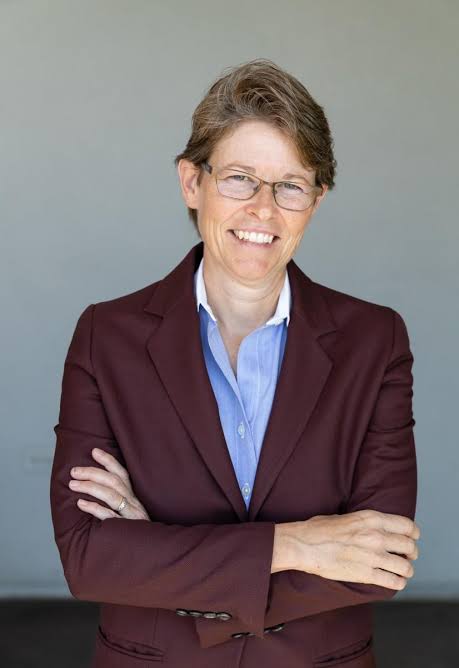 Why a $6 Million Law Firm Was Worth Less Than $500K
What is your law firm actually worth? And would someone want to buy it? In this episode of the Maximum Lawyer Podcast, Tyson Mutrux sits down with Victoria Collier, founder of Quid Pro Quo, to uncover what really determines a law firm's value. After building a seven-figure estate planning practice and realizing she couldn't simply walk away, Victoria transformed her business into something she could sell. Now she helps other law firm owners navigate valuations, acquisitions, and successful exits.
Is Paying for It)
 You're Avoiding This Decision (And Your Team Is Paying for It)
Every law firm has problems that keep coming back. The question is whether you're willing to deal with them now or whether you'll keep paying for them later. In this episode of Maximum Lawyer, Tyson Mutrux shares a surprisingly powerful leadership lesson that came out of a conversation about conference swag bags: You can choose the pain now or the pain later.

Unlock The Law Firm YouTube Accelerator Playbook
Get the complete, step‑by‑step system we use to turn YouTube into consistent, high‑value clients!
Button: Get Instant Access to the Playbook
Button: Get Instant Access to the Playbook
We only send you awesome stuff =)
Privacy Policy
Privacy Policy
This privacy policy has been compiled to better serve those who are concerned with how their ‘Personally Identifiable Information’ (PII) is being used online. PII, as described in US privacy law and information security, is information that can be used on its own or with other information to identify, contact, or locate a single person, or to identify an individual in context.
Please read our privacy policy carefully to get a clear understanding of how we collect, use, protect or otherwise handle your Personally Identifiable Information in accordance with our website.
What personal information do we collect from the people that visit our blog, website or app?
When ordering or registering on our site, as appropriate, you may be asked to enter your name, email address or other details to help you with your experience.
When do we collect information?
We collect information from you when you register on our site, place an order, subscribe to a newsletter, Use Live Chat, Open a Support Ticket or enter information on our site.
How do we use your information?
We may use the information we collect from you when you register, make a purchase, sign up for our newsletter, respond to a survey or marketing communication, surf the website, or use certain other site features in the following ways:
- To personalize your experience and to allow us to deliver the type of content and product offerings in which you are most interested.
- To improve our website in order to better serve you.
- To allow us to better service you in responding to your customer service requests.
- To quickly process your transactions.
- To send periodic emails regarding your order or other products and services.
- To follow up with them after correspondence (live chat, email or phone inquiries)