
Tyson Mutrux sits down with immigration attorney Audra Doyle to discuss what happens when the practice area you've built your law firm around starts changing beneath you. From purchasing her first firm to building an unconventional partnership, Audra shares the decisions that shaped her business and why she's now considering another major shift as immigration law becomes increasingly unpredictable.
Stop Buying Legal Tech. Fix This First.
Subscribe





Watch the YouTube version of this episode HERE
Your law firm might not need another piece of software. It might need to start using the technology it already pays for. Tyson Mutrux sits down with Smart Advocate’s Nataliya Blidy to explore the hidden workflows, disconnected client communications, and incomplete case data that keep firms from operating efficiently. They discuss why treating a case management system like a digital file cabinet creates bigger problems than most owners realize.
From AI-assisted document processing to automated client follow-ups and smoother software rollouts, Nataliya shares practical lessons from working with law firms over the past decade. The conversation is a reminder that better systems are not just about buying the right tools. They are about consistent use, staff training, and solving one operational bottleneck at a time.
What You'll Learn
- Why buying more software may not solve your operational problems
- How missing notes, texts, and calls undermine reporting and AI
- Where AI-assisted document intake can reduce repetitive work
- Why a case management system should do more than store files
- How team adoption makes or breaks software implementation
- Why small, consistent workflow improvements lead to better firm operations
Timestamps
- 00:33 Why firms keep buying tools they barely use
- 02:34 AI-assisted mail scanning and document routing
- 05:41 The hidden cost of incomplete case records
- 09:37 Your case management system is not a file cabinet
- 11:13 AI document extraction and suggested replies
- 23:08 When ordinary automation beats AI
- 25:43 When to replace software and why rollouts fail
- 35:30 Building a more self-sufficient, data-driven firm
🎟️ Get your MaxLawCon tickets: maxlawcon.com
🔍 Vet your vendors: beccaslist.co
Maximum Lawyer helps law firm owners build businesses, not jobs.
Resources:
- Join the Guild Membership
- Subscribe to the Maximum Lawyer Youtube Channel
- Follow us on Instagram
- Join the Facebook Group
- Follow the Facebook Page
- Follow us on LinkedIn
Full Transcript:
[00:33] Tyson Mutrux: Today's guest is Natalyia Blidy from Smart Advocate. Natalyia has spent the last 10 years working in legal tech. And although she, I'm gonna go off my script a little bit, she is classically trained pianist, which is pretty cool. We can get into that too. But she has gotten but a behind the scenes look at how hundreds of law firms actually operate. And she's seen something I think a lot of us are guilty of, and We definitely are. We keep buying more technology while barely scratching the surface of the technology we already have. And she does work for a company that is a very robust system. We'll get to that in a second. But so today we're talking about the bottlenecks hiding inside your firm, the manual processes your team probably doesn't need to be doing anymore, and how to actually use technology to make the business run better instead of just adding another tool to the stack. Smart Advocate is also one of our sponsors at MaxLawCon this year. And you'll get a chance to meet the Smart Advocate team in Atlanta in October. Natalyia, welcome to the show. You and I, we were talking before. We've I don't know if we've first met in 2018, but we last spoke in twenty eighteen, I think. So it's great to see you again.
[01:45] Natalyia Blidy: Great to see you again. We definitely met in twenty eighteen and I think I've we've we've saw seen each other sometime throughout the years. So thank you for having me.
[01:54] Tyson Mutrux: Yeah, absolutely. It's a pleasure having you. And so here's what I'm asking about. This is not even on my list of questions, but for years I've thought about this thing, this feature you all have. And this is we try not to make these shows about the actual service. We would we want to make them interesting, but I find this really interesting. So you had this thing, and I'm I don't know if you still have it, where when you request medical records or something with a barcode, and this has always just stuck with me. I've never I've never understood how you did it. I've never needed seen another service do it. But when the records came back in, the barcode would get scanned and they would go straight into your file. Do you I do you still have that? That was amazing to me.
[02:34] Natalyia Blidy: Thank you, Tyson. Yes, I'm happy to explain. So we still have it, although AI, of course, made some changes and I think some good changes into this whole equation. So the process prior to AI for scanning medical records, not only medical records, any income in mail to busy law firms was a s by using barcode. There's also several other ways, but if you have if you have a lot of mail, right, a batch scan in it using barcode is pretty much a very effective way. So the way it was, it would be a file room clerk, let's say me, opening the mail, identifying what this document is, telling the system, well, this is a medical records from XYZ hospital. Then I put a barcode on on top of that, I don't know, 20 page medical record, and I do the same thing with the next document. So then I will have this stack of documents, I will just feed it in the scanner and I'm done at this point. Right, because what what the barcode will do, it will separate the attachments, it will route the attachments to correct files, it will notify the people, hey, you got medical records to go to the next step, right? So that was the process. Now, with AI, of course, a few steps can be bypassed. So what we've done, we still have the barcode. However The way the way it operates, and actually we're making some changes prior to our new release right now coming up in the next two weeks. So now the firm could have one generic barcode. So now I could be also Natalia, file room clerk. I could have bunch of pre-printed barcode pages, right? It could be it could be generic barcode pages. So now what I need to do is open the document. I don't need to read it because AI is going to read it. And it's AI is kind of a low-hanging fruit. It capable of identifying where this document needs to go, what case does this document belong to? So all I need to do is open the document, put a barcode on top of it, and just do that. So now it's gonna take me a lot less of processing time because now I don't have to read it and analyze it. AI will do that for me. So now I just opened all of this, put the barcode on top of it, scanned it, and result is really the same. there is an approval process. We don't want AI to just blindly do this. We want you to look at this big dashboard and see, well, this looks like a medical record for so and so file. And then you could just batch and prove it. That's quite amazing.
[05:04] Tyson Mutrux: That's awesome. That's really cool. I've for years I've always just thought that was just an amazing thing. I don't and I don't know I don't know any of the others that are doing that. So anyways, I just I wanted to talk about that. But let's talk about so you've been doing this for a while, right? So you've the last 10 years have been kind of crazy in legal tech, and you've you've seen hundreds, if not thousands, of law firms over the years. And I
[05:26] Natalyia Blidy: Get in there.
[05:26] Tyson Mutrux: let's talk a little bit about what you see behind the scenes. And so when you first look at a law firm's systems. Wha what makes you think like you guys are just making this way harder than it needs to be?
[05:41] Natalyia Blidy: wow, that's a that's a very, very good question. very often the operational challenges, right? I'm not a operations person, I'm a legal tech person, but I see the operational challenges as they come about. Very often they come to the surface during the conversion or post conversion. because now you decided to let's say switch the systems. You decided to adapt this awesome new piece of technology. So these old operational bottlenecks or whatever comes to the surface because now you have to figure out how to do things a lot more efficiently. I could probably give you a lot of examples from you know even even clients that don't realize that they're you could adapt your system better or you know, potential clients that do unnecessary steps that just makes the process a lot harder. you know, first of all, not a lot of still a lot of people don't make their case file sort of like a memory for for case file. So then data becomes not reliable. That's everybody knows that, right? If the information doesn't live in a case, you don't know anything about it. How can you do it? How how can you report on that? And that will also come into play when AI will be kind of sitting on top of any systems. Because think of it this way. If you have a case in the system and the attorney were is working on the case, if there are no notes recorded, if there's no phone calls that are recorded in that file. If the attorney is texting from his cell phone and not using the system, if you go into that file, how could you reliably tell when was that communication? What was done on that file, you cannot. And AI is not gonna be able to tell beside, you know, aside from just analyzing the documents that are in the file. So you know, that's what I see. Just a little bit of that. so I would say there are tools in many of the systems. Use them. There's a way to record phone calls, there's a way to drop voicemails, and now with AI they can be transcribed, translated. Make sure that data somehow goes in into the file. Make sure that this is always recorded because that kind of an inc inconsistency leads to you know, a lot of bottlenecks and unreliable reporting and you know that.
[08:19] Tyson Mutrux: Absolutely. So one of the things that one of my biggest pet peeves is one of with one of our attorneys is texting a client from their own cell phone. Like, you can do it from the file. Why are you not doing it? Just drives me crazy because someone will do something on a file and then they'll they'll be, well, why'd you do that? I was I was texting the client. Well, you didn't tell us you're texting about the client. You didn't put it in the file. So why didn't you put it in the file? So it just drives me crazy. So I'm glad you mentioned that.
[08:45] Natalyia Blidy: Absolutely. And my answer to this is if some of my clients call me, sometimes they and then again it goes to education. Some of them don't realize it. I have a mobile app. Use it. You can go and find that file on the mobile app. Make sure find that file and text it from from the app. Don't text it from yourself. It's going to be recorded. Or even automated texting. There's no reason to spend times time to do even like say the for the outreach like that I have to call the client every thirty days. I will do that. However I could set up also a procedure in our system. I know we have automated procedure where there's different triggers that will automatically engage, you know, texting. Hey if the client is treating make sure to send this client a message every thirty days. That should be a standard and it's good it's good for client communication.
[09:37] Tyson Mutrux: You know, something that drives me crazy. I think it drives you crazy too, is where they'll just treat their case management system as like just like a place to store data and documents, like a really pricey file cabinet. d do we does that drive you crazy?
[09:53] Natalyia Blidy: It drives me nuts because it's the worst thing you can do is just to treat your system as a Rolodex. It's sort of like I don't know if this is a good analogy, it just kinda c comes to be it's like I like to cook, so you know, I have a nice kitchen. So you would not get a like a nice custom gourmet kitchen if you're all you're doing is making, I don't know, o eggs and toasts. It defeats the whole purpose. You get a nice kitchen, use it. You make that gourmet meal, you can do it. so it's and it's also a lot of people get complacent. You learn about the tools that you have, right? The systems and AI too. It's not magic. You have to adapt it to the processes, you have to learn, you have to constantly update and the most of our successful clients, they look at the what we have on on the update and they look how that could adapt into their process, how they could make the process better, more automated.
[10:54] Tyson Mutrux: So okay, so I'm pretty familiar with the old smart advocate, the old system. I am very curio you mentioned the thing coming out in two weeks. I'm very very, very you've caught my attention. So I since you said it, I've not been able to get it out of my mind. So I am curious like what what's coming in a couple of weeks, 'cause this is that sounds pretty exciting.
[11:13] Natalyia Blidy: Okay. So this update that we have is I would have to say it's mostly about AI. and AI is just rapidly developing that we are doing what we call a roll in updates. It's as we as we used to do every six months or every year update, it's no longer feasible if you have AI. because there's always some some new things. So some of the features that we are adding are related to processing, you know that processing of the documents. We're also kind of adding a piece that will also process the emails too. That makes it a lot easier for clients, right? So I don't know if you have it, but there's an usually a lot of clients use the Outlook plugin. Well I have the email, I'll tag it back to the file. You can still and you will still be able to do that. However AI can kind of lift On top of that and ape is able to process all of your mail. So what happens as a result? So we add in this component as well. we are also adding several dashboards. So one of the exciting ones is kind of a draft replies. So now since we have all of the incoming texts, we assume we all we have all of the incoming text. So if the client texted you, it goes back into the system. If client email you emailed you it goes back into the system. So now you have this dashboard that automatically puts every income and email and text in order and then you could look through it and it also gives you kind of like this AI response, which is fantastic because then you could obviously this is where I would say you probably want to take a look at some of this AI generated response. I those this is one of those ways you can can you want to review it before you hit send. But however You can do that, you could make any changes, hit reply, you could do it one by one, you could do it in batches. That's really good, just kind of keep you accountable. This is what we have. we also have another really, I think, really cool piece, which is what I call data extraction. So in a database system like ours, you have a lot of documents. Now they're scanned into the system and AI helps process it. What you can do is reduce the data entry. So now these documents are properly labeled because AI labeled it properly. I can go ahead and go into the document tab and extract the data from the documents. So this way I don't have to do manual work. I know because I worked at the law firm and you have to read it read the document, add injuries, add critical deadlines from you know, add any tasks. So what we can do is read the document, right click. Extract data and then AI kinda reads The entity of this document and it suggests what what data can be s added to the case file from this document, which is fantastic because it reduces the whole time that I have to now do data entry. I really like that. templates, a little bit of an admin work. So anybody that created templates, I really like created templates the old-fashioned way. I find it very easy. I know where all of my labels are. That's what one of the things that I did in Smart Advocate when I joined in 2017. So now AI can read the whole library of the merge codes. So what I what I have is, well now I can click open example document. Let's say I have summons, open this example document and let AI run it. It will run it through the whole library of our merge fields and it will replace those fields, let's say incident date, client information, you know, vehicle information with those merge codes. You have to review it. For accuracy, but it's actually pretty good. We tested it. So now that becomes a lot easier. And there's several other things. We of course have advanced AI that we added to the you know, a conversation assistant, what we call I think it's wonderful. it will let you will kind of you can have this conversation assistant, listen to your conversation, and you could turn different modes, for example settlement negotiation or maybe deposition assistance. So if you're sitting in deposition you could turn on the microphone and see the live transcript, have the analysis on the right side telling you highlighting any inconsistencies from the file and you know kind of acting like an assistant. So and there's several other things so I could keep talking about it but I would love for you to you know anyone anybody that wants to take a look at it happy to show. We also have our yearly conference. That's gonna be all a lot about a lot about our release. So we're gonna be talking about that then.
[16:06] Tyson Mutrux: Yeah. And I pulled up the website, smart advocate dot com. It's you explain a lot of the features. I'm curious, are you still going to a lot of conferences?
[16:14] Natalyia Blidy: I am although
[21:26] Tyson Mutrux: Cool. All I'm gonna ask you a question about that. Here we go. here we go. All right, so I want to ask you about the conferences because I know you go to a few conferences each year. And I wonder when it comes to legal tech, what what excites you right now? Because there's a lot going on right now.
[21:44] Natalyia Blidy: changes that are taking place. I am I am really excited about obviously AI because if it's implemented right it's going to help a lot. And I know and I'm not the first person that said it. but implementing well implementing it well it's just going to do it's going to help processing. so again Since twenty eighteen I've been doing the automation, automate, automate a lot of different things. So kind of layering AI is also just the next level of automation. It's not going to it's not going to do everything. There's a lot of people that have this misconception also like that, well a case management system will do everything. But AI is gonna do everything. No, you have to you have to implement it will and it's going to help and it's going to reduce you know a need for a lot of data entry it's going to reduce a lot of bottlenecks in in the firm if implemented well.
[22:44] Tyson Mutrux: So there is a lot of talk of like AI native firms, and I don't I don't think that there are any really doing it well right now. But do you think I mean have you all had internal discussions about making smart advocate built for AI native firms where like the majority, like ninety percent of the work is done by AI? Have you all had those types of conversations?
[23:08] Natalyia Blidy: We do. I don't believe that the industry as a whole is ready for it yet and as of right now not everything should be driven by AI. at this point it's You have to use it and adapt it. Maybe ten years from now it's going to be completely AI driven. We don't know. We don't have a crystal ball. But not everything should be used you know driven by AI. I'll I'll I'll give you examples like just good old workflows. I've had some firms that use and now trying to use AI agents to send things like welcome emails. And I ask myself why? Why AI is expensive? This this kind of a and it's just one little example. There could be a few more. You know, it's a standard welcome letter. It's a standard template. You don't need AI to think of a language, to think of a welcome letter every single time. You can use AI to create this nice template. Yes, you can do that. But that should d these are some of the examples that shouldn't be done by AI, at least at least in this in this point of time. There's examples where AI is very helpful. So I think we'll we will see a lot of that for the next five years. I don't think fully full AI is an option right now. Use what you have and add as as it becomes available. It's probably the best approach.
[24:42] Tyson Mutrux: It reminds me of those memes that you see where like you've someone using AI that's like a massive piece of machinery just to like n like tapping a nail. You know, like it's not necessary for for lot of stuff. I yeah, we're where usually people will automate, you're totally right. People are using AI when it's not even necessary. It's just a waste of credit. So completely, completely agree.
[25:03] Natalyia Blidy: And it's a wasted opportunity to actually use the tools that you already have. And sometimes I look at some some of the operational issues and I'm thinking like, well, if you don't know how to use exactly the tools that you have right now, what makes you think that AI is just gonna make it better? It's not.
[25:23] Tyson Mutrux: Yeah, that's a good point too. I do also wonder how often do you see a customer or a firm where they're buying another piece of software to solve a problem where like their existing whether it's smart advocate or somewhere else, like the their existing software already does it? Like d do you see that a lot?
[25:43] Natalyia Blidy: I see that. I there's there's several wrong reasons to buy a system. And you know, I could think up of a few. but i would say the right reason to buy a system is just to solve s some problems at hand. some issues. Here's my problem, I need to solve it. Is my existing system able to tackle it? Yes, great. It's not. Okay, let's move on. Right. So a good reason would be, of course, if your system is outdated, it cannot do any of the ABCs that you want to achieve. Obviously, it's time for a switch. That's I always say it. but for to have a successful implementation, you have to you have to have the problems to solve. And very often I when I get on that very first call, I can see s the clients, the potential clients that will embrace the change. very well. Over the years it became more apparent because they ask tough questions. They ask they ask for problems to be solved. they don't simply look on just for the functionality. You have to, definitely you have to, but you also have to solve some of the issues that you have. You have to make your process better. And that's probably a good way to for you to change systems. And then remember the changing system is not Also you know, go live is not an end. It's kind of like a midpoint.
[27:18] Tyson Mutrux: Yes.
[27:19] Natalyia Blidy: A lot of times and I and I try my best to prepare the clients. It's go live, it's sort of not like an IT project, right? So it's we do map out the initial conversations and go live. For us, it's the project. For you, project doesn't end there. Well go live starts. It just kind of like a midway point because after Go Live, this is where actually a lot of these things surface. You know, poor adoption b by some team members. You will always have them. So you'll have to figure out who those people are and how to kind of bring them together. actually training it and making sure that everybody's using the data consistently. So you don't end up with this nice piece of software but now again using twenty percent of it then why would swi why wh why would you switch? So that's what I usually see. you know the conversion itself I always tell the clients, believe it or not, you know, when clients would call me would say, Well it's so hard to move the data. Data moving is not hard. It is not hard. I
[28:32] Tyson Mutrux: Some companies make it really hard. I won't mention names, but it would not it
[28:36] Natalyia Blidy: No, we won't.
[28:37] Tyson Mutrux: it's not smart advocate, I will tell you that. But anyways, keep going.
[28:40] Natalyia Blidy: Yes. Yes. So thank you. I didn't want to say that, but yes, moving data is not hard. It's just mapping, it's having the right fields, this is how it goes. And with now with AI it's able to we can do process a lot faster. Believe me, I can move your data a lot faster than you can learn. Here's this new system. I am not recreating my old system. Another big issue. What's next? very not often, but sometimes people will kind of default to their basic settings. Well, we used to do it this way. But why? You are not recreating your old system. Why did you move to this new system? Right? It could be solved. It could be a lot faster. I'll give you a few examples. Like we've had you know And it's maybe maybe very silly example. We had a I had a client called me saying, Well, we need to I need to be able to E facts from the system, I need to be able to print the document. So it they ordinary medical records. And for some reason they need to have an attorney signature on the re record request itself. I don't know why. But okay. Fine, weird, but okay. That's what I said. Okay, fine, if that's your process, you make it ten times more complicated because what happens now is this clerk prints the document, puts it for attorney to sign. Now she has to scan it back, right? And then put it together with plaintiff authorization and fax it. So well we're used to doing it this way, but why are you continuing into a new system this way? And I'm telling telling her, well First of all, there's an attorney merge code signature. It doesn't need to have a wet signature, I'm assuming we are to even begin to have this signature. But generate the document with this signature on it. You can do that. So you don't have to do all this printing, putting it back. It takes a lot of time. And then second of all, why aren't you doing the batch faxing? It save will save you a lot of times. If you if you well my attorney just wants to sell me, tell me verbally or to send me a task. There's a specific way to do this in smart advocates. So I will now go to the attorney. If you request medical record and this through this medical records page, assign it to this person, they'll have it on the to do list specifically. So now I could generate it as a batch record request, attach the authorization, and fax it right from that screen. So I don't have to go one by one and spend an ordinate amount of time. But yet they used to doing it this way. So they're kind of bringing it into a new system. And that's doesn't make me happy when I hear things like that. So
[31:41] Tyson Mutrux: No, not speaking of some things that don't make me happy either and probably don't make you happy is so I've heard this and it's I'm gonna give you all some credit. I don't think I've ever heard a story about this happening to smart advocates, so I'll give you all some credit. But the I here's what I hear. Law firm switches to do case management system. The technology itself seems to work perfectly. It's perfectly capable. but for some reason the rollout fails. like what is it that typically goes wrong in those situations? Cause it's kind of crazy to me, because like a lot of these like I mean, I know all the major systems at this point, and I know that they're all mostly capable, right? So what is it that even though the product is capable, like what is it in the rollout that makes it fail?
[32:29] Natalyia Blidy: Ugh, thank goodness we don't have that.
[32:31] Tyson Mutrux: Ha ha.
[32:34] Natalyia Blidy: I would imagine that it's as you write, it's not a technology. It's and both of the I would identify staff resistance. Because if you have a revolt on your hands that will make the product launch fail. so and that's what I'm that's what I mentioned, you know, data conversion itself is not a not a hard part. It's making sure that whole project kind of fits together and you know what what everybody's doing on day one. That's important. You know, for for let's say Mary who's doing medical records, she doesn't need this huge training. She needs to know I come on Monday, I need to know what what do I do specifically, how how my job is gonna get easier. So I think very often that's where the product would fail, a launch, I mean hi Because of the very poor adaption and not getting your staff ready and not getting them prepared for the changes to come. I would think that's the main reason for that. There's probably a few others. again, if the product is capable and that means the adoption issue that would be.
[33:52] Tyson Mutrux: Yeah. I wonder, do you
[33:52] Natalyia Blidy: The gas in the room.
[33:53] Tyson Mutrux: have an opinion as to who in the firm should own like the implementation of a new software? Do you think that there's one person that's better situated than than others?
[34:04] Natalyia Blidy: Well yes, so if I if I understand you correctly, usually for our project to go live, I usually ask for the firm, depending on their size, to bring in several key people into this implementation phase. If you have several departments, I would say, well I want the somebody from that department to be part of admin training, to be part of the whole rollout, to be part of our meetings that we have, so that they know what is about to come. so on day one, they could be that person that everybody else could go to. Right. So but I would say, you know Going forward, actually, I see a lot of need for even like a technology type of a consultant, like even outside consultant that could help you with the processes, who knows the system. And I've seen some of the firms implement it and even like kind of like a fractional type of a consultant could be helpful for some time post live implementation.
[35:12] Tyson Mutrux: So let me ask you this, because you've worked with hundreds at least of law firms, maybe more than that. And so what have you learned about running a successful law firm that you wish you had known when you first got into legal tech?
[35:30] Natalyia Blidy: Good question. The operations really. I would say for running the law firm, make sure that kind of you always know what what's on your file. So if somebody walks out of the door, there should be no reason for you to lose that file. So for the law firm owner kind of having the from my perspective, from the seat that I'm sitting, having the case management work for you so you are not stuck with everyday decisions that could be delegated or can be automated otherwise will free up your time for actual for actual management. It's kind of you know, yes, so having having smart a smart advocate or another system kind of to be a memory of the whole file so you can run the firm not by your kind of gut feeling, but by the real data and by the real metrics. And how you achieve that, it's really just making little decisions every single day. And I know it could be difficult and it could be a daunting task, especially if you used to do do certain things, and if you used to kind of running things the way you do. But I would say i successful owners always learn something. you know, make a little goal, right? For so from my perspective, learn a little bit. more about the system and go and implement something. Even like s some some identify one little bottleneck and then figure out, okay, this is my system. Can it can it do something to make it better? Or or or or or or make this go away or or you know make this bottleneck go away or or make things run smoother. That's the successful firms. I usually see also owners of successful firms. They Learn a lot about Smart Advocate. They have, you know, they have their own training protocols. They had they actually have had a few firms that have set up their own training manuals, not relying on our training manuals. They actually have somebody new that comes into the firm. There's a blueprint which obviously includes their operations, plus plus how you how you use the system. So obviously to create that you have to have a greater knowledge of what your system does. And that's constant learning. Don't be complacent. Figure out one little thing and it's consistency, right? One little thing at a time. very often I'll get on the call and it's like, I didn't know you guys added it. Well we did and we added it six months ago. Use it. Now go ahead and implement this. So i this always this this this helps and people law firm owners that adapt it Could be a little bit more hands off, so to speak.
[38:29] Tyson Mutrux: right, so Smart Advocate is gonna be with us in Atlanta for Max LawCon this year. And you have probably spoken to thousands of attorneys at these conferences. And so I wonder when you, when you're actually face to face with these law firm owners at these types of events, what kinds of problems are they usually bringing to you that maybe they wouldn't maybe they wouldn't think to ask it like a demo call? Like, but what are like what are they like what are they bringing to you? Like what are the problems that they're bringing to you?
[39:01] Natalyia Blidy: I'm usually I think I got a lot better during demos to try to identify and ask the correct questions. So typically you know at the at the events obviously it's a lot more personal, so usually somebody will share how they use the current system and you know I could tell only tell them how what you've what some of the issues that I could solve, right? Smart Advocate, for example, could s could solve and I could tell them to look into their system and how how to make this a little bit better. not always it's a switch in systems situation. but to kinda give you an example, really it's all the same. It's repetitive. It's I know I'm beating a dead horse. It's r it's having the data in and having the consistent data in. That's all I see all of the time. It's in one way or or shape or form kind of come comes out. so it all boils down to, well, make sure that everybody have this consistent training. I make sure that attorney A and attorney B enter the data or or somehow it gets into the system. well a lot of issues are re regarding intake of course. That's actually interesting topic, right? So you know a lot of people will ask well especially s smaller firms well i you don't treat your intake as a as a salespeople. I was a salesperson even before I s switched to smart advocate. Intake should be sales. It always is it's not just a receptionist that sits there. So very often I will I will hear things like that. Well I have a receptionist that will take the call. Well, why? You know, that kind of stuff. So I'm sure there's a lot of examples like that, but very v everything everything kind of points into inconsistencies and not not entering the data. So then in turn you can't run the reports, you can't you can't use AI effectively because now I have another issue. Somebody's calling me, well I want AI to do You know, medical chronology is demands and this and that. Good. Do you have all the documents in the system? No. I sometimes I don't bring them in. So how do you think AI is gonna do this? You know. So
[41:35] Tyson Mutrux: All right, I've got one more question, but I before I get to that, I just want to remind everyone Smart African will be with us at MaxLawCon on October eighth and ninth at the Omni at the Battery in Atlanta. They're one of our sponsors this year. So if you've got a workflow in your firm that's driving you crazy, make sure you go find them. Natalia might be there, she may not be there, but someone from the team will be there for sure. You can go demo the new product potentially, so that'd be pretty cool. So If you've not gotten your ticket, make sure you go to maxlawcon.com to get your ticket. so my question is this: I have seen many, many, many, many, many, many, many, many people come and go from companies like Smart Advocate, not Smart Advocate itself, but from others. I'm you name the legal tech company, and I've seen many people, I've met them and then they're gone, and I've never seen them again. You have stayed with Smart Advocate. I'm just curious,
[42:28] Natalyia Blidy: Mm-hmm.
[42:29] Tyson Mutrux: what is it about Smart Advocate that has made you stay for so long?
[42:35] Natalyia Blidy: well first we have a very, very good retention policy in Smart Advocate. So it's not only me. There's a lot of people that have a very long tenure in Smart Advocate. I approved like Smart Advocate because it actually kind of corresponds with all the values that I have. We you know, there's no perfect system there, of course, and we could talk about it. we s listen to our clients and I like that. you know we you know we strive to provide a good support. We also will actually listen to client feedback and we will implement that those ideas you know most of them at least I know personally like sometimes the client would tell me why this would be a good idea add add one Two three, like some of the successful firms I know reached out to me. Now they're driving the data. They want to set standards and goal goals for their attorneys. They want to have this kind of a report implemented, right? So we do that. We added it, so now you can go ahead and run this report. So I think that's one of the reasons. it's a great place to be, it's a great place to work. Co-workers, of course, people, people what makes you stay. you know. Nobody will stay at the company if if if you've you're miserable and that there's the you know the good people will make you stay. So that's that and the product, we actually I think we I believe we making a good change. We are implementing the changes that clients are requesting. And it's very exciting because i there's always this forward momentum. I'm super excited about this new release and I'm genuinely am if the client calls me, I'm excited to tell them about it and I'm excited to help them. And of course they'll have to do the other due diligence to implement all those wonderful changes on their end. But that's the reason why I stayed and so many people in Smart Advocates stayed. So that also is great advantage because then, you know, over the years you learn a lot about this what we do and you become an expert as opposed to going from one place to another. So you're that's why
[44:59] Tyson Mutrux: Very good. Natalia, thank you so much. For anyone interested in Smart Advocate, go to smart advocate.com or if you want to see them at the conference, check them out at the conference. But Natalia, thank you for doing this. Appreciate it.
[45:10] Natalyia Blidy: Thank you for having me and we're excited to see you at the conference.
Guild Membership
Meet us in Scottsdale, Arizona! The first quarterly mastermind of 2023 has tickets available! Become a member to purchase your ticket.
Join the MembershipFree Access to Stage 1 of Maximum Lawyer in Minimum Time
Sign Up Today!Customer Reviews
4.9 out of 5

Amy McGarry Law Office, PLl, 05/23/2023
Amy McGarry
I listen to every podcast, Saturday morning shows, HotSeats, etc. The information and ideas I learn from
each one. I may only receive a nugget of information, or feel encouraged that I am not the only one
going through something.
Harlow law office ltd, 04/21/2022
Jennifer Harlow
The podcast and fb group has been life altering. I always felt like I would never know enough to hang my
own shingle and employ people, but here I am, killing it. Lots of actionable steps for working on mindset,
business (some I had to go outside of law to learn) and really gathering attorneys who are willing to
share and lift up others, as opposed to tearing other attorneys down. I first heard about the podcast on
Ernie the Attorneys podcast and how they were doing amazing stuff. And they continue to do so. Now if
we could bring back maxlawcon I’d be over the moon.
Phil from AMEC, 04/17/2022
AMEC 2022
My name is Phil and I just met Dr. Renee Darko at AMEC Conference. Her energy was radiant and inviting; similar to how it is on the show. Drs Nii and Renee Darko are doing amazing
Psychcvb account, 03/02/2022
Yo Nii
Love the show especially first generation or first in family physicians!! Stories of the hard work, bus rides to prerequisite classes etc.. Digging out of school debt then making
Join Our Facebook Group
If you want to discuss current events or ask for help from other thought-provoking legal professionals, join our Facebook. Stay tuned for updates.
Become a MemberYou Might Also Like
Area Without Knowing This
 NEVER Build Your Law Firm Around One Practice Area Without Knowing This
Lessons from MaxLawCon 2026
 The Biggest Lessons from MaxLawCon 2026
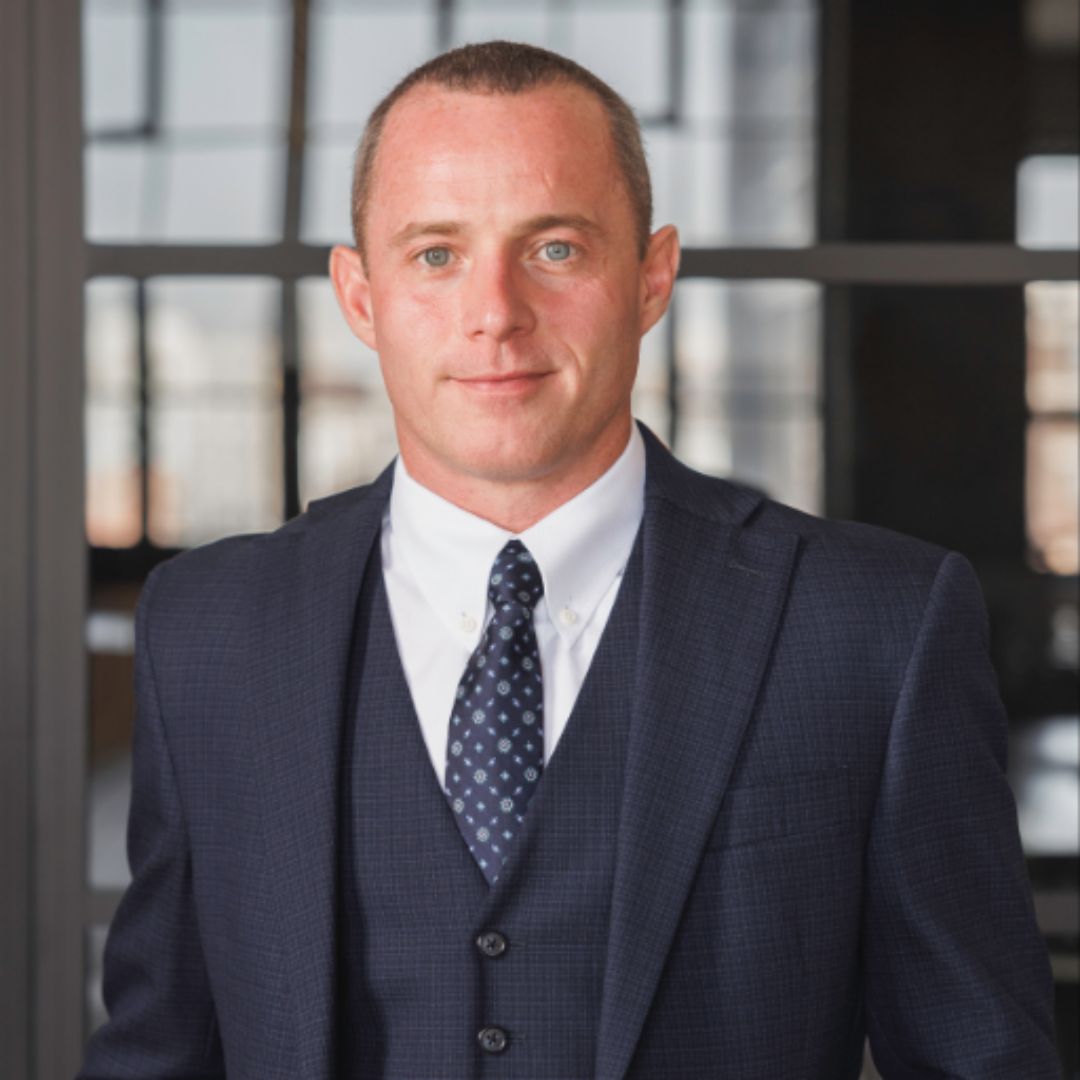
MaxLawCon 2026 might have been the best one yet. Tyson Mutrux is back from Atlanta with the conversations and lessons that made this year’s conference memorable. From Ben Glass explaining why law firms waste money on marketing to Gary Falkowitz challenging how firms handle intake, Tyson shares practical takeaways owners can apply long after the conference ends.
More Than You Think
The Employee You Won't Fire Is Costing You More Than You Think
Tyson Mutrux recently had to fire someone he genuinely liked. In this solo episode of Maximum Lawyer Live, he explains why personal affection and professional fit are two different questions, and why putting off a difficult employment decision can hurt more than the person you are trying to protect. Tyson walks through the internal debate, the questions law firm owners should ask themselves before deciding, and the importance of being direct about expectations long before a termination conversation.

Unlock The Law Firm YouTube Accelerator Playbook
Get the complete, step‑by‑step system we use to turn YouTube into consistent, high‑value clients!
Button: Get Instant Access to the Playbook
Button: Get Instant Access to the Playbook
We only send you awesome stuff =)
Privacy Policy
Privacy Policy
This privacy policy has been compiled to better serve those who are concerned with how their ‘Personally Identifiable Information’ (PII) is being used online. PII, as described in US privacy law and information security, is information that can be used on its own or with other information to identify, contact, or locate a single person, or to identify an individual in context.
Please read our privacy policy carefully to get a clear understanding of how we collect, use, protect or otherwise handle your Personally Identifiable Information in accordance with our website.
What personal information do we collect from the people that visit our blog, website or app?
When ordering or registering on our site, as appropriate, you may be asked to enter your name, email address or other details to help you with your experience.
When do we collect information?
We collect information from you when you register on our site, place an order, subscribe to a newsletter, Use Live Chat, Open a Support Ticket or enter information on our site.
How do we use your information?
We may use the information we collect from you when you register, make a purchase, sign up for our newsletter, respond to a survey or marketing communication, surf the website, or use certain other site features in the following ways:
- To personalize your experience and to allow us to deliver the type of content and product offerings in which you are most interested.
- To improve our website in order to better serve you.
- To allow us to better service you in responding to your customer service requests.
- To quickly process your transactions.
- To send periodic emails regarding your order or other products and services.
- To follow up with them after correspondence (live chat, email or phone inquiries)