

What happens when the pressure of practicing law gets so intense that you crawl under your desk just to get ten minutes of quiet? Tyson Mutrux sits down with Steven Lefkoff, founder of Lefkoff Law, to talk about the moment that changed how Steven thought about work, stress, and running a firm. Steven shares the weekly planning habits that help him manage the chaos, why he prioritizes an in-person team, and how he uses his office as an intentional part of his client experience.
Want More Clients? Master This Skill Most Lawyers Ignore with Steve Fretzin
Subscribe





MaxLawCon ticket on sale here.
Watch the YouTube version of this episode HERE
Are you looking for advice on how to become a better lawyer? In this insightful episode of Maximum Lawyer, Tyson chats with Steve Fretzin about the dual importance of legal expertise and business development for lawyers.
Tyson and Steve discuss the importance of good development in becoming a lawyer, which includes multiple steps. Communication is a huge part of developing into a good lawyer. Though many lawyers tend to be sales people where they sell themselves as the best person for the job to clients, Steve emphasizes the need to get to know the client, what their needs are and how you can help them. Building that relationship ensures the client can trust you as their lawyer and know that you have their best interests in mind.
There are a lot of opportunities for lawyers to take advantage of advancing technology. Whether it’s marketing, intake, writing up reports or conducting research, AI can be a game changer for lawyers. It is also important for AI to be used throughout a firm to ensure everyone is on the same page. Steve proposes firms have technology and AI embedded into policies to make sure employees are all following the same direction.
Listen in to learn more!
Episode Highlights:
- 01:23 Lawyers as Service Providers
- 09:02 Concerns About Subscription Models
- 11:58 AI Implementation in Law Firms
- 20:20 Mindset on Business Development
- 22:24 Partnership Dynamics
- 27:33 Survival Strategies in Tough Times
- 31:08 Accessing Resources and Networking
Connect with Steve:
Resources:
- Join the Guild Membership
- Subscribe to the Maximum Lawyer YouTube Channel
- Follow us on Instagram
- Join the Facebook Group
- Follow the Facebook Page
- Follow us on LinkedIn
Transcripts: Want More Clients? Master This Skill Most Lawyers Ignore with Steve Fretzin
Tyson Mutrux 00:00:02 This is maximum lawyer with your host, Tyson Matrix.
Tyson Mutrux 00:00:11 Steve, you've said that business development is the second most important thing a lawyer can do. And what's really interesting to me is anytime I talk to law students, I always talk to them about the number one thing is to bring in clients because nothing else matters, because you can't do anything else unless you have clients. So I found this one really interesting and I so that's why I wanted to start with this. What do you think? The first what is the first? What's the most important thing to you and why is it that you rank them in that order? I think I was giving lawyers.
Steve Fretzin 00:00:43 A little bit of a break by, by not saying business development was number one because because so many of them don't do it. What I typically say is that you need to be a great lawyer, like you can bring in business and then just destroy your reputation within months or weeks. If you're not able to do the work that you're bringing in.
Steve Fretzin 00:01:00 So I get that. When you're a new lawyer and you don't know anything other than what you learn in law school, that you've got to take it slow. But hopefully you have mentors. Hopefully you have, you know, you take your time with with a particular case or matter and work through it and know that it's going to come out well, but ultimately be a great lawyer, number one. And then number two is you got to develop your own clients. Otherwise, you know, there's no there's nothing to be great about.
Tyson Mutrux 00:01:23 Yeah. It it's not that I would even say I've got a disagreement with it. I think it's just kind of an interesting thing is our perspectives as like the approaches we've taken on it. I because I can't, I can't disagree with the fact that you've got to be a, you've got to be a great lawyer. That is something that I've been focusing a little bit more on. Talking about with people is like you, the business side is extremely important, but actually you can't go to you name the business, you can't go to a mechanic.
Tyson Mutrux 00:01:51 My dad's a mechanic, so I'll use that one. Right? If my dad is a does a terrible job, right, people are going to stop going to him. That's just part of it. Same thing. And it's not just that with mechanics especially, you've got to do a great job and you've got to take care of them and they've got to know that you care. Otherwise they're just going to go to one of the other dozens of mechanics that are in your town. Same thing with lawyers. Like you just you have to do you have to do not just a good job like you have to leave them feeling like they that you did a great job. And so part of that is explaining to them, hey, here are the things we're doing. So I guess what are some ways that that you think attorneys can demonstrate value?
Steve Fretzin 00:02:35 Well, here's an interesting twist. And one of the reasons I say you need to be a great lawyer, because lawyers are notorious for doing pitches and going on pitch meetings.
Steve Fretzin 00:02:45 And the terminology right there is insinuating selling, convincing, free consulting like it's all there on the table. And we're building value and all that through what we say, and I'm completely opposed to that. I go the other direction. My program is in my first book. Is sales free selling? What does that mean? It means that we're going to walk a buyer through a buying decision to ensure that it's a fit and it's a win win, and everybody's coming out happy at the end of it. And that doesn't happen when you're just walking through a meeting and solving people's problems very early. I went to a doctor recently. I had some some just some blockage in my nose. The guy didn't just say, hear you got clogged in your nose. Here. Take this. He he spent a good ten minutes asking me questions. Do I have this? Do I have that? And and all that diagnosis was critical to his being able to prescribe the right. And by the way, I've been on this medicine for like four days and I feel a thousand times better.
Steve Fretzin 00:03:45 So I think what we need to do is we need to, to help lawyers figure out that the traditional model of selling and the traditional model of what they're being told or shown, or what they believe needs to be done is to sell. So. So where does that relate to what your question was, is we we can demonstrate and drive up belief and trust and all the things that help us work with people better through the great questions we ask, the bedside manner and the trust that's developed versus the sizzle of the steak and the pitch and the convincing and the talking.
Tyson Mutrux 00:04:12 Yeah. That's interesting. I whenever I did criminal defense, it was always kind of like, what can you do for me? Like, you know, what do you what do you think I'm going to get here? Can you, do you think you can get the charges dismissed or now it's what's the case worth like that is that is the number one question we get probably is, you know, what do you think the case is worth? And I always tell them I don't answer that question at this stage.
Tyson Mutrux 00:04:35 If I if I answer that question, I'd be lying to you. I wonder what your advice would be to lawyers with what you were just talking about. What's the best way do you think to instead of answering that question, walking them through the process?
Steve Fretzin 00:04:49 Yeah, that's a great question. And one of the things I teach my clients is we have to diagnose before we prescribe. And when someone comes in and they want rates and someone wants information and free consulting up front, we need to have a really solid method of how we don't reject them, but how we accept them and and help guide them to win. The more appropriate time to have that conversation would be. And I'll give you 2 or 3 examples of that. I call it agree and redirect. And it sounds something like this. You know, that's a great question, Tyson. Everyone I talked to wants to know, you know, what they're going to get or what the rates are or whatever the issue is that you're asking about. unfortunately, you're on step ten and I'm only on step two from a standpoint of really understanding what your needs are and what your what your what, what's going to help me answer that question? So if you're okay, if I can just ask you a few more questions, I promise you we'll get to your question about my rates at the end of the meeting.
Steve Fretzin 00:05:43 Would that be okay for you? And you get the person to nod and agree? So it's not we're not dismissing them. We're saying that's a brilliant question. I get that all the time. This is when it's better to to talk about it. And I've got one more good one I think you're going to love. Okay. You're right.
Tyson Mutrux 00:05:58 I love it. I can't wait to hear it. Yeah. Let's hear it.
Steve Fretzin 00:06:00 All right. Here. This is a good one. So you asked me about, like, what my rates are, and I've got all these different ideas about what they should be based on the case. And I would say something like, you know, that is a fantastic question. I know we got to talk about budget and rates and all that. Unfortunately, right now it's like asking me, you know, what is a bag of groceries cost? You know, I have no idea what's in the bag. So if you're all right with it, let's just let's just take a few more minutes to ask.
Steve Fretzin 00:06:23 Allow me to ask a few more questions. And I promise you, you know, we'll get to that. You know, before we leave the meeting today. Is that something that that would work for you? And I'm nodding and you're nodding and and that's we're taking back control of of something. Because if I answer the questions and I tell you, you know, that's a great question, I charge about $1 million an hour. What's that person going to be thinking about for the next, you know, 20 minutes? We're in the meeting $1 million an hour, $1 million an hour. They're not going to be in the meeting with you. All they're going to be doing is thinking, how do I get out of here? I don't have $1 million an hour for this guy. Right? So we need to have a good way of of securing trust, not rejecting someone's idea, agreeing with them, and then redirecting them to what makes more sense.
Tyson Mutrux 00:07:01 It's kind of whenever I'm thinking of in a mediation and it's not going well, I don't think we're going to settle.
Tyson Mutrux 00:07:06 I'm thinking like, okay, all right, every, every hours of $400 for this mediator. What what what what's this bill going to be? Yeah. Because like, this is for nothing. We're we're just spending money for zero reason here. I kind of get that feeling. Yeah. You know, I've got a this is out of left field with this. Do you have any opinions on flat rate versus hourly billing versus subscription models? I wonder what your thoughts are on all those.
Steve Fretzin 00:07:32 Yeah, that's a great question as well I, I'm still finding that most lawyers and their clients are still accepting of the, the billable hour. Right. That that's still sort of the norm of things however we are potentially in going into a very interesting economic time and climate. I know M&A and some other areas are really slowing down. People are going to be tightening up their belts and coming up with some subscription or flat rates or ways of doing things that are more modern. That's the future of law. I don't know that people are going to continue the billable hour when we have AI resolving, you know, ten out of 12 hours of a potential matter.
Steve Fretzin 00:08:12 So we're going to have to come up with different ways. And so I'm I'm a big fan. A friend of mine you may know is is Matthew Kirby's the subscription attorney. And right. So like he's charging a flat fee for monthly use of, you know, having a lawyer. And then there's extras that flat fees that go on top of it. And, you know, if you get 100, 200 or 300 clients under that model, you're going to be doing all right. So I think I think lawyers start to need to need to continue thinking creatively about how they're delivering their services and what model is going to resonate best with clients in, in different economic times.
Tyson Mutrux 00:08:45 Yeah. I mean, cash flow is always important, but I think it's especially important for subscription based models because you have to factor in that. Hey, like at some point we're gonna have to do the work. And my worry for some, some people that are doing subscription is that they don't they just factor in, okay, what's what are we going to get per month.
Tyson Mutrux 00:09:02 And then they're not factoring in, we might get hit one month where everybody is wanting some work done. And you know we're so we're going to get hit if we don't have that money in the tank to pay our employees, that that could be a big hit. So that's a it's an interesting problem. Are you worried at all about I.
Steve Fretzin 00:09:20 I wouldn't say I'm worried about I mean other than, you know, like the grid shutting down or, you know, I hitting a button that sends off nuclear weapons. If we take it down a notch from that.
Tyson Mutrux 00:09:30 Yes. Please do. Let's not go into that.
Steve Fretzin 00:09:34 Okay. I'll keep I'll keep it. I'll keep it clean here. I think what we're talking about here is an opportunity. You know, before there were tractors, there were horses in the fields plowing. Right. So we have to continue to evolve with the technology that's in front of us. And my new book, Be That Lawyer 101 Top Rainmaker Secrets to Growing a Successful Law Practice, was my ability to leverage my interviews from my podcast through an editor I and my own my own writing to take them, truncate them down, and to actually put together a book of of what 101 rainmakers would tell you their best secrets and tips are.
Steve Fretzin 00:10:12 And for me to to take that book and write that from listening to the podcast over and over again and writing that book, it probably would have taken me a year. I think we wrote this book in about three months. So, you know, I, I think is, is, you know, it's something that's going to make legal and all professions more efficient if you know how to use it. I think that the key takeaway for lawyers right now is, like I would say, about business development and a lot of other things, you're either a student of the game or you're left behind. Where do you want to be if you're not doing business development and marketing and social media, you're being left behind. And for me, if I don't get involved in AI early and start not only using it but teaching it, then I'm being left behind as a coach and I'm being left behind. And how I develop better marketing, better video, better transcripts, better, you know, foreign languages, anything that I can use it for.
Steve Fretzin 00:11:01 So I want to I always try to emulate what I do for my clients. And I think we've got to we've got to step into AI and not be afraid of it. But but leverage it.
Tyson Mutrux 00:11:11 I agree with that. I do sometimes worry about us. Maybe that we have rose colored glasses on and we're we're not looking at the realities that are potentially coming. So I do I do try to level my, my thinking when it comes to things like that. Because you're totally right. I, I completely view it as a tool. Something we did a couple of weeks ago is we kind of noticed that the the AI was being used at the top at the firm, but not necessarily at the bottom, but there were like a few people with like within in the middle were, we're using it. And we we wanted to do a training on it and it was really eye opening. So we did a training for the entire firm and everyone was like, wow. They were just completely wowed by it.
Tyson Mutrux 00:11:50 I just wonder if you have any guidance on how firms could implement it more throughout the firm, as opposed to just top down?
Steve Fretzin 00:11:58 Well, you know, that's a great question. I think there's still a lot of of questions and ambiguity about how that should happen. And I'm not really in the if I'm being honest, I'm not really in the law firm space. I'm really working with individual attorneys. So it's a little more challenging for me to ask that question. But I, I would imagine that the people, the people that work at the firms, the lawyers that work at the firms, the paralegals need to get direction from the top down, because if they just start using it on their own and doing whatever they want, and it ends up being a problem for the firm, they could get themselves in a pickle. So I think firms need to have policies on I use, and if they don't, they're just burying their heads in the sand. I think that could lead to some problems. And then but but I do like the idea of lawyers leaning in to create content to do better social media posts.
Steve Fretzin 00:12:43 And I'm following more lawyers now than ever that are writing really intelligent and and interesting posts on LinkedIn. And I know a lot of it's AI generated. That doesn't mean it is an interesting. Sure, right. I mean, it's just it's sometimes better written than they would do on their own. So I think I think, you know, there's got to be a connection between the, the firm ownership and, and the minions underneath that are going to get it done. But but without having a policy, I think it's still it's like the Wild West.
Tyson Mutrux 00:13:09 I will say this I am a little concerned about. I agree with you. The content is actually better than what the person probably would have written. But I do think that there's a disconnect between that person who may be one way, and then the writing is a different way where there's there's almost like a branding disconnect where, okay, you're, you're you're communicating in a certain way in writing. I then meet you in person and I have a it's like a the record scratches.
Tyson Mutrux 00:13:36 You know, we're like. Wait, wait, wait, hold on a second. This is not consistent. Do you have any? And I guess the other thing is like I'm there's now so much content. It is it has exploded since I has hit a few years ago now. And there's that too. Or it's almost like it's just so much more noise, you know? And I guess it makes it so much more important to make sure you are different. Your voice is a little bit different. So do you have any advice for lawyers on cutting through all the noise and getting their names out there so that they are their marketing efforts are not wasted?
Steve Fretzin 00:14:12 Well, I think I think if we're looking at it, people just like I was talking to a client the other day and he's like, I'm posting all the time on LinkedIn. Look, I got super Lawyer and I got this, you know, award, and I got that award and I go, you know, that's 20% like, that's 20% of what you should be posting on social media with your content.
Steve Fretzin 00:14:29 80% needs to be informative, educational, interesting, authentic. I will do a post about fishing with my son, which is not for LinkedIn, right? Other than I then compare LinkedIn, I mean, I compare fishing to business development for lawyers. You know, you got to have the right lures, you got to find the right spots. You got to do all that. You know, I'll relate it to an article from above the law that I've written. I'm going to make it work within the particular social media channel that I'm I'm posting. But authentic, real information education, showing your knowledge on things that other people don't know enough about. My friend, the one I was just talking about, who's in the M&A space. He knows what's going on in the economy better than anyone, and how it's affecting business and how it's affecting deals and tariffs and how all that works, he says. I'm not going to get political, but I need to write and share my views and my knowledge because I'm ahead of everybody else.
Steve Fretzin 00:15:24 This is, you know, again. And he is he's he's on the he's on the forefront of it. And I think that's what cuts through some of the clutter that we're seeing on LinkedIn is how can you be authentic and how can you put something forward that's interesting to people when there's just a lot of mess out there?
Tyson Mutrux 00:15:38 I think maybe the the best way I've seen it said is there's man I wish I could remember. Russell Brunson had this event a couple years ago. It was a virtual event, and one of the speakers, she was talking about the different legs of her platform, her online platform. And like one of them was family and the other one was her business and yada yada yada. I thought it was a really interesting way. So like, if I just kind of make it up like, like with with mine, maybe mine is, you know, you've got, you know, family, you've got the podcast, you got the law firm. I like Jiu-Jitsu, so it's like jiu jitsu.
Tyson Mutrux 00:16:08 And then I know that you were in that plane crash, which I'm going to ask you about in a little bit. But you were then you maybe me as a pilot. So like, those are like the five things that I maybe will post about, but the, the, the majority of it needs to be, you know, adding that value. And you can kind of tie it back to the firm for like, for example, like let's say that I wanted to just post about like injury related stuff. But I'm flying an airplane and I'm going through my checklist. Maybe I post something about a check. My checklist. Yeah. Now how important checklists are in the law firm too. So you can still even though it's about flying it's it's now back to practicing personal injury. You know so there's I think that that is the way she had put it really changed the way I view things on social media.
Steve Fretzin 00:16:53 Yeah, I think people are interested in what's real. And there's a lot of fake things out there.
Steve Fretzin 00:16:58 So we need we need to to really demonstrate. But but to your point, you know, if I'm on Facebook and I know that that's just a lot of my friends and family and other folks, I don't need to promote my business there. I don't need to relate it back to my business and how I help lawyers. I can just share, you know, the big fish I caught with my son and know that they're going to appreciate seeing that. Or, you know, the paddle championship I won here in Chicago, which I did, which I'm very proud of. Nobody cares about that on LinkedIn unless I can relate it back to something business. Because again, we don't want to make LinkedIn into Facebook. We want to keep it business related. We want to keep it as pure as possible so that the people aren't going to get turned off by it. But that's that's where you got to really look at not only content creation, but how you're changing the content creation for the different in various channels that you may be putting things out on.
Tyson Mutrux 00:17:49 I want to I want to shift gears to the plane crash, because I kind of laid that teaser and I want to get to it. How do you think that that's changed your perspective on life?
Steve Fretzin 00:17:58 Well, I just had a friend of mine who had a globe. He was a friend and a client had a glioblastoma brain. Bad, bad. The worst brain cancer you can get. And he just passed away last week. He's 53 years.
Tyson Mutrux 00:18:09 Old. Sorry to hear that. That's terrible.
Steve Fretzin 00:18:11 I was in a plane crash when I was 26. You cannot take for granted the one shot you have at this thing called life. And if you're just sitting suffering in silence with your job, your career, your, you know, a bad marriage, whatever it is, either fix it or get out. You got to take action. And I think my perspective is every day is a gift. And I don't know if I'm going to just be driving down the road. Someone's going to be texting and driving and swerve right into me and that's it.
Steve Fretzin 00:18:39 I'm done. And I'm going to make the most out of this, and it's going to be done through how I take care of my friends and family. It's going to be done by how many lawyers I help, not just my clients, but I want to help the industry. I want to leave the industry. And part of it's a legacy to my late, the late, great Larry Fritz and my my lawyer father that I'm going to leave a legacy of business development, marketing, mental wellness, time management for lawyers, for, you know, the next 100 years if possible. So I think it just changes you. I hope you don't have to go through a near-death experience to appreciate and take seriously the limited time we have here. That's really my biggest takeaway.
Tyson Mutrux 00:19:16 Yeah, I think that I think that's good advice and checklists. Yeah.
Steve Fretzin 00:19:22 Having a checklist on a plane is a good idea. In fact, I'm going fishing up in Canada with my son this summer. And don't think for a second I'm not going to tap the pilot on the shoulder and go full tank of gas, right?
Tyson Mutrux 00:19:32 That's right.
Tyson Mutrux 00:19:33 Exactly right. Absolutely. It's funny. I have problems flying with other people and not on like, a commercial airplane. But like, if I'm, like, in a little plane, I really have problems flying with other people because, like, I'm. I don't have control of the airplane, and I'm just like, I'm watching every little bitty thing that they do. And I'm like, okay, give it a little bit right rudder, or maybe that's a little bit too much right rudder. So it's time to flare. Now you're like, you're there's lots of things that are like.
Steve Fretzin 00:19:59 Too many cooks in.
Tyson Mutrux 00:20:00 The kitchen. It's exactly right. So I just had to I forced myself to keep my mouth shut. But you had before you, you had dropped the line being a student of the game, which I do think it's a really I think you do when you're talking about being a student of the game when it comes to business development. What do you think is the biggest mental block lawyers have about business development?
Steve Fretzin 00:20:20 I mean, if I've heard we never learned this in law school, another time I'm going to have, you know.
Steve Fretzin 00:20:25 You know, a million. A million plus, you know. Listens to that. So I think it's it's the idea that that, you know, sales is not what, what was signed up for that wasn't on the bill of sale when I got when you got your law degree, the idea that you have to lower yourself to, you know, being a salesman out, you know, pushing your wares is very tough for lawyers to swallow. It's a tough pill to swallow. And so I'm working on mindset all the time. Tyson, because what lawyers don't realize is that lawyers jobs are to solve problems. And what they're not understanding is that is exactly what sales is. And I know we don't want to call it sales because it's scary. Business development, fine marketing, probably not the right term for it, but it is all about solving problems. So earlier when I mentioned about walking a buyer through a buying decision, the goal is how can we help somebody solve a problem and are we the best to do it? If I need to, you know, if I need to have something skin something removed off my skin, I want a good dermatologist.
Steve Fretzin 00:21:23 Right. I want someone that's recommended that I know it's going to take care of it. It's not going to come back or whatever. So we need to be, you know, in a position to, to, to get rid of the idea that, hey, I'm out selling and really think about more about I'm out helping and solving and trying to really, you know, build my practice. Yes. But also think about how many more people I can help that aren't going to have to deal with a bad lawyer or deal with someone that isn't going to be as responsive or as good as I am. You know, that's why we need to have both parts student of the game and great lawyer together.
Tyson Mutrux 00:21:54 Yeah. Do you think it's necessary to have to have a successful firm? And I guess maybe not necessary. I'm not gonna use the word necessary because I think the answer that's probably going to be no. But do you think it's it's highly important that someone that starts a firm, that you have one person that's a really good technician, that someone that's really good at the craft and that someone that's really good at running the business so that they're not the same person.
Tyson Mutrux 00:22:18 Do you think that it's important to have two different people, or do you think one person can do it extremely well?
Steve Fretzin 00:22:24 Well, I'll start off by saying, I don't know if you've heard what they say about partnerships, but no ship sinks quite like a partnership.
Tyson Mutrux 00:22:30 So I've not heard that. But I can say that that's. I've heard lots of horror stories for sure.
Steve Fretzin 00:22:35 Right. So if you're going to bring if you want to do everything yourself, there's a way to do it right for you to run the show and then to bring in the support cast, whether that's actual employees or or now there's a lot of Vas, and there's also a lot of of interim CFOs and people that can help you with your finances or operations or recruiting or whatever it might be. But if you want to really grow and scale out the idea that you're going to that you're the rainmaker, you're the visionary, that you're going to bring in someone just like you to partner because, hey, two rainmakers together better than one.
Steve Fretzin 00:23:08 It mostly it doesn't work out because that you need to have multiple skill sets to grow a business. You need someone that is great with people and organization and operations and can really manage the day to day. That allows the rainmaker and the visionary to go out and be visionary and go out and and build business. And so most, most of the successful growth oriented partnerships that I've seen have been where two people do very different things but work really well together. They keep each other in check.
Tyson Mutrux 00:23:38 Yeah, I would I would agree with that. I do think it's possible. I just think it can be challenging. It can be really challenging.
Steve Fretzin 00:23:43 It's oh yeah, anything's possible. I'm just I'm saying like if we look, if we were to look at 100 case studies of two big shot rainmakers with big egos working together, or someone that is the ego rainmaker and someone who's, you know, got got, you know, the organization down and can really manage, you know, the people, you know, that's not a bad recipe right there.
Tyson Mutrux 00:24:04 Yeah. For sure. Something that we see quite often is that you can kind of give people the recipe, like here's how you do it. And but they just they lack that motivation. So for lawyers that struggle with maintaining motivation. What advice do you have to help them cultivate discipline and stay on track with their business development goals? Or just maybe their just their development goals in general?
Steve Fretzin 00:24:28 Well, I mean, obviously, you know, working with a coach or a mentor or an advisor that holds you accountable where you know, you've got to perform because, you know, it's like you didn't do the work and now you're showing up for, for, you know, you didn't do the homework and you're showing up for class and you're uneasy because you didn't do what you're supposed to do. There's always that pressure. And I think that's what I do a lot is, is I, I help my clients plan and execute. I track their activity, and they meet with me on a regular basis to review the activity, to try to understand is it enough and how is it tracking to results? What's the ROI? What can we make improvements on? Most lawyers aren't doing that at all.
Steve Fretzin 00:25:02 They're just going meeting to meeting, to meeting, to meeting. And it's like, think about a sports team that just like the bears are always the worst here in Chicago. And it's like they don't watch any game tape because they just keep losing and losing and losing. And they're not really like fixing anything. So that's one element of it. If I had to give advice for lawyers who are struggling with accountability, and they're not going to engage a coach or an adviser, find a friend, someone at your firm, or someone at a different firm that also is interested in business development and create what's called like a buddy system. It's like a workout buddy. But for business development, I have my my groups that I run, and then there's a bunch of other groups that I've helped set up where they're run by my clients, with my other clients. They meet once a week, they get on a call, they say what they're going to do for the next 30 minutes. I'm going to send out this many emails, or I'm going to work on LinkedIn, or I'm going to whatever.
Steve Fretzin 00:25:54 They hit mute. Then they come back 20, 30 minutes later, they unmute and they say what they did. So that makes it very sustainable. When you're just finding that, you know, you're not having the day, the day is having you. Business development always gets pushed down. This is an opportunity for you to show up. Other people are expecting you to perform. And so that that's a backup to to people who really struggle with doing things on their own.
Tyson Mutrux 00:26:16 I like that, I like that idea a lot. It's someone that I've got a coach and I've also got like, you know, trainers, physical trainers, just yeah, like I it's one of those things like I don't like even though I'm paying that person. I guess that's part of it too is like, I don't want to waste money, you know, like so I want to make sure I'm going and showing up. So I think that that's that's really, really important. And you can't you're part of your answer cannot say I okay.
Tyson Mutrux 00:26:38 So that's that's the stipulation for this next question.
Steve Fretzin 00:26:41 That's the rule.
Tyson Mutrux 00:26:42 Okay. Where do you see the biggest opportunities for law firms for them to stand out in the next 3 to 5 years?
Steve Fretzin 00:26:48 I mean, it's it's got to be a combination of marketing and business development and learning and honing skills that put you above the rest of the of the industry. So the way I see it, and I've shared this on multiple podcasts in my own, is you're climbing a mountain and some people are climbing one side. And what I suggest is climbing both sides at the same time, business development on one side, marketing on the other, and a law lawyer or law firm that does this well. At the peak of that mountain where business development and marketing meet. That's where a lot of the business and branding and stuff comes in and in, in economic times, like back in 2008 nine, it was the lawyers that had leaned into marketing and leaned into business development. When things got tough. That made it through better.
Steve Fretzin 00:27:33 And the ones that just were waiting for the phone to ring and waiting for hours to happen, that can't materialize on their own. They were the ones that were that were calling me or or that ended up having to get out of the industry because they just didn't they didn't have the, you know, the the track record and the the ability to to turn it around quickly. So I think that's really, you know, what what needs to happen now and in the future is, you know, again, you're a student of the game, you're playing the game and you're selling at the game like like an athlete, like a top chef means the top chefs aren't always the best chefs. They're the ones who are on YouTube getting millions and millions of followers because they've got they're bringing out their authentic personality as they're cooking something and getting a lot of views and a lot of people watching them, and they can build a more business around that.
Tyson Mutrux 00:28:19 It's a really good point. It is kind of a funny discussion that I have with people.
Tyson Mutrux 00:28:23 Sometimes it's just like, it's like with friends, not necessarily in like the guild or anything, but just how it doesn't matter really who the best lawyer is. It really doesn't. It's it's who's like who people see the most of, like on YouTube or like on TikTok or whatever. It's it's amazing the number. Like I'll kind of chuckle seeing some, you know, certain lawyers that are, you know, on TikTok and thinking like they don't know Jack just by I can tell by what they're saying when it comes to a personal injury case. They don't know Jack. But you know what? The regular public doesn't know that the regular public does not know that they're the ones that are visible in front of them. And that's why it's so important that you've got to be in front of those people, too. And and I do think that if, like the true experts in a field, whatever that field is, whether it's it could be a mechanic, or it could be in family law or personal injury or criminal defense.
Tyson Mutrux 00:29:13 You you go out there and you show your expertise. They're going to be able to differentiate between the two. And if you see one person that's on there talking about 30 different practice areas, but you have one person like that is, you know, Tiffany Weber is a great example out of, south South Carolina. I think South Carolina, I think it's not North Carolina, South Carolina, but she's she is the real estate lawyer. And she that's what she is on YouTube. And like she's known for that. So people that they see that expertise. It's so, so important to be out in front of there. But my last question for you is if listeners were going to take just one small action today to and this is to improve their business development game, what would you tell or where would you tell them to start?
Steve Fretzin 00:29:53 Well, I'd be you know, I'd be remiss if I didn't mention my new book. be that lawyer 101 Top Rainmaker secrets for growing a Successful Law Practice. I mean, think about having 101 top rainmakers on a bus and their only job.
Steve Fretzin 00:30:08 And this drive on this bus is to answer your questions about how they did it. What are their secrets? What are their tips? So whether it's grabbing a copy of that book on Amazon, I'm going to go back to to my earlier statement about become a student of the game. If you want to be a great chef, you don't just sit at home and twiddle your thumbs. You follow the greatest chefs. You emulate them. You. You learn from them. And you, you become a student of how I'm going to work at the best restaurants in town through growing and improving. And lawyers just aren't doing that at the at the level and the numbers that they need to. So I'm going to I'm going to say whether you're buying a book, listening to the Be That Lawyer podcast, Tyson your podcast, Write Maximum Lawyer, get that information in, become that student and start realizing the business of law is the future of law. And as much as I want people to be great lawyers, you're the greatest lawyer that no one knows about, right? It's not.
Steve Fretzin 00:31:01 That's not a great recipe for success.
Tyson Mutrux 00:31:03 I love it, Steve. Tell people how they can get the book and then how they can get in touch with you.
Steve Fretzin 00:31:08 Yeah, you can type my name, Steve. Frets and frets. I n on an Amazon. You can type in B that lawyer you'll get. You'll find my book there. I've got this is not book number five, so I've got a bunch if you want to start at the beginning with sales, free selling, the attorneys networking handbook, all that. I'm all over LinkedIn and I'm always producing great content there. I write for Above the Law and their small firm section and and my website. So very visible. Lots of great content. My goal is not just to work with about 20 lawyers a year. It's really to help the industry become smarter, better at this thing called business development. And thanks, Tyson for having me on the show and I so appreciate you and and the invitation.
Tyson Mutrux 00:31:47 Absolutely. I love talking to you.
Tyson Mutrux 00:31:48 It was great being on your podcast too. So thanks for coming on. I really appreciate.
Speaker 4 00:31:52 It.
Guild Membership
Meet us in Scottsdale, Arizona! The first quarterly mastermind of 2023 has tickets available! Become a member to purchase your ticket.
Join the MembershipFree Access to Stage 1 of Maximum Lawyer in Minimum Time
Sign Up Today!Customer Reviews
4.9 out of 5

Amy McGarry Law Office, PLl, 05/23/2023
Amy McGarry
I listen to every podcast, Saturday morning shows, HotSeats, etc. The information and ideas I learn from
each one. I may only receive a nugget of information, or feel encouraged that I am not the only one
going through something.
Harlow law office ltd, 04/21/2022
Jennifer Harlow
The podcast and fb group has been life altering. I always felt like I would never know enough to hang my
own shingle and employ people, but here I am, killing it. Lots of actionable steps for working on mindset,
business (some I had to go outside of law to learn) and really gathering attorneys who are willing to
share and lift up others, as opposed to tearing other attorneys down. I first heard about the podcast on
Ernie the Attorneys podcast and how they were doing amazing stuff. And they continue to do so. Now if
we could bring back maxlawcon I’d be over the moon.
Phil from AMEC, 04/17/2022
AMEC 2022
My name is Phil and I just met Dr. Renee Darko at AMEC Conference. Her energy was radiant and inviting; similar to how it is on the show. Drs Nii and Renee Darko are doing amazing
Psychcvb account, 03/02/2022
Yo Nii
Love the show especially first generation or first in family physicians!! Stories of the hard work, bus rides to prerequisite classes etc.. Digging out of school debt then making
Join Our Facebook Group
If you want to discuss current events or ask for help from other thought-provoking legal professionals, join our Facebook. Stay tuned for updates.
Become a MemberYou Might Also Like
High-Value Law Firm Referrals
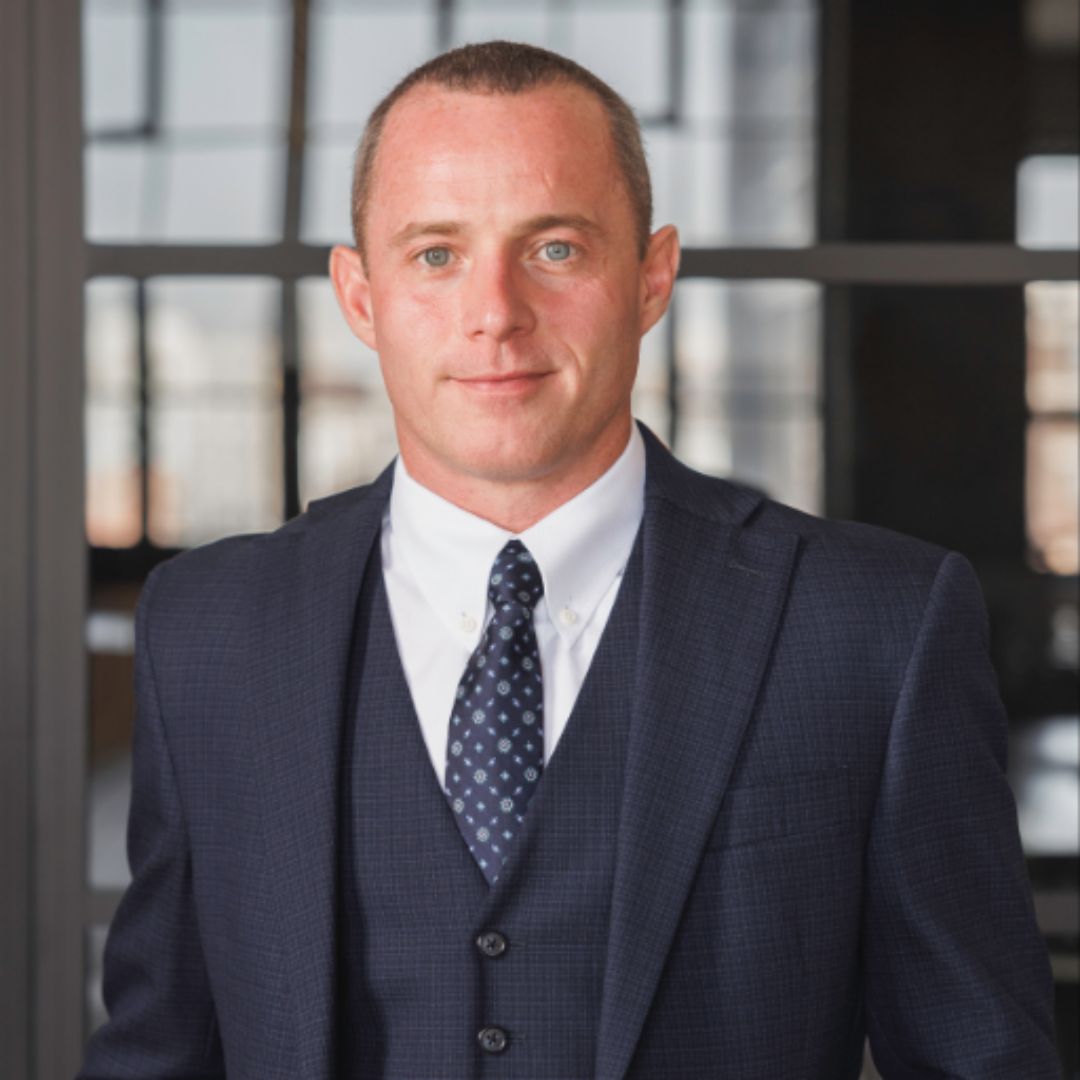 How Everyday Conversations Turn Into High-Value Law Firm Referrals
Could your daily coffee run be one of the most valuable networking opportunities you have? Tyson Mutrux explains why he has stopped looking at his regular coffee purchases only as an expense. By getting to know the people behind the counter, he has built relationships that have led to client referrals. He shares an example of a matter worth about $19,200 in fees and a referral partner whose Chipotle connections helped generate a case that settled for approximately $750,000.
Worth Less Than $500K
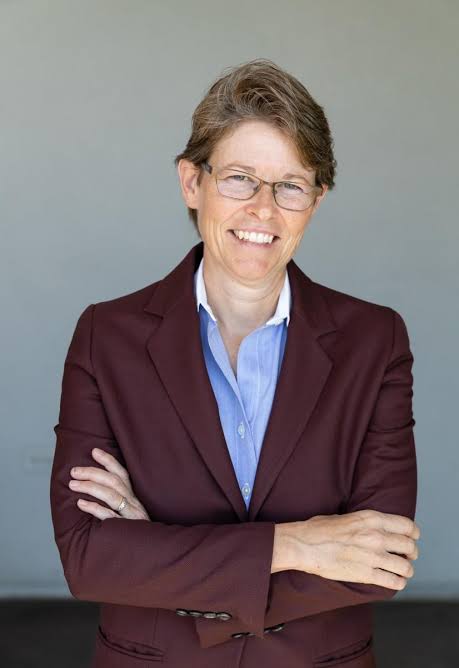 Why a $6 Million Law Firm Was Worth Less Than $500K
What is your law firm actually worth? And would someone want to buy it? In this episode of the Maximum Lawyer Podcast, Tyson Mutrux sits down with Victoria Collier, founder of Quid Pro Quo, to uncover what really determines a law firm's value. After building a seven-figure estate planning practice and realizing she couldn't simply walk away, Victoria transformed her business into something she could sell. Now she helps other law firm owners navigate valuations, acquisitions, and successful exits.

Unlock The Law Firm YouTube Accelerator Playbook
Get the complete, step‑by‑step system we use to turn YouTube into consistent, high‑value clients!
Button: Get Instant Access to the Playbook
Button: Get Instant Access to the Playbook
We only send you awesome stuff =)
Privacy Policy
Privacy Policy
This privacy policy has been compiled to better serve those who are concerned with how their ‘Personally Identifiable Information’ (PII) is being used online. PII, as described in US privacy law and information security, is information that can be used on its own or with other information to identify, contact, or locate a single person, or to identify an individual in context.
Please read our privacy policy carefully to get a clear understanding of how we collect, use, protect or otherwise handle your Personally Identifiable Information in accordance with our website.
What personal information do we collect from the people that visit our blog, website or app?
When ordering or registering on our site, as appropriate, you may be asked to enter your name, email address or other details to help you with your experience.
When do we collect information?
We collect information from you when you register on our site, place an order, subscribe to a newsletter, Use Live Chat, Open a Support Ticket or enter information on our site.
How do we use your information?
We may use the information we collect from you when you register, make a purchase, sign up for our newsletter, respond to a survey or marketing communication, surf the website, or use certain other site features in the following ways:
- To personalize your experience and to allow us to deliver the type of content and product offerings in which you are most interested.
- To improve our website in order to better serve you.
- To allow us to better service you in responding to your customer service requests.
- To quickly process your transactions.
- To send periodic emails regarding your order or other products and services.
- To follow up with them after correspondence (live chat, email or phone inquiries)